You run a place that serves people. Food is your love language, and every plate tells a story. But bugs and other pests can quickly change that. One cockroach near the pass. A rat near dry goods. A fly around pastry. Guests notice. Reviews drop. Staff morale takes a hit. That is why many operators ask whether it is smarter to choose a pest control contract or call for a one-time service when problems arise.
Why a Pest Control Contract Feels Like Kitchen Insurance
Think of a contract like steady, preventive care for your entire operation. You are not waiting for a crisis. You are staying ahead of it. With scheduled inspections and routine treatments, trained specialists keep an eye on your high-risk zones: hot lines, prep benches, dish areas, waste points, storage, and loading bays.
You also gain something many teams overlook until it is too late: continuity. A contract records where activity pops up, which baits work best, how waste flows, and what housekeeping tweaks reduce risks. Over time, that knowledge builds up. Your facility becomes easier to protect because the system learns your layout, your peaks, and your habits.
There is another relief a contract delivers. When something spikes between visits, you are not scrambling for help. You call, and support is already part of the plan. That means less downtime, fewer stressed staff meetings, and a faster path back to normal service. For busy kitchens, that safety net alone is worth a lot.
Some providers even design scheduled pest inspection plans tailored for food businesses, making sure every corner gets consistent attention without disrupting service hours.
The Hidden Cost Of One-Time Fixes
Just what it sounds like: a one-time service. You have a visible problem, and you want it gone immediately. It is simple, fast, and it can be cheaper on the day you book it. If you are a small café with a light ant trail near the front-of-house, a single visit might be enough to reset the space.
Here is the part that stings. Kitchens breathe. They heat up. They cool down. Deliveries roll in. Bins fill. Doors open and close all day. A one-time service does not change that rhythm. It treats today, then leaves tomorrow to you. If conditions still invite pests, they return. And when they do, you book again. The bill that looked friendly up front can creep over the year, especially if you are running a large back-of-house with heavy throughput and complex storage.
There is also the mental load. Without scheduled checks, your team becomes the lookout. They are busy plating, expediting, and handling guests. Spotting early signals of activity is hard when the rush hits. By the time someone raises a hand, the fix may be bigger than it needed to be.
Compliance Isn’t Optional. Documentation Protects You When It Counts.
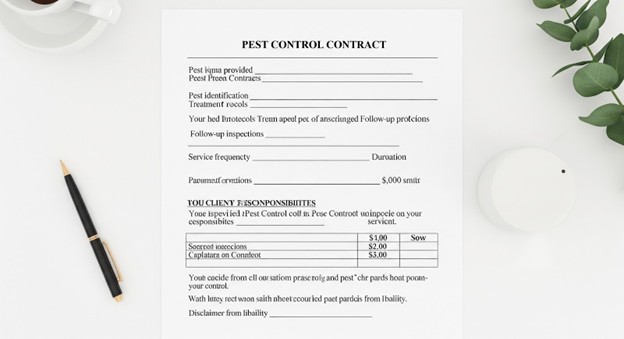
A contract turns each visit into a paper trail that actually helps you. Service reports log what was found, what was treated, and what is changing over time. Site maps show device locations. Put it all together and you can show an inspector that you are not reacting to problems. You are running a system.
A one-time service can still generate a report, but it documents a single day. Months later, if an audit lands on your desk, you may not have evidence of ongoing control. For many operators, that gap becomes the difference between a smooth inspection and a follow-up visit that eats time, energy, and focus right when you need to be serving guests.
Some regulators also expect to see practices aligned with integrated pest management solutions, which combine prevention, monitoring, and safe treatment methods rather than only reactive spraying. Contracts make it easier to demonstrate that you are following that standard.
Reputation And Revenue: One Sighting Can Echo For Weeks
Picture this. Saturday dinner. The room is full. A guest films a cockroach scurrying under a banquette. The clip hits social media. You feel it the next day in reservations, the next week in walk-ins, and the next month in event inquiries. It hurts. Staff feel it too.
Here is the upside. Contracts shrink the odds of that moment. Regular monitoring catches the tiny signs most eyes miss. Entry points get sealed. Baits get refreshed. Traps get moved to smarter spots. Sanitation gaps get flagged in time for your team to adjust. You still run a busy kitchen, but the risk of a public sighting drops because the quiet work is happening behind the scenes, every month.
If a one-time service clears an urgent issue after guests have already seen it, the immediate threat might be gone, but the reputation bruise lingers. It takes marketing, service excellence, and consistency to win people back. Prevention costs money. Rebuilding trust can cost more, and it takes longer.
When Staff Can’t Keep Up, Contracts Keep You Covered
Your team cares. They want a spotless kitchen and happy guests. They also juggle prep lists, holding times, allergies, and special requests while staying upbeat in the heat. Expecting them to catch every early sign of pest activity is a tall order.
A contract brings in specialists who love the details others miss. They notice gnaw marks near baseboards. They track tiny droppings behind compressors. They see the small gaps around pipe penetrations that look harmless but act like doorways. They document. They teach. They help your crew adopt small habits that make a big difference, like where to store dry goods off the floor or how to rotate bins so the oldest waste leaves first. Your kitchen gets tighter without your managers carrying the whole weight.
This level of professional oversight goes far beyond what you would find in a residential pest control agreement, because the stakes in food service are higher and the environments more complex.
Which Works Best for Your Type of F&B Establishment?
The type of establishment often shapes which approach works best. Restaurants and cafés, with their steady flow of ingredients and guests, benefit from the consistency of contracts. Hotels and caterers, where large kitchens and multiple service points increase risks, also gain more from ongoing protection. For food manufacturers and warehouses, contracts are particularly important because stored product pests can contaminate large volumes of ingredients, leading to major financial loss.
Smaller outlets or new cafés may sometimes find a one-time service sufficient, especially if the issue is minor and isolated. But as businesses expand or deal with higher customer traffic, the need for preventive and documented pest control becomes unavoidable. For many, a termite and rodent control contract eventually becomes part of standard operating procedures because those pests can cause serious damage and compliance headaches if overlooked.
That is why the choice between a one-time treatment and a pest control contract often comes down to scale, risk, and growth ambitions.
The Real Trade-Off: Peace of Mind vs Playing Catch-Up
Pest control contracts provide preventive care, reliable documentation, and peace of mind, but they require higher ongoing investment. One-time services offer immediate relief at a lower cost, but they lack long-term protection and leave businesses exposed to repeated infestations and compliance risks.
For F&B teams, it really comes down to how much risk you are willing to carry, and how much value you place on steady, preventive systems.
Many operators in Singapore even look for commercial pest management services designed specifically for food outlets, because these programs balance budget control with the high standards inspectors expect.
Real-World Scenarios: What Happens When You Choose Wrong
A small bakery notices ants around the pastry case. A one-time treatment removes them, and a few storage tweaks keep the counters clean for months. That is a win.
A growing restaurant group opens its fifth outlet. Turnover rises in stewarding, and garbage areas share a corridor with several units. The first sign of rodent activity shows up on a Sunday pre-service check. With a contract, an emergency callout happens the same day and device placements across all locations are adjusted in one sweep. The brand stays steady and guest feedback stays strong.
A hotel runs back-to-back conferences with banquet service for 600. Nightly waste volume spikes. A contract team spots early activity near compactors mid-week and implements a targeted response before the weekend events. Guests never feel it. Revenue and reviews hold.
These stories are not rare outliers. They reflect how busy F&B environments operate and why prevention aligns so well with the way you work.
Conclusion
You have a lot riding on every service. Food safety, guest trust, and smooth operations are non-negotiable in your world. A pest control contract keeps you out in front, lowers surprises, and proves your standards when inspectors arrive. A one-time service can fix an urgent problem and, in certain setups, that might be all you need.