Physiotherapy is a field of healthcare focused on rehabilitating individuals suffering from injury, illness, or disability through movement, exercise, manual therapy, and various forms of treatment. The demand for physiotherapy equipment has grown in recent years, as more people realize the benefits of non-invasive treatments for pain management, injury recovery, and general wellness. Physiotherapy equipment is vital in clinics, hospitals, and rehabilitation centers worldwide, including in Nigeria, where the demand for high-quality, reliable equipment is on the rise.
Types of Physiotherapy Equipment
Physiotherapy equipment covers a wide range of tools and devices designed to improve mobility, relieve pain, and enhance physical function. Here are some of the main categories:
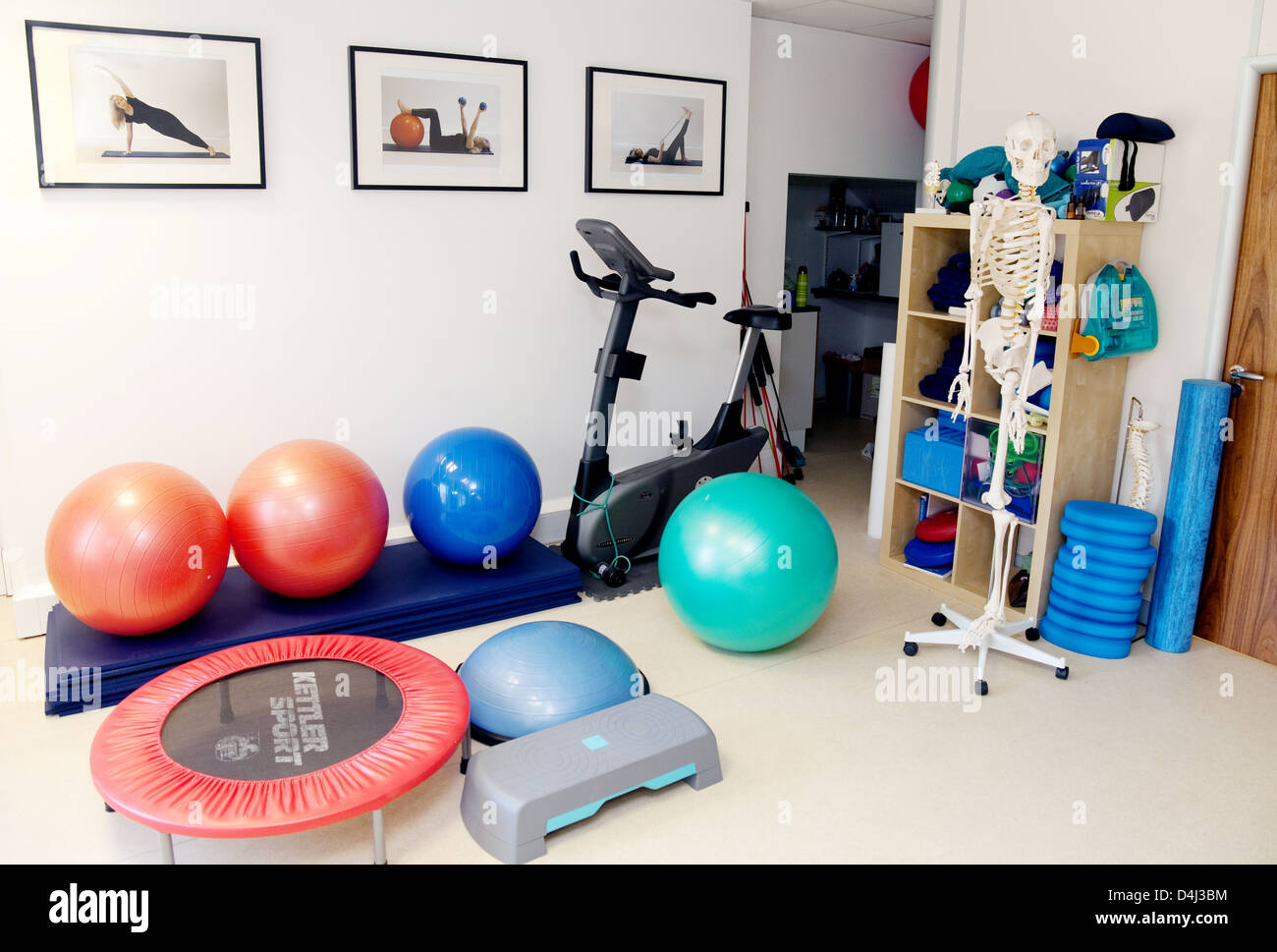
- Exercise Equipment: Exercise is a core component of physiotherapy treatment. Equipment like resistance bands, dumbbells, stability balls, and treadmills are commonly used to improve strength, flexibility, and endurance. For patients recovering from injuries, these devices allow controlled movements to rebuild strength gradually.
- Electrical Stimulation Devices (TENS): Transcutaneous Electrical Nerve Stimulation (TENS) devices use low-voltage electrical currents to relieve pain. This type of physiotherapy equipment is beneficial for people with chronic pain, arthritis, or back pain and is widely available in both clinics and home-care settings.
- Ultrasound Therapy Machines: Ultrasound machines are commonly used in physiotherapy for pain management and to reduce inflammation in soft tissues. These machines generate sound waves that penetrate deep into tissues, promoting blood flow and healing, making them essential for treating muscle and joint injuries.
- Hot and Cold Therapy Equipment: Heat pads, hot water bottles, and cold packs are widely used for treating injuries, reducing inflammation, and soothing sore muscles. This equipment provides patients with an effective way to manage pain in specific areas.
- Mobility Aids: Physiotherapy often requires supporting patients in learning or re-learning movement skills. Mobility aids such as crutches, walkers, and wheelchairs are essential in aiding patient mobility, both during treatment and daily activities.
- Balance and Coordination Equipment: Balance boards, balance balls, and other stability aids are commonly used to help patients regain their balance and coordination skills. These tools are particularly useful for patients recovering from neurological conditions or joint injuries.
Physiotherapy Equipment in Nigeria
In Nigeria, the demand for physiotherapy equipment is steadily increasing due to a growing awareness of physiotherapy’s benefits. As the healthcare system in Nigeria evolves, more hospitals, clinics, and rehabilitation centers are incorporating physiotherapy services into their offerings. However, obtaining high-quality physiotherapy equipment in Nigeria can be a challenge, as many facilities depend on imports, making accessibility and affordability significant issues.
For clinics and hospitals in Nigeria, sourcing reliable physiotherapy equipment in Nigeria requires a focus on suppliers that understand the specific needs of the market. Equipment must be durable and suitable for the country’s climate, and it is often essential to have access to after-sales support to ensure the longevity and effectiveness of the equipment. Local distributors and e-commerce platforms specializing in healthcare equipment are valuable resources for medical professionals looking to equip their facilities with the necessary tools for effective treatment.
Where to Buy Physiotherapy Equipment in Nigeria
There are several reputable sources for buying physiotherapy equipment in Nigeria. Online medical supply stores provide an array of options, from exercise machines and TENS devices to mobility aids. Some platforms offer delivery services, making it more convenient for medical practitioners and individuals to access quality equipment. Additionally, local healthcare suppliers may provide on-site demonstrations and training, ensuring that equipment is used safely and effectively.
Conclusion
Physiotherapy equipment is essential for healthcare providers looking to offer effective, non-invasive treatments to patients. In Nigeria, there is a growing demand for high-quality physiotherapy equipment, fueled by the need for accessible and affordable healthcare solutions. With the availability of both online and local suppliers, medical professionals and clinics have more opportunities to equip their facilities with the latest tools in physiotherapy, allowing them to deliver optimal patient care.