Are you tired of feeling self-conscious about your underbite? Do you find yourself struggling with speech or chewing difficulties? It’s time to take control of your oral health and aesthetics. This comprehensive guide will walk you through everything you need to know about fixing an underbite, from understanding its causes to exploring effective treatment options.
What Is an Underbite?
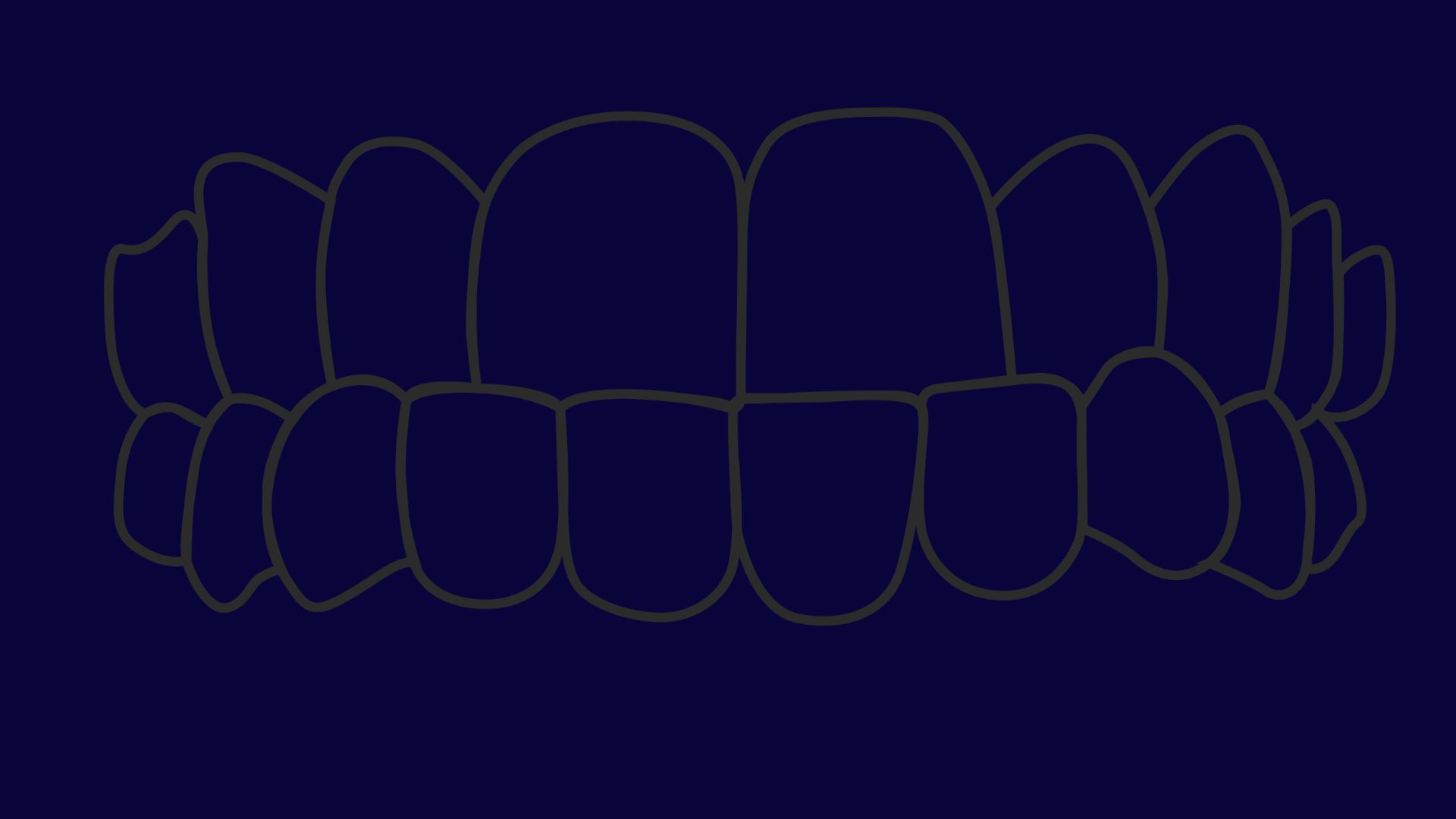
An underbite, also known as a Class III malocclusion, occurs when your lower teeth protrude beyond your upper teeth. Picture a bulldog’s distinctive jaw structure – that’s an exaggerated example of an underbite. While not always as pronounced, even mild underbites can cause significant issues.
Causes of Underbites
Underbites don’t just happen overnight. They’re often the result of a complex interplay of genetic and environmental factors. Some common causes include:
- Genetics: If your parents or siblings have an underbite, you’re more likely to develop one too.
- Childhood habits: Prolonged thumb-sucking or pacifier use can affect jaw development.
- Injury: Trauma to the jaw can sometimes lead to misalignment.
- Tumors: In rare cases, jaw tumors can cause an underbite.
Impact on Oral Health and Overall Well-being
An underbite isn’t just a cosmetic concern. It can significantly affect your quality of life. Patients with underbites often report:
- Difficulty chewing and biting
- Speech impediments
- Increased wear on tooth enamel
- Chronic jaw pain or TMJ disorders
- Breathing problems, including sleep apnea
- Lower self-esteem and social anxiety
Diagnosing an Underbite

Professional Assessment
The first step in fixing an underbite is getting a proper diagnosis. An orthodontist or dentist will conduct a thorough examination of your teeth, jaw, and facial structure. They’ll assess the severity of your underbite and determine the best course of action.
Imaging Techniques
Modern dentistry relies heavily on advanced imaging techniques to provide accurate diagnoses. Your orthodontist might use:
- X-rays: To visualize the positioning of your teeth and jaw bones.
- 3D scans: For a more detailed view of your oral structures.
- Computerized tomography (CT) scans: In complex cases, to get a comprehensive picture of your skull and jaw.
Treatment Options for Underbites
The good news? Underbites are treatable! The specific approach depends on the severity of your condition and your age. Let’s dive into some of the most effective options.
Orthodontic Approaches
Braces
Traditional braces remain a tried-and-true method for correcting underbites. They work by applying constant pressure to gradually move your teeth and jaw into proper alignment. Modern braces come in various styles, including:
- Metal braces: The classic option, now sleeker and more comfortable than ever.
- Ceramic braces: A more discreet alternative that blends with your natural tooth color.
- Lingual braces: Hidden behind your teeth for maximum discretion.
Clear Aligners
For those seeking a nearly invisible treatment option, clear aligners offer an excellent solution. These custom-made, removable trays gradually shift your teeth into the desired position. They’re particularly effective for mild to moderate underbites and offer the added benefit of being removable for eating and cleaning.
Surgical Interventions
In severe cases, particularly in adults whose jaws have finished growing, orthognathic surgery might be necessary. This procedure involves repositioning the lower jaw to align properly with the upper jaw. While it sounds daunting, modern surgical techniques have made this a safe and effective option for many patients.
The Journey to a Corrected Underbite

Timeline and Expectations
Fixing an underbite isn’t an overnight process. Depending on the severity of your condition and the chosen treatment method, it can take anywhere from several months to a few years. Here’s a general timeline:
- Diagnosis and treatment planning: 1-2 months
- Active treatment (braces or aligners): 12-36 months
- Retention phase: Ongoing
Remember, patience is key. Your smile is worth the wait!
Maintenance and Aftercare
Once your underbite is corrected, maintaining your new smile becomes crucial. Your orthodontist will likely recommend:
- Wearing a retainer as directed
- Regular dental check-ups
- Maintaining excellent oral hygiene
- Avoiding habits that could reverse your progress, like nail-biting or chewing on hard objects
Living with a Corrected Underbite
Improved Oral Function
After your underbite correction, you’ll notice significant improvements in your daily life. Many patients report:
- Easier chewing and biting
- Clearer speech
- Reduced jaw pain and headaches
- Better oral hygiene, as teeth are easier to clean when properly aligned
Enhanced Aesthetics
Let’s face it – a harmonious smile can be a game-changer. With your underbite corrected, you might find yourself:
- Smiling more confidently
- Feeling more comfortable in social situations
- Enjoying improved facial symmetry
Your Path to a Harmonious Smile
Fixing an underbite is a journey – one that leads to improved oral health, enhanced aesthetics, and boosted confidence. By understanding your condition, exploring your treatment options, and committing to the process, you’re taking a significant step towards a more harmonious smile. 
Remember, every smile is unique, and so is every treatment plan. Consult with a qualified orthodontist to determine the best approach for your specific needs. With the right care and expertise, you’ll be well on your way to saying goodbye to your underbite and hello to a healthier, more confident you.
Your perfect smile awaits – take the first step today!