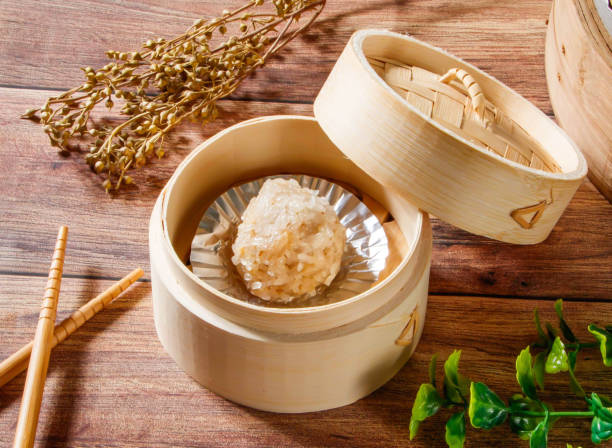
A sticky rice steamer basket is a time-tested kitchen tool that has been used for generations across many Asian cultures. Designed specifically to cook glutinous rice evenly without turning it mushy, this simple woven basket relies on steam circulation rather than direct water contact. Its continued use today shows how traditional tools can still outperform modern alternatives when it comes to flavour, texture, and authenticity.
Key Takeaways
-
Traditional steamer baskets are designed specifically for sticky rice
-
Natural materials support even steaming and flavour
-
Proper soaking and steaming techniques are essential
-
Traditional methods often outperform modern tools for texture
-
With care, baskets are durable and sustainable
What Is a Sticky Rice Steamer Basket?
A sticky rice steamer basket is a conical or round woven basket, traditionally made to sit over a pot of boiling water. Instead of submerging rice like boiling, it allows steam to rise gently through the grains. This method ensures that sticky rice cooks evenly while maintaining its distinct chewy texture.
Unlike metal steamers, the woven design absorbs some moisture while still allowing airflow. This balance is what makes the basket especially effective for sticky rice and similar grains.
Origins and Cultural Significance
The use of woven steamer baskets dates back centuries in regions such as Southeast Asia, particularly in Thailand, Laos, and parts of Vietnam. Sticky rice has long been a staple food in these cultures, eaten daily rather than as an occasional dish.
Traditionally, the basket was not just a cooking tool but part of everyday life. Families often passed them down or replaced them with locally handmade versions. Cooking sticky rice was a communal routine, reinforcing the importance of shared meals and cultural continuity.
Materials Used in Traditional Steamer Baskets
One of the defining features of this basket is its natural construction. Artisans historically used materials readily available in their environment, focusing on durability and breathability.
Common materials include:
-
Bamboo strips woven tightly for strength
-
Natural reeds that allow steam flow
-
Plant fibres that are lightweight yet sturdy
These materials are biodegradable, heat-resistant, and safe for cooking. Over time, they also develop a subtle seasoning that enhances the cooking process.
How a Sticky Rice Steamer Basket Works
The basket works by suspending soaked rice above boiling water. As steam rises, it passes through the woven gaps, cooking the rice from all sides. Because the rice does not sit in water, it avoids becoming soggy.
The key advantages of this method include:
-
Even heat distribution
-
Controlled moisture exposure
-
Preservation of grain structure
This is why many cooks still prefer a sticky rice steamer basket over electric or metal alternatives.
Step-by-Step Guide to Using It at Home
Using a traditional steamer basket may seem unfamiliar at first, but the process is straightforward.
Basic steps include:
-
Rinse sticky rice thoroughly until water runs clear
-
Soak the rice for several hours or overnight
-
Bring water to a steady boil in a pot
-
Place the basket over the pot, ensuring it does not touch water
-
Add soaked rice evenly into the basket
-
Cover and steam, turning rice halfway through
This method produces rice that is tender, fragrant, and evenly cooked.
Benefits Compared to Modern Steaming Methods
While modern steamers offer convenience, traditional baskets excel in specific ways.
Benefits include:
-
Better texture control for sticky rice
-
No reliance on electricity
-
Lightweight and portable design
-
Natural materials with no coatings
-
Long lifespan with proper care
For cooks who value authenticity and precision, traditional baskets remain a strong choice.
Traditional Basket vs Modern Steamers
| Material | Bamboo and natural fibres | Steel or plastic |
| Cooking method | Steam circulation | Enclosed steaming |
| Texture result | Chewy and separated | Often softer |
| Energy use | Stove heat only | Electricity or gas |
| Cultural value | High | Low |
This comparison shows why many home cooks still prefer traditional tools for specific recipes.
Common Mistakes and How to Avoid Them
Even simple tools can be misused. Understanding common errors helps improve results.
Frequent mistakes include:
-
Skipping the soaking step
-
Letting the basket touch boiling water
-
Overfilling the basket
-
Not turning rice during steaming
Avoiding these issues ensures consistent results and prolongs the basket’s life.
Care, Cleaning, and Storage Tips
Proper care is essential for maintaining a woven steamer basket. After use, it should be rinsed with warm water and left to air dry completely. Avoid detergents, as they can absorb into the fibres.
Helpful care tips:
-
Dry thoroughly to prevent mould
-
Store in a well-ventilated area
-
Avoid prolonged soaking when not cooking
-
Occasionally sun-dry to refresh fibres
With simple maintenance, these baskets can last for years.
Why This Tool Still Matters Today
In modern kitchens, traditional tools are often rediscovered for their efficiency and sustainability. The sticky rice steamer basket fits well into eco-conscious lifestyles and slow-cooking practices. It encourages mindful cooking and a deeper connection to food preparation.
Some specialty sellers, such as CCcollections, offer access to traditionally inspired natural kitchenware, helping modern households rediscover heritage cooking methods while respecting craftsmanship.

Frequently Asked Questions
Can this basket be used for foods other than sticky rice?
Yes, it can also steam vegetables, dumplings, and other grains.
Does the basket need seasoning before first use?
A rinse and short soak are usually sufficient before initial use.
Is it safe to use on any stove?
It works on gas and electric stoves as long as it sits securely above the pot.
How long does sticky rice take to steam?
Typically between 20 and 30 minutes, depending on quantity.
Where can quality steamer baskets be found?
Traditional-style options are available through specialist retailers such as CCcollections, focusing on natural materials and practical design.
By understanding how and why this traditional tool works, home cooks can achieve authentic results while embracing sustainable and culturally rich cooking practices.