Taking care of fire damage is the specialty of this restoration company
 collinsmisha531
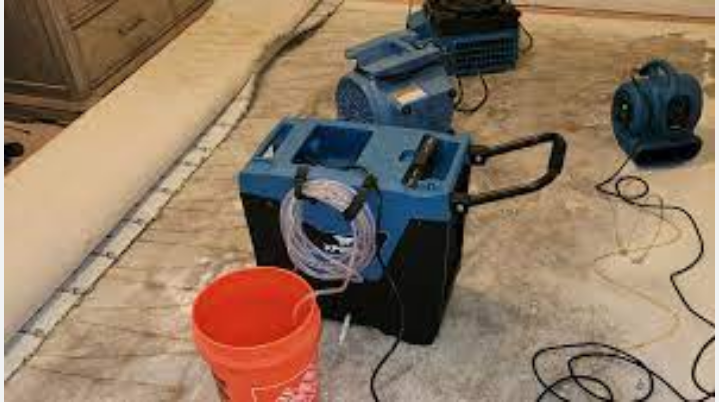
Experiencing fire damage can be one of the most distressing events in a person’s life. The aftermath of a fire can leave homes and businesses in ruins, with structural damage, smoke residue, and lingering odors. Fire damage restoration is a critical process that requires professional intervention to ensure the property is safe and habitable again. This guide explores the steps involved in fire damage restoration, the importance of hiring a qualified company, and how to choose the right service for your needs.
The Impact of Fire Damage
Before diving into restoration, it’s essential to understand the various types of damage that can occur from a fire. Fire damage typically encompasses:
- Heat Damage: The intense heat produced by a fire can warp and crack structures, as well as damage appliances and furniture.
- Smoke Damage: Smoke can seep into walls, ceilings, and furniture, leaving behind soot and unpleasant odors. Smoke damage can be particularly challenging to remediate.
- Water Damage: Firefighting efforts often involve significant water usage, leading to additional water damage that requires restoration.
- Chemical Damage: Chemicals used during firefighting, like foam or fire retardants, can also contribute to contamination and damage.
Each type of damage requires a tailored approach to restoration, underscoring the need for professional assistance.
The Restoration Process
The fire damage restoration process involves several key steps, each essential for returning the property to its pre-loss condition.
1. Assessment and Inspection
The first step is a thorough assessment of the damage. Professionals will inspect the property to determine the extent of the fire, smoke, and water damage. This step is crucial for developing a comprehensive restoration plan. The assessment often includes:
- Identifying structural damage.
- Evaluating smoke and soot damage.
- Checking for water damage from firefighting efforts.
2. Securing the Property
Once the assessment is complete, it’s vital to secure the property to prevent further damage. This may involve boarding up windows, covering holes in the roof, and ensuring that the premises are safe from unauthorized access.
3. Water Removal
If water was used to extinguish the fire, the next step is to remove any standing water. This process typically involves using pumps and vacuums to extract water from the premises. It’s crucial to act quickly to prevent mold growth and further structural damage.
4. Smoke and Soot Removal
After addressing water damage, professionals will focus on removing smoke and soot. This step is challenging, as smoke can penetrate deep into materials. Techniques may include:
- Using air scrubbers to filter particles from the air.
- Cleaning surfaces with specialized cleaning agents to remove soot.
- Employing thermal fogging or ozone treatment to eliminate odors.
5. Restoration and Repair
Following the cleanup, restoration and repair begin. This process may include:
- Rebuilding walls and ceilings.
- Replacing damaged flooring.
- Repairing or replacing furniture and belongings.
Restoration can vary significantly depending on the severity of the damage. In some cases, it may involve complete reconstruction, while in others, it may be limited to cosmetic repairs.
6. Final Inspection
Once the restoration process is complete, a final inspection is conducted to ensure that all work meets safety and quality standards. This step is crucial for verifying that the property is safe for occupancy.
The Importance of Professional Help
While some may consider handling fire damage restoration independently, this approach is often not advisable. Here are several reasons why hiring professionals is crucial:
1. Expertise and Experience
Restoration professionals have the training and experience needed to handle the complexities of fire damage. They understand the specific techniques required to address different types of damage effectively.
2. Specialized Equipment
Professional restoration companies utilize specialized equipment designed to tackle fire damage. This includes industrial-grade cleaning agents, air scrubbers, and advanced drying equipment that most homeowners do not have access to.
3. Safety Concerns
Fire-damaged properties can pose serious safety risks, including structural instability, hazardous materials, and lingering odors. Professionals are trained to identify and mitigate these risks, ensuring a safe restoration process.
4. Insurance Navigation
Navigating the insurance claims process can be daunting after a fire. Many restoration companies have experience working with insurance providers and can assist you in documenting damage and submitting claims, making the process smoother.
Choosing the Right Restoration Company
Selecting the right fire damage restoration company is critical for a successful recovery. Here are some tips for making an informed decision:
1. Research and Recommendations
Start by researching local restoration companies. Seek recommendations from friends, family, or colleagues who have had similar experiences. Online reviews and testimonials can also provide valuable insights into a company’s reputation.
2. Verify Credentials
Ensure the company is licensed, insured, and certified. Look for certifications from recognized organizations, such as the Institute of Inspection, Cleaning and Restoration Certification (IICRC), which indicates adherence to industry standards.
3. Evaluate Experience
Inquire about the company’s experience with fire damage restoration. Companies that have been in business for several years are likely to have encountered various fire damage scenarios and can handle challenges effectively.
4. Request Estimates
Contact multiple companies to obtain detailed estimates. A reputable company should provide a comprehensive breakdown of services and costs. Beware of significantly low bids, as these may indicate subpar service.
5. Assess Communication
Evaluate how a company communicates with you. They should be responsive to your questions and concerns, providing clear explanations and guidance throughout the restoration process.
6. Ask About Guarantees
Inquire whether the company offers any guarantees or warranties on their work. A commitment to quality assurance can provide peace of mind during the restoration process.
Conclusion
Fire restoration company is a complex and essential process that requires professional expertise and specialized equipment. Understanding the steps involved in restoration and the importance of hiring qualified professionals can help you navigate this challenging experience. By conducting thorough research, evaluating potential companies, and trusting your instincts, you can find a restoration service that meets your needs and helps restore your property to its pre-loss condition. The right company will not only facilitate the repair process but also provide support and guidance, ensuring a smoother recovery journey for you and your property.