Everyone loves a sharp price, especially when you’re juggling capex and trying to keep a plant upgrade on budget. But when it comes to fittings and hose gear on a food or beverage line, those bargain-bin parts can quietly become some of the most expensive decisions you make.
The purchase order only tells a tiny part of the story.
Where cheap fittings start to bite
The problems rarely show up on day one. At first it’s a clamp that needs a bit more force, a join that weeps under CIP, or a thread that feels gritty when you tighten it. Most of the time, people just “nip it up” and carry on. That’s exactly where low-grade gear begins to cost you.
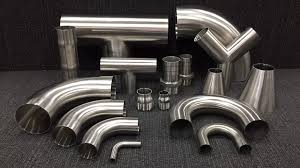
Quality stainless steel hose fittings are designed for constant hot-cold cycling, aggressive cleaning chemicals and the rough-and-tumble of an Australian production floor. The internal bores are smooth, welds are properly blended, and the dimensions actually match the hose and gasket. Pair them with well-machined stainless steel adaptors, and you get a secure, hygienic connection that doesn’t need to be wrestled into place every shift.
Swap those out for cheap components with inconsistent metallurgy and rough machining, and you’ve built stress points into every hose assembly. It’s only a matter of time before one of those weak links fails in the middle of a run.
The costs you won’t see on the quote
When a fitting lets go or starts leaking, it’s not just the cost of a new part. It’s the beer, milk, juice or syrup you’re washing down the drain. It’s the production schedule getting torn up while crews strip down lines, clean up floors and re-sanitise everything in sight.
Cheaper alternatives to proper stainless steel hose fittings often corrode under repeated caustic and acid washes, leading to pitting and staining. Once that surface is compromised, it becomes a perfect trap for product residues and bacteria. Suddenly you’re changing gaskets, clamps, valves and nearby stainless steel adaptors just to be sure, and QA is on your back to prove it’s all been dealt with properly.
If an auditor spots signs of corrosion or badly worn fittings, you can end up with non-conformances, extra sampling and follow-up visits. None of that shows up in the “savings” you thought you made when you went for the cheapest option.
What paying for quality really buys you
On a line built with properly engineered components, everything feels different in your hands. The stainless steel hose fittings slide into the hose tails cleanly, the ferrules crimp up evenly, and the clamps close with a firm, predictable bite. The stainless steel adaptors seat squarely, with threads that don’t gall and sealing faces that pull up tight without being over-torqued.
Behind that is a level of engineering you don’t see on the surface: traceable 316 stainless, weld procedures controlled to pharmaceutical standards, pressure testing of finished assemblies, and fittings designed specifically for hygienic transfer. The same mindset that builds hose assemblies for high-spec pharma work is applied to breweries, dairies, wineries and soft drink plants, so you get components that are easy to clean, resistant to harsh chemicals and built for long service life.
Spend once, save for years
In Australian food and beverage production, downtime and recalls are far more expensive than a slightly higher unit price on a fitting. Paying for quality stainless steel hose fittings, reliable stainless steel adaptors, well-made clamps, valves and gaskets means fewer leaks, smoother audits and less firefighting from your maintenance crew.
Cheap fittings feel good on the day you buy them. Quality fittings feel good every day they don’t fail.