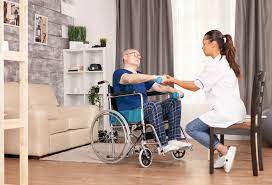
In the realm of healthcare, collaboration between various professionals is essential for delivering holistic and effective care. This principle holds especially true in DVA Community Nursing Services, where the health needs of veterans are often complex and require a multidisciplinary approach. One of the most critical aspects of this care is the process of referring veterans to allied health professionals. These professionals, including physiotherapists, occupational therapists, dietitians, and psychologists, play a vital role in addressing specific health concerns and improving the overall well-being of veterans. In this article, we will explore how DVA Community Nursing Services facilitate referrals to allied health professionals, ensuring that veterans receive comprehensive care tailored to their unique needs.
Understanding DVA Community Nursing Services
DVA Community Nursing Services are designed to provide veterans with the healthcare support they need to manage their health conditions while remaining in the comfort of their homes. These services include a wide range of medical and personal care, such as wound care, medication management, chronic disease management, and palliative care. However, many veterans also require additional support from allied health professionals to address specific health issues that fall outside the scope of nursing care. This is where the referral process becomes crucial.
The Role of DVA Nurses in Referrals
DVA nurses play a central role in identifying when a veteran may benefit from the expertise of an allied health professional. Nurses in DVA Community Nursing Services are often the first point of contact for veterans, conducting regular assessments and monitoring their health status. During these assessments, they evaluate not only the veteran’s immediate medical needs but also their broader physical, mental, and emotional well-being.
For example, a veteran recovering from surgery may require physiotherapy to regain mobility, or a veteran with chronic pain may benefit from seeing an occupational therapist who can recommend modifications to their living environment. In cases where a veteran struggles with mental health issues, a psychologist or counselor may be necessary to provide support. The ability to recognize these needs is a critical skill that DVA nurses possess, allowing them to initiate the referral process promptly.
The Referral Process in DVA Community Nursing Services
The referral process in DVA Community Nursing Services is designed to be seamless, ensuring that veterans can access the allied health services they need without unnecessary delays. Here’s a breakdown of how the process typically works:
- Assessment and Identification of Need: The process begins with the DVA nurse assessing the veteran’s health and identifying areas where additional support may be beneficial. This could be related to mobility, pain management, mental health, or any other aspect of the veteran’s well-being that requires specialized attention.
- Discussion with the Veteran: Once the need for a referral is identified, the DVA nurse discusses the situation with the veteran and their family (if appropriate). This conversation is important as it ensures that the veteran understands why the referral is being made and what they can expect from the allied health professional.
- Liaising with Healthcare Providers: DVA nurses often collaborate with the veteran’s GP or specialist to coordinate the referral. This step is essential for ensuring that all healthcare providers are on the same page regarding the veteran’s care plan. The nurse may also consult with the DVA to confirm eligibility and funding for the specific allied health service being recommended.
- Making the Referral: After the necessary consultations, the DVA nurse formally refers the veteran to the appropriate allied health professional. This may involve completing referral forms, providing relevant medical records, and arranging appointments.
- Follow-Up and Monitoring: After the referral is made, DVA nurses continue to monitor the veteran’s progress. They stay in close communication with the allied health professional to ensure that the veteran is receiving the care they need and that any adjustments to the care plan are made promptly.
Collaboration with Allied Health Professionals
Effective collaboration between DVA nurses and allied health professionals is a cornerstone of DVA Community Nursing Services. Once a referral is made, the nurse works closely with the allied health professional to ensure that the veteran’s care is coordinated and aligned with their overall health goals. For example, a physiotherapist may provide the nurse with a detailed exercise plan for the veteran, which the nurse can help implement during home visits. Similarly, an occupational therapist may recommend modifications to the veteran’s home, and the DVA nurse can assist in coordinating the necessary changes.
This collaboration extends beyond just the immediate care team. In many cases, DVA nurses also work with the veteran’s family members to ensure that they understand the care being provided and can offer support at home. By fostering open communication and teamwork, DVA nurses help create a comprehensive care environment that addresses all aspects of the veteran’s health.
Benefits of a Multidisciplinary Approach
The referral process in DVA Community Nursing Services is not just about sending veterans to see another professional; it is about ensuring that every aspect of their health is addressed. By connecting veterans with the right allied health professionals, DVA nurses help improve outcomes in areas such as mobility, pain management, mental health, and overall quality of life.
This multidisciplinary approach also allows for more personalized care. Each allied health professional brings their expertise to the table, creating a care plan that is tailored to the veteran’s specific needs. This holistic approach is particularly important for veterans who may have complex health conditions or who are dealing with the long-term effects of injuries or illnesses.
Conclusion
In conclusion, the referral process in DVA Community Nursing Services is a critical component of delivering comprehensive and effective care to veterans. DVA nurses play a vital role in identifying when a veteran may benefit from the expertise of an allied health professional and facilitating the referral process to ensure timely access to these services. Through collaboration with allied health professionals, DVA nurses help veterans achieve better health outcomes and improve their overall quality of life