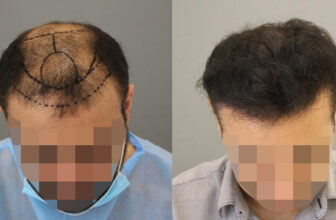
Hair loss is a challenge that affects millions worldwide, often taking a toll on self-esteem and confidence. For many, a hair transplant offers a promising solution to restore not only hair but also their sense of self. However, one critical factor that significantly impacts the success of a hair transplant is genetics. In this article, we’ll explore how genetics influences hair transplant outcomes and why understanding your genetic profile can pave the way for a successful hair restoration journey. If you’re considering a Hair Transplant in Dubai, this information is essential.
Understanding the Basics of Hair Transplants
A hair transplant involves relocating healthy hair follicles from one part of the scalp (typically the back or sides) to areas experiencing hair loss. There are two primary methods of hair transplantation:
- Follicular Unit Transplantation (FUT): A strip of scalp is removed, and individual follicular units are extracted for transplantation.
- Follicular Unit Extraction (FUE): Individual follicles are directly extracted from the donor area and transplanted.
Both techniques require a healthy donor area with genetically resistant hair follicles to achieve lasting results. This is where genetics comes into play.

How Genetics Affects Hair Loss and Transplant Success
- Hair Loss Patterns: Genetics determines the pattern and extent of hair loss. Male and female pattern baldness, medically known as androgenetic alopecia, is hereditary. If your family has a history of baldness, you are more likely to experience similar hair loss patterns. Knowing your genetic predisposition can help specialists predict the progression of your hair loss and tailor a treatment plan accordingly.
- Donor Hair Quality: The success of a hair transplant heavily relies on the quality and quantity of donor hair. Genetics influences the density, texture, and durability of your donor hair. Individuals with robust, genetically resistant hair in the donor area are better candidates for a hair transplant.
- Hair Follicle Resistance: Some hair follicles are naturally resistant to dihydrotestosterone (DHT), the hormone responsible for androgenetic alopecia. These DHT-resistant follicles, typically found at the back of the scalp, are ideal for transplantation as they are less likely to succumb to future hair loss.
Benefits of a Genetic Evaluation Before a Hair Transplant
Undergoing a genetic evaluation can provide invaluable insights into your hair restoration journey. Here’s why it matters:
- Predicts Hair Loss Progression: Understanding your genetic makeup helps specialists anticipate future hair loss and plan for long-term results.
- Customized Treatment Plans: Genetic testing allows for a personalized approach, ensuring the best possible outcomes.
- Informed Expectations: A clear understanding of your genetic predisposition helps set realistic expectations about the results and longevity of the transplant.
Why Dubai Is a Top Destination for Hair Transplants
Dubai has emerged as a hub for advanced hair restoration treatments, offering world-class facilities, experienced surgeons, and cutting-edge technology. If you’re considering a hair transplant in Dubai, you’ll benefit from:
- Expertise in dealing with diverse hair types and genetic profiles.
- Access to state-of-the-art equipment and techniques like FUE and FUT.
- Comprehensive pre- and post-treatment care tailored to individual needs.
Post-Treatment Care for Long-Lasting Results
While genetics plays a significant role in hair transplant success, post-treatment care is equally important. Here are some tips to ensure the best results:
- Follow Your Surgeon’s Instructions: Adhere to the recommended aftercare regimen, including medications and cleaning routines.
- Protect Your Scalp: Avoid direct sunlight, strenuous activities, and swimming in chlorinated water during the recovery phase.
- Maintain a Healthy Lifestyle: A balanced diet, regular exercise, and stress management can promote hair health.
- Consider PRP Therapy: Platelet-rich plasma (PRP) therapy can enhance healing and stimulate hair growth.
Final Thoughts
The role of genetics in hair transplant success cannot be overstated. By understanding how your genetic profile influences hair loss and transplant outcomes, you can make informed decisions about your treatment options. For those contemplating a Hair Transplant Dubai, consulting with a qualified specialist who understands the nuances of genetics and hair restoration is crucial.