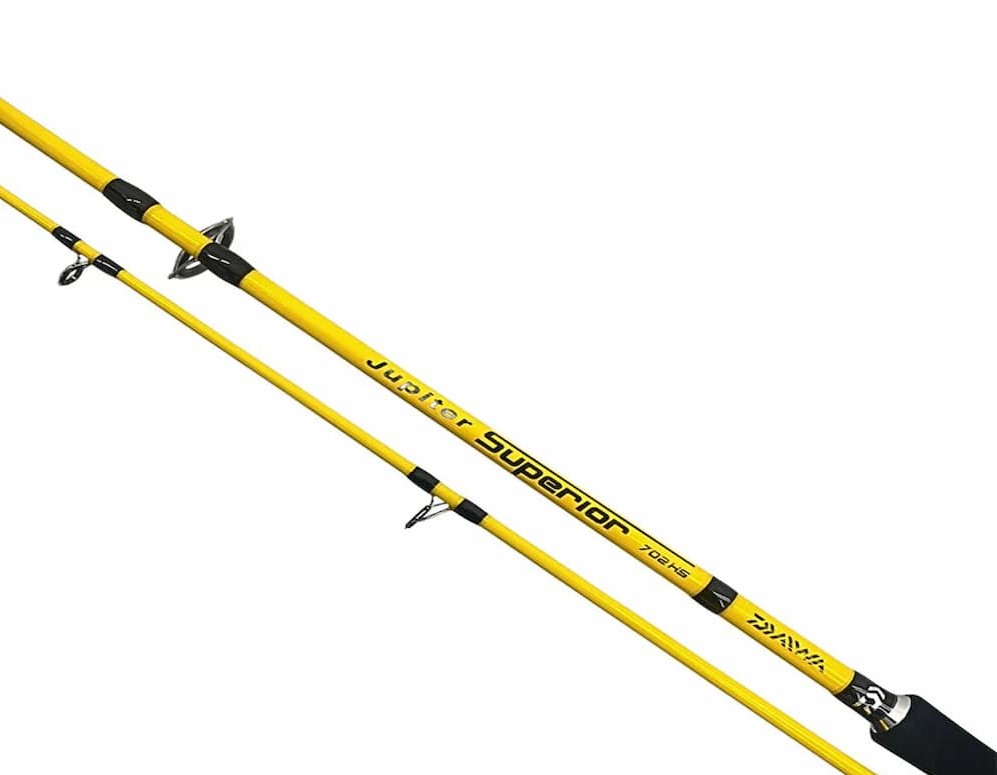
Fishing is an activity that transcends generations and brings people together across the globe. Whether it’s a peaceful day by the lake or a challenging deep-sea fishing expedition, the right gear plays a crucial role in ensuring you have a successful trip. Among the most essential pieces of equipment is the fishing rod, which comes in various styles and designs to suit different fishing techniques. In this article, we’ll explore the different types of fishing rods, specifically focusing on spinning rods, and help you make the best choice based on your fishing style.
Understanding Fishing Rods: An Essential Tool for Every Angler
Fishing rods are designed to assist anglers in casting their line, reeling in fish, and ensuring the overall success of the fishing experience. Each type of rod has its own set of advantages, and understanding which one suits your fishing style can elevate your experience. When choosing a fishing rod, consider factors such as the type of fishing you will engage in, the kind of fish you aim to catch, and how the rod’s material and structure will affect your performance on the water.
The Different Types of Fishing Rods
- Spinning Rods:
Spinning rods are often the first choice for beginner anglers due to their user-friendly design and versatility. These rods feature a spinning reel that is mounted underneath the rod, making them ideal for light to medium tackle. They are perfect for catching smaller fish species like bass, trout, and panfish, though they can also handle heavier species in the right conditions. - Casting Rods:
Casting rods, equipped with a baitcasting reel mounted on top, are often used by more advanced anglers. They are designed for precise casting, making them ideal for heavier baits and lures. Casting rods excel in targeting larger fish species such as pike, walleye, and musky. These rods require more skill and experience but provide excellent accuracy and control. - Fly Rods:
Fly rods are designed specifically for fly fishing. They are lightweight and flexible, allowing anglers to cast tiny artificial flies to catch fish. Fly rods are usually employed in freshwater environments like rivers and streams where trout, salmon, and other species are abundant. - Trolling Rods:
Trolling rods are used for trolling, a technique in which baits or lures are dragged behind a moving boat. These rods are built with durability and strength in mind, as they are designed to handle larger fish and deep waters. They are typically longer and more robust than most other types of fishing rods.
What to Consider When Choosing a Fishing Rod
- Length:
The length of the fishing rod plays a critical role in casting distance and accuracy. Longer rods are better suited for casting longer distances, while shorter rods provide better control and accuracy for close-range fishing. - Material:
Fishing rods are commonly made of materials such as graphite, fiberglass, or a blend of both. Graphite rods are lightweight, sensitive, and offer excellent responsiveness, while fiberglass rods are more durable and better at withstanding rough conditions. - Rod Action and Power:
Rod action refers to the flexibility of the rod, and it determines how the rod bends when pressure is applied. Fast action rods bend near the tip, offering greater sensitivity, while slow action rods bend throughout the length, providing more power. The power of the rod indicates its strength and determines how much weight it can handle. Light action rods are great for small fish, while heavy-action rods are necessary for larger fish.
Spinning Rods: A Popular Choice for Versatility and Ease
Spinning rods are one of the most popular types of fishing rods because of their ease of use and versatility. Whether you’re fishing in freshwater or saltwater, spinning rods are designed to handle a wide range of fishing techniques and fish species. They are especially favored by beginners, as their design is simple and allows for smoother, more accurate casting.
Why Spinning Rods Are So Popular
- Simplicity and Ease of Use:
Spinning rods are ideal for novice anglers because of their straightforward design. The reel is mounted underneath the rod, making it easy to cast and retrieve the line with minimal effort. Their design reduces the risk of tangles and bird nests, which is a common problem with baitcasting reels. - Lightweight and Comfortable:
Spinning rods are known for being lightweight, which makes them perfect for long hours of fishing. Their light construction reduces fatigue, allowing anglers to fish for extended periods without discomfort. - Versatility for Small to Medium Fish:
Spinning rods are great for catching a variety of species, from smaller fish like bluegill and trout to medium-sized fish like bass. They offer a balance between casting distance and sensitivity, allowing anglers to target fish both near and far. - Perfect for Casual Fishing:
Whether you’re fishing from a pier, shore, or boat, a spinning rod is a great option for most casual fishing trips. It’s versatile enough to handle a variety of baits and lures, making it a go-to rod for general-purpose fishing.
How to Choose the Right Spinning Rod
When choosing a spinning rod, keep in mind the following considerations to ensure that it suits your fishing needs:
- Rod Length:
The length of the rod plays a significant role in its overall performance. A 6 to 7-foot rod is ideal for most anglers because it offers a good balance between distance and control. Longer rods are great for casting farther distances, while shorter rods excel in precise, controlled casts. - Rod Power and Action:
For general freshwater fishing, a medium-power spinning rod with moderate action is the best all-around choice. This combination offers a good level of sensitivity for smaller fish while still providing the strength needed to catch medium-sized species. - Material:
Look for spinning rods made from lightweight, durable materials such as graphite, carbon fiber, or a combination of both. Graphite rods provide excellent sensitivity and are ideal for detecting subtle bites, while fiberglass rods are sturdier and more forgiving. - Quality of Guides and Reel Seats:
When purchasing a spinning rod, pay attention to the quality of the guides and reel seats. High-quality guides made from ceramic or stainless steel will reduce friction and improve casting distance, while a durable reel seat ensures that your reel stays securely in place during use.
Recommended Spinning Rod Brands and Models
Some reputable brands that produce top-quality spinning rods include:
- Shimano: Known for their precision engineering and high-performance rods, Shimano offers a wide range of spinning rods suitable for anglers of all levels.
- Ugly Stik: Popular for their toughness and flexibility, Ugly Stik rods are perfect for those looking for reliable, budget-friendly options.
- St. Croix: This premium brand is known for producing top-tier spinning rods that cater to both novice and professional anglers.
- Daiwa: Daiwa rods are known for their precision and reliability, offering excellent value for both casual and seasoned anglers.
Conclusion: Choosing the Right Fishing Rod or Spinning Rod
The key to successful fishing is having the right equipment, and choosing the best fishing rod or spinning rod is an important decision. By considering your fishing style, the species you plan to catch, and the specific features of the rod, you can make an informed choice that will elevate your fishing experience. Whether you prefer the simplicity of a spinning rod or the power of a casting rod, each type offers distinct advantages that can help you reel in the catch of a lifetime.