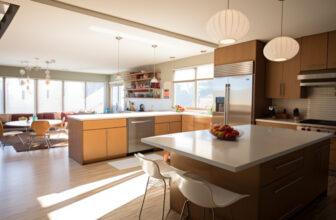
Tile accent walls are a fantastic way to elevate the aesthetic of any room. They add texture, color, and personality to your living space, turning a mundane wall into a captivating focal point. Whether you’re renovating your home or looking to refresh a single room, creating a tile accent wall can be a rewarding DIY project. In this guide, we will walk you through the process of designing and installing a tile accent wall.
Why Choose a Tile Accent Wall?
Before diving into the how-to, let’s explore why a tile accent wall can be an excellent addition to your home.
- Visual Interest: Tile patterns and colors can create a stunning visual impact, drawing attention to specific areas of your home.
- Durability: Tiles are often made from strong materials like ceramic, porcelain, or natural stone, which are long-lasting and easy to maintain.
- Versatility: Tiles come in various styles, colors, and textures, allowing you to express your personal style effortlessly.
- Increased Home Value: A well-designed tile accent wall can enhance your home’s value, making it more appealing to potential buyers.
Choosing the Right Tile
Selecting the perfect tile is crucial to achieving the desired look for your accent wall. Consider the following factors:
- Material: Common options include ceramic, porcelain, glass, and natural stone. Each material offers unique aesthetics and durability.
- Color and Pattern: Choose colors that complement your existing decor. Bold colors or intricate patterns can make a striking statement, while neutral tones provide a more subtle effect.
- Size: Larger tiles can create a modern look with fewer grout lines, while smaller tiles can add intricate detail.
For more tile options, visit Flooring World for an extensive selection.
Planning Your Accent Wall
Once you’ve selected your tiles, it’s time to plan the design of your accent wall. Follow these steps:
- Select the Wall: Choose a wall that will benefit from an accent. Ideal locations include behind a fireplace, in a dining area, or as a backdrop for artwork.
- Design Layout: Sketch your design on paper or use design software. Consider different patterns such as herringbone, stacked, or staggered.
- Measure the Space: Measure the wall to determine how many tiles you’ll need. Always buy a little extra to account for mistakes or future repairs.
Tools and Materials Needed
Before starting your project, gather the following tools and materials:
- Tiles of your choice
- Tile adhesive or thin-set mortar
- Tile spacers
- Notched trowel
- Level
- Tile cutter
- Grout
- Grout float
- Sponge
- Safety goggles
- Gloves
Installation Steps
Now, let’s break down the installation process step by step:
Step 1: Prepare the Wall
- Clean the Surface: Ensure the wall is free of dust, grease, or any debris. A clean surface helps the adhesive bond better.
- Repair Any Imperfections: Fill holes or cracks with spackle or wall filler and sand the surface smooth.
Step 2: Apply Tile Adhesive
- Spread the Adhesive: Using a notched trowel, spread the tile adhesive onto the wall, starting from the bottom and working your way up. Ensure an even coat.
- Check Level: After applying adhesive, use a level to ensure the adhesive is straight and even.
Step 3: Lay the Tiles
- Start with the First Tile: Press the first tile into the adhesive and wiggle it slightly to ensure a good bond. Use tile spacers to maintain even gaps between tiles.
- Continue Laying Tiles: Work your way across the wall, row by row, until the entire wall is covered.
Step 4: Cut Tiles as Needed
- Measure and Cut: Use a tile cutter to trim tiles for edges and corners. Always wear safety goggles while cutting tiles.
Step 5: Grouting
- Allow Adhesive to Set: Let the adhesive dry for at least 24 hours before applying grout.
- Apply Grout: Use a grout float to spread grout over the tiles, filling in the gaps. Wipe excess grout off the surface of the tiles with a damp sponge.
- Cure Time: Allow the grout to cure for the recommended time before cleaning the tiles.
Finishing Touches
- Seal the Grout: After the grout has dried, consider applying a grout sealer to protect it from moisture and staining.
- Clean the Surface: Wipe down the tiles with a damp cloth to remove any grout haze or residue.
Maintenance Tips
To keep your tile accent wall looking stunning, follow these maintenance tips:
- Regular Cleaning: Clean the tiles with a gentle cleaner and soft cloth to remove dirt and grime.
- Inspect for Damage: Regularly check for any loose tiles or cracks, and repair them promptly to avoid further damage.
- Avoid Harsh Chemicals: Steer clear of abrasive cleaners that can scratch or damage the tiles.
Conclusion
Creating a stunning tile accent wall is an exciting way to express your style and enhance your living space. With careful planning, the right materials, and a bit of patience, you can transform any wall into a striking feature. For a wide selection of quality tiles and expert advice, check out Flooring World. Whether you prefer a bold, colorful design or a subtle, neutral look, the possibilities are endless. Happy tiling!