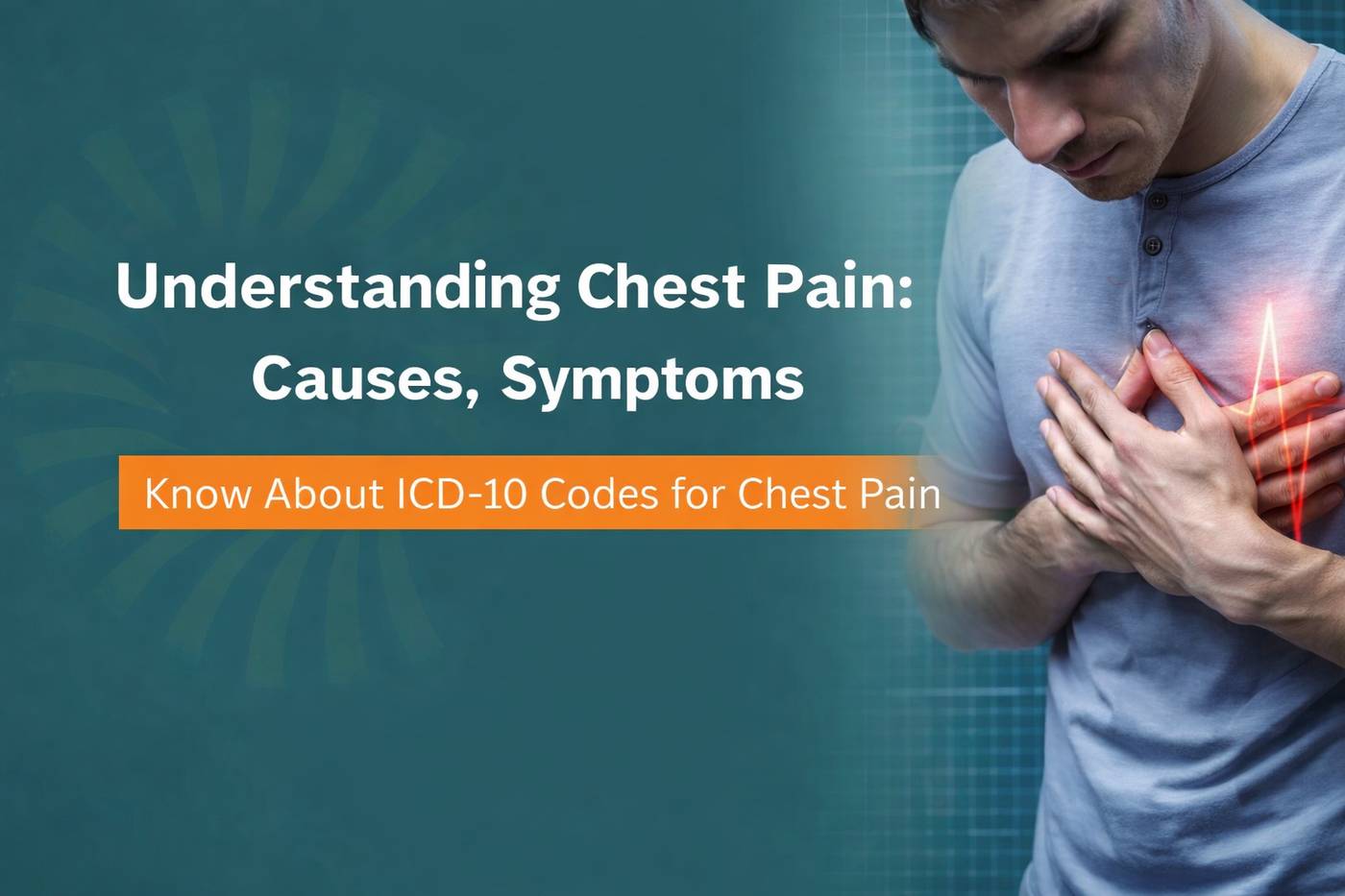
Chest pain is one of the most concerning symptoms a person can experience. It refers to discomfort, pressure, tightness, or pain felt anywhere between the neck and upper abdomen. Chest pain can last for a few seconds or continue for several hours depending on the underlying cause. While some cases are mild and harmless, others can indicate serious and life-threatening medical conditions. Proper evaluation and correct ICD-10 coding play a critical role in diagnosis, treatment, and medical billing.
Chest pain should never be ignored, especially because it can be a warning sign of conditions involving vital organs such as the heart and lungs. Early identification helps prevent complications and ensures timely medical care.
Why Chest Pain Requires Immediate Attention
The chest contains essential organs including the heart, lungs, and major blood vessels. Any disturbance in these organs can cause pain. Conditions such as heart attacks, pulmonary embolism, or severe infections may present initially as chest discomfort. Delaying medical attention can lead to serious consequences or even death. Even if chest pain turns out to be non-cardiac, ruling out dangerous causes is always necessary.
Understanding ICD-10 Coding for Chest Pain
ICD-10 stands for the International Classification of Diseases, Tenth Revision. It is a standardized system used worldwide to classify symptoms, diseases, and medical conditions. ICD-10 codes help healthcare providers document diagnoses accurately and allow insurance companies to process claims correctly. For chest pain, selecting the appropriate ICD-10 code is essential for proper reimbursement and clinical documentation.
Common Causes of Chest Pain
Cardiac Causes
Heart Attack
A heart attack occurs when blood flow to the heart muscle is blocked due to plaque buildup or a blood clot. This results in severe chest pressure or squeezing pain that may radiate to the left arm, jaw, neck, or back. Associated symptoms include nausea, sweating, dizziness, and shortness of breath. Immediate emergency care is required.
Angina
Angina is chest pain caused by reduced blood flow to the heart. It usually occurs during physical activity or emotional stress and improves with rest. Although angina itself is not a heart attack, it signals an increased risk of one.
Gastrointestinal Causes
Acid Reflux or GERD
Gastroesophageal reflux disease can cause burning chest pain known as heartburn. This pain often worsens after eating or when lying down and may resemble heart-related pain. Unlike cardiac pain, GERD-related discomfort usually improves with antacids.
Gallbladder Disease
Gallstones or gallbladder inflammation can cause pain in the upper abdomen that radiates to the chest. This pain often occurs after eating fatty foods and may be accompanied by nausea or vomiting.
Pulmonary Causes
Pulmonary Embolism
Pulmonary embolism is a medical emergency caused by a blood clot in the lungs. It results in sudden sharp chest pain, shortness of breath, rapid heart rate, and sometimes coughing up blood. Immediate treatment is critical.
Pneumonia
Pneumonia causes inflammation in the lungs and may lead to chest pain that worsens with coughing or deep breathing. Fever, fatigue, and shortness of breath are common associated symptoms.
Musculoskeletal Causes
Muscle Strain
Overuse or injury to chest wall muscles can result in localized chest pain. This pain often worsens with movement and can be reproduced by pressing on the affected area.
Costochondritis
Costochondritis is inflammation of the cartilage connecting the ribs to the breastbone. It can cause sharp or aching pain on the left side of the chest and is often mistaken for heart-related pain. It is generally harmless and resolves with rest and anti-inflammatory treatment.
Psychological Causes
Anxiety and Panic Attacks
Stress and anxiety can trigger chest pain that feels tight or heavy. Symptoms may include rapid heartbeat, sweating, dizziness, and fear. Although not life-threatening, panic-related chest pain often leads to emergency visits due to its similarity to heart attacks.
Symptoms That Help Identify the Cause
Chest pain that worsens with breathing or movement usually points to lung or musculoskeletal issues. Pain that radiates to the arm, jaw, or back is more concerning for heart-related conditions. Sharp, stabbing pain is often linked to lung or muscle problems, while dull pressure or heaviness suggests a cardiac cause. Symptoms such as nausea, shortness of breath, fainting, or cold sweats should always be treated as medical emergencies.
Chest Pain ICD-10 Code R07.9 Explained
The ICD-10 code R07.9 Unspecified Chest Pain is one of the most commonly used codes in emergency and outpatient settings. This code is assigned when chest pain is present, but the exact cause has not yet been determined. It is often used during initial patient evaluation before diagnostic tests confirm the underlying condition.
R07.9 is especially important in medical billing and coding because it allows providers to document chest pain symptoms accurately without making a premature diagnosis. Proper use of this code helps avoid claim denials and ensures compliance with insurance guidelines.
How Doctors Diagnose Chest Pain
Diagnosis begins with a detailed medical history and physical examination. Doctors assess the nature of the pain, duration, triggers, and accompanying symptoms. Diagnostic tests such as electrocardiograms, chest X-rays, blood tests, and imaging studies help identify heart, lung, or gastrointestinal causes. Once the cause is confirmed, a more specific ICD-10 code may replace R07.9.
Treatment Based on the Underlying Cause
Treatment depends entirely on the source of chest pain. Cardiac conditions may require medications, procedures, or surgery. Acid reflux is treated with dietary changes and antacids. Pulmonary embolism requires anticoagulant therapy, while anxiety-related chest pain may be managed with counseling or medication. Accurate diagnosis ensures effective treatment and better patient outcomes.
Preventing Chest Pain
Maintaining a healthy lifestyle plays a key role in preventing chest pain. A balanced diet, regular exercise, stress management, avoiding smoking, and routine medical checkups can significantly reduce risk. Listening to your body and seeking medical attention early can prevent serious complications.
Final Thoughts
Chest pain is a symptom that should always be taken seriously. Accurate diagnosis and correct ICD-10 coding, especially the use of Chest Pain ICD-10 R07.9, are essential for patient care and medical billing accuracy. Healthcare providers and medical billing professionals rely on proper documentation to ensure smooth claims processing and quality treatment outcomes.
For expert medical billing solutions and ICD-10 coding support, medmaxrcm helps healthcare practices improve accuracy, reduce denials, and maximize revenue.