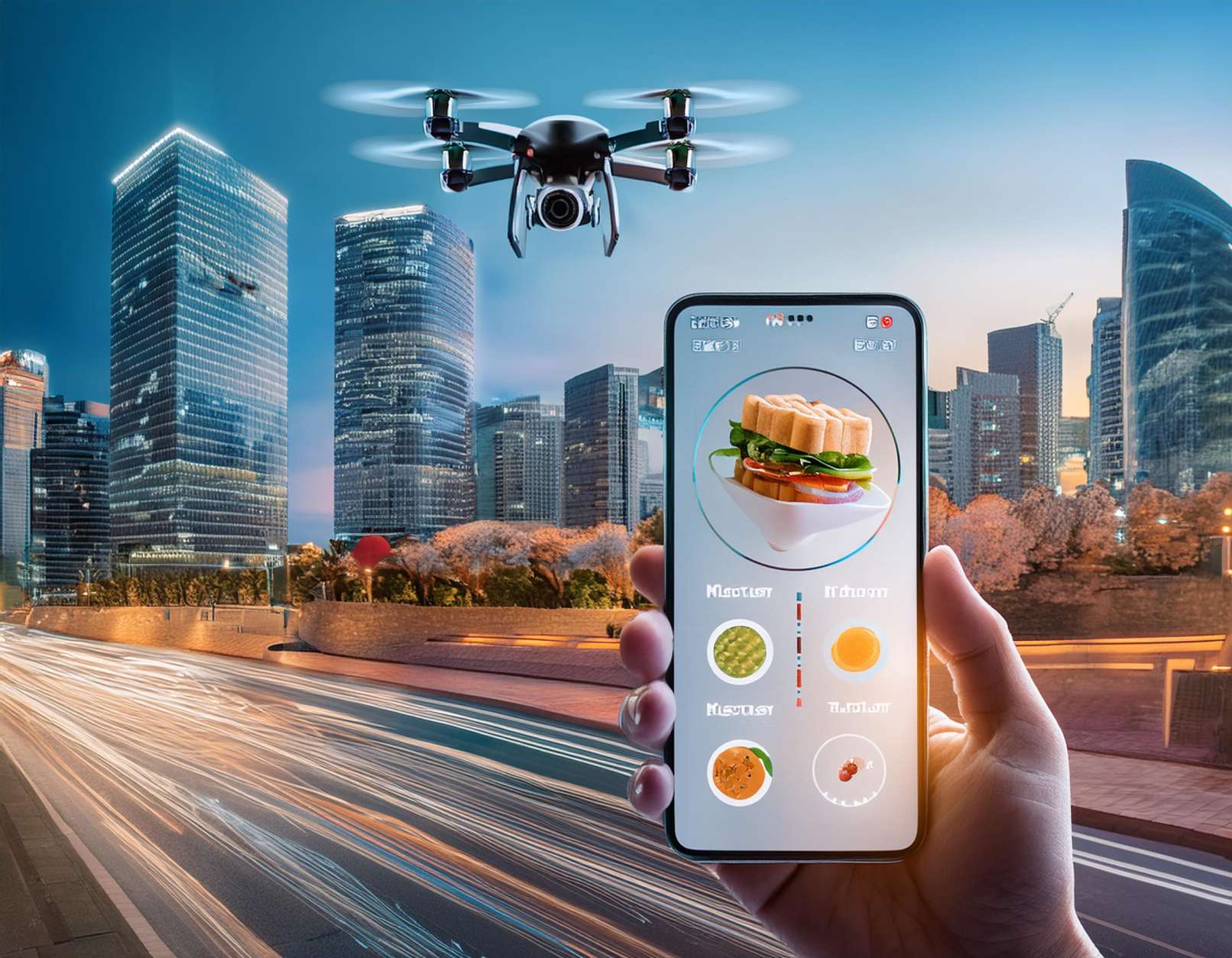
The food delivery market has witnessed remarkable growth over the past decade, driven by technological advancements, evolving consumer preferences, and changing lifestyles. In 2024, the market is poised for continued expansion, presenting substantial opportunities for new entrants, including potential clones of established platforms like DoorDash. This article delves into the market potential for a DoorDash clone by analyzing current industry trends, competitive dynamics, technological requirements, and emerging opportunities.
Current State of the Food Delivery Market
Market Size and Growth
As of 2023, the global food delivery market was valued at approximately $150 billion. This sector is experiencing robust growth, with an annual growth rate projected at 10% through 2027. This growth trajectory reflects increasing consumer demand for convenience and the ongoing shift towards online ordering and delivery.
Regionally, the market is diverse:
- North America: Dominates with the largest market share, driven by high consumer spending and the presence of major players.
- Europe: Shows steady growth with a focus on sustainable and local food options.
- Asia-Pacific: Experiencing rapid expansion, led by increasing urbanization and rising disposable incomes.
- Latin America and Middle East & Africa: Emerging markets with significant potential due to growing internet penetration and middle-class expansion.
Consumer Behavior Trends
Consumer habits are evolving with several key trends:
- Convenience: The demand for food delivery services continues to grow due to their convenience, especially among busy professionals and families.
- Remote Work: The rise of remote work has increased home meal consumption, boosting delivery service usage.
- Contactless Transactions: The COVID-19 pandemic accelerated the preference for contactless payments and delivery options, a trend that persists in 2024.
Competitive Landscape
The food delivery market is highly competitive, with several dominant players:
- DoorDash: The market leader in the U.S., known for its extensive network and aggressive growth strategies.
- Uber Eats: A major global player with a strong presence in multiple countries, leveraging Uber’s existing logistics network.
- Grubhub: A significant player in the U.S., known for its extensive restaurant partnerships.
- Postmates: Acquired by Uber Eats, it offers unique services such as delivery from non-restaurant businesses.
Market share distribution varies by region, with DoorDash leading in North America and Uber Eats having a more global reach.
Competitive Advantages and Challenges
Success Factors:
- Technology: Advanced algorithms for routing and delivery optimization, personalized recommendations.
- Partnerships: Strategic alliances with restaurants and local businesses.
- Logistics: Efficient delivery networks and fleet management.
Challenges:
- Customer Acquisition Costs: High expenses related to attracting and retaining customers.
- Intense Competition: Constant innovation and competitive pricing pressure.
Opportunities for New Entrants
New DoorDash clones can explore several potential niches:
- Regional Focus: Target underserved areas or regions with fewer established players.
- Niche Cuisines: Offer specialized menus or cuisine types that are currently underserved.
- Enhanced Features: Incorporate advanced technology such as AI for better personalization or blockchain for transparency in food sourcing.
Technological and Operational Considerations
To develop a successful DoorDash clone, consider the following technologies:
- Mobile App Frameworks: Use platforms like React Native or Flutter for cross-platform compatibility.
- Backend Infrastructure: Implement robust server architectures using cloud services like AWS or Azure.
- Real-Time Tracking: Integrate GPS and real-time tracking systems to enhance customer experience.
- Payment Processing: Ensure secure and efficient payment gateways like Stripe or PayPal.
Operational Challenges
Running a food delivery service involves several operational hurdles:
- Logistics Management: Coordinating deliveries efficiently while handling traffic and weather conditions.
- Quality Control: Ensuring food quality and safety during transit.
- Customer Satisfaction: Addressing customer complaints and maintaining high service standards.
Market Trends and Consumer Preferences in 2024
Emerging Trends
Several trends are shaping the food delivery industry:
- AI Integration: Use of artificial intelligence for personalized recommendations and predictive analytics.
- Ghost Kitchens: Rise of virtual kitchens dedicated solely to delivery services, reducing overhead costs.
- Sustainability: Increased focus on eco-friendly packaging and sustainable practices.
Consumer Expectations
Modern consumers expect:
- Faster Delivery: Shorter delivery times are increasingly demanded.
- Enhanced App Interfaces: User-friendly and intuitive app designs.
- Eco-Friendly Options: Sustainable packaging and environmentally friendly practices.
Financial Projections and Investment Potential
Revenue Models
Different revenue models can be explored:
- Commission-Based Fees: Charging restaurants a percentage of each order.
- Subscription Services: Offering premium memberships for benefits like free delivery.
- Advertising Opportunities: Providing advertising space within the app for restaurants.
Investment Trends
Investment in the food delivery sector remains strong:
- Venture Capital Interest: Significant funding rounds for innovative startups and clones.
- Funding Rounds: Recent examples include investments in companies focusing on AI, sustainability, and regional expansion.
Regulatory and Legal Considerations
Regulatory Environment
Key regulatory aspects include:
- Labor Laws: Compliance with regulations regarding delivery driver rights and wages.
- Food Safety: Adherence to food safety standards and hygiene regulations.
- Data Protection: Ensuring compliance with data protection laws like GDPR.
Compliance Strategies
To navigate regulatory challenges:
- Regular Audits: Conduct routine compliance audits.
- Legal Counsel: Engage with legal experts to stay updated on regulatory changes.
- Technology Solutions: Implement systems to manage data protection and food safety.
Case Studies and Success Stories
Lessons Learned
From these case studies:
- Market Research: Thorough research is essential for identifying market needs.
- Adaptability: Flexibility in business models and technology is crucial for growth.
- Customer Focus: Prioritizing customer satisfaction and feedback drives success.
Conclusion
The food delivery market in 2024 presents substantial opportunities for new entrants, including DoorDash clones. With a strong growth trajectory, evolving consumer preferences, and technological advancements, the market is ripe for innovation. However, new entrants must navigate a competitive landscape, address operational challenges, and adhere to regulatory requirements to succeed.
The future outlook for the food delivery market is promising, with emerging trends and increasing consumer expectations creating a fertile ground for new ventures. By leveraging technology, focusing on niche markets, and maintaining high service standards, new DoorDash clones can capitalize on the market’s growth and make a significant impact.