The body needs a mineral called chloride to support neuronal function, help with digestion, and maintain fluid equilibrium. Despite being frequently overlooked, sodium chloride is just as vital for general health and well-being as its more well-known counterpart.
What is chloride?
In the body, chloride is an electrolyte that mostly takes the form of sodium chloride or table salt. It is necessary for many physiological processes, such as:
- Fluid Balance: Chloride balances the body’s acid-base equation and aids in maintaining appropriate amounts of hydration.
- Digestion is a part of hydrochloric acid (HCl), which the stomach needs to digest food properly.
- Nerve Function: The electrical impulses required for nerve communication are transmitted by chloride ions.
Recommended Dietary Allowance (RDA) for Chloride
The average daily consumption level necessary to meet the dietary requirements of most healthy persons is known as the Recommended Dietary Allowance, or RDA. The RDA for chloride is different for different age groups and genders. The RDAs for chloride, as stated by the National Institutes of Health (NIH), are as follows:
- Adults: 2300 mg daily
- Youngsters (ages 9 to 18): 2300 mg daily
- Youngsters (ages 4–8): 1900 mg daily
- Kids (1-3 years old): 1500 mg daily
It’s crucial to remember that these numbers reflect the overall amount of chloride consumed, including that from food and supplements. Most people obtain enough chloride from a balanced diet that includes fruits, vegetables, dairy products, and moderate amounts of salt.
Dietary Sources of Chloride
Many meals include chloride, particularly those heavy in sodium chloride (salt). Typical food sources include the following:
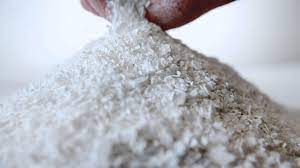
- Table Salt: One of the main dietary sources of chloride is regular table salt.
- Seafood: Fish and shellfish are among the many varieties of seafood that naturally contain chloride.
- Processed Foods: Processed foods, such as canned soups, processed meats, and snacks, frequently have salt (sodium chloride) added to them.
- Dairy Products: Consuming milk and dairy products increases one’s chloride consumption.
Deficiency and Excess
Hypochloremia, or a lack of chloride, is uncommon and typically coexists with other electrolyte abnormalities. Fatigue, thirst, and muscle cramping can all be signs of a deficit. On the other hand, sensitive people who ingest excessive amounts of chloride may develop hypertension, especially if their intake exceeds their nutritional requirements.
Faq’s
What is the Recommended Dietary Allowance (RDA) for chloride?
The RDA for chloride is different for each age and gender. It is 2300 mg/day for adults and children nine years of age and up. The recommended daily allowance (RDA) for children ages 4 to 8 is 1900 mg, whereas the RDA for children ages 1-3 is 1500 mg.
Why is diet-related chloride important?
The body needs chloride to sustain neuronal activity, help with digestion, and maintain fluid equilibrium. It is an essential electrolyte required for several physiological functions.
Which foods typically contain chloride?
Seafood, dairy products, processed meals with additional salt, and table salt (sodium chloride) are common dietary sources of chloride. Several sources influence the daily intake of chloride.
What happens if I don’t consume enough chloride?
Hypochloremia, or a lack of chloride, is uncommon and typically coexists with other electrolyte abnormalities. Muscle spasms, exhaustion, and dehydration are possible symptoms; nevertheless, deficiencies are rare in healthy people who eat a balanced diet.
Is it possible for me to eat too much chloride?
Overconsumption of sodium chloride, or table salt, is usually the cause of excessive chloride intake. When consuming far more than the prescribed amounts or in sensitive individuals, this can lead to elevated blood pressure.
Conclusion
In conclusion, chloride is a necessary mineral to promote nerve function, help with digestion, and maintain fluid equilibrium. For most people, maintaining optimal health means eating a balanced diet with a range of foods and meeting the Recommended Dietary Allowance (RDA) for chloride.
Through comprehension of the function of chloride and guaranteeing sufficient consumption, people can uphold their general health and bodily processes.