Ventolin Syrup is a popular medication used to treat respiratory conditions such as asthma and chronic obstructive pulmonary disease (COPD). This syrup contains the active ingredient salbutamol, which is a bronchodilator that helps to relax the muscles in the airways, making it easier to breathe.
In this blog, we will explore what Ventolin Syrup is, how it works, its uses, dosage, side effects, and precautions.
What is Ventolin Syrup?
Ventolin Syrup is a liquid form of the bronchodilator medication salbutamol, which is also available in tablet and inhaler forms. It is primarily used to relieve symptoms of asthma, such as wheezing, shortness of breath, and tightness in the chest. This medication is suitable for both adults and children who have difficulty using inhalers or prefer a liquid form.
How Does Ventolin Syrup Work?
Salbutamol, the active ingredient in Ventolin Syrup, works by stimulating beta-2 adrenergic receptors in the lungs. This action relaxes the smooth muscles around the airways, allowing them to widen and making it easier to breathe. The bronchodilator effect of salbutamol provides quick relief from acute asthma attacks and helps prevent exercise-induced bronchospasm.
Uses of Ventolin Syrup
Ventolin Syrup is used to:
- Relieve Asthma Symptoms: It helps to alleviate acute asthma symptoms such as wheezing, coughing, and shortness of breath.
- Prevent Exercise-Induced Bronchospasm: It can be taken before exercise to prevent breathing difficulties caused by physical exertion.
- Treat Chronic Obstructive Pulmonary Disease (COPD): It is used to manage symptoms of COPD, including chronic bronchitis and emphysema.
Dosage and Administration
The dosage of Ventolin Syrup depends on the patient’s age, the severity of the condition, and the doctor’s prescription. Generally, the recommended doses are as follows:
- Adults: 2 to 4 mg (5 to 10 ml) three or four times a day.
- Children (2 to 6 years): 1 to 2 mg (2.5 to 5 ml) three or four times a day.
- Children (6 to 12 years): 2 mg (5 ml) three or four times a day.
It is important to follow the doctor’s instructions and not to exceed the prescribed dose. Shake the bottle well before use to ensure the medication is properly mixed.
Side Effects
Like all medications, Ventolin Syrup may cause side effects, although not everyone will experience them. Common side effects include:
- Tremors
- Headache
- Nervousness
- Dizziness
- Palpitations (fast heartbeat)
- Muscle cramps
If you experience severe side effects such as chest pain, irregular heartbeat, or severe allergic reactions (rash, itching, swelling, or difficulty breathing), seek medical attention immediately.
Precautions and Warnings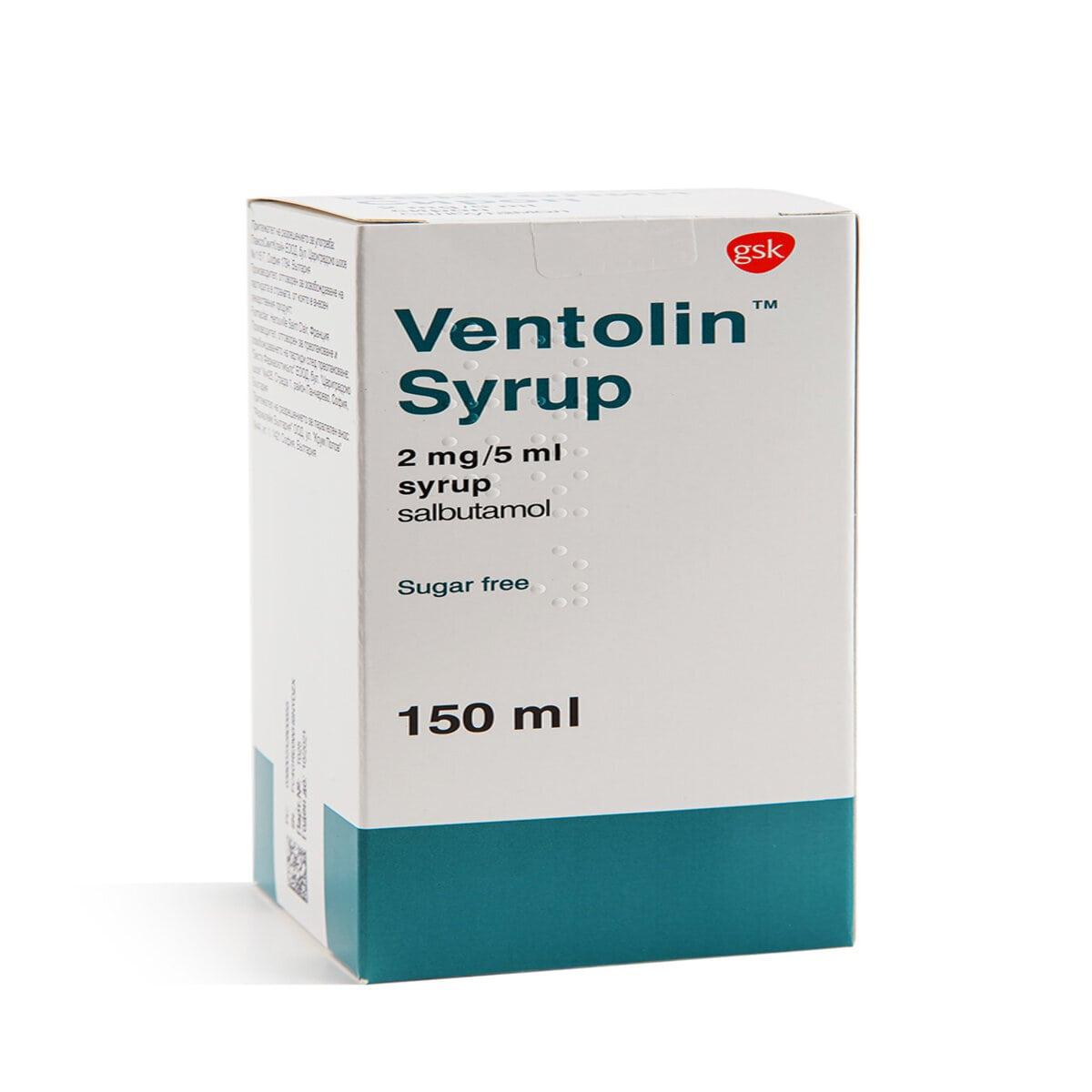
Before using Ventolin Syrup, inform your doctor if you have any of the following conditions:
- Heart problems (e.g., ischemic heart disease, arrhythmias)
- High blood pressure
- Diabetes
- Overactive thyroid (hyperthyroidism)
- History of seizures
Pregnant and breastfeeding women should consult their doctor before using Ventolin Syrup. The medication should be used with caution in patients with a history of allergic reactions to salbutamol or other ingredients in the syrup.
Conclusion
Ventolin Syrup is an effective medication for managing asthma and COPD symptoms. It provides quick relief from acute asthma attacks and helps prevent exercise-induced bronchospasm. However, it is important to use this medication under the guidance of a healthcare professional and to be aware of the potential side effects and precautions.