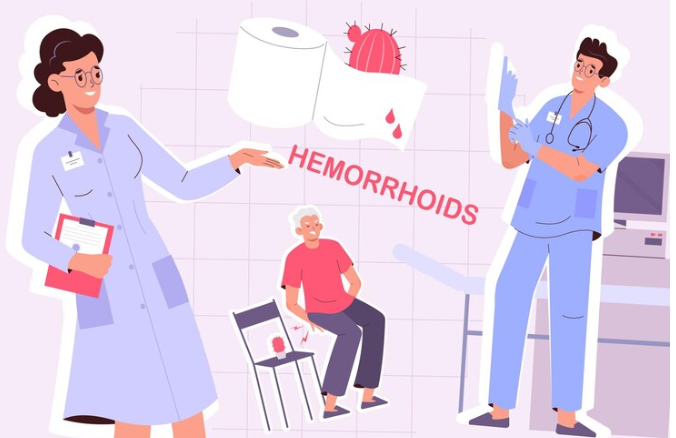
Piles, also known as hemorrhoids, are swollen veins in the lowest part of your rectum and anus. When the walls of these blood vessels stretch, they become irritated. While piles can be painful and uncomfortable, they are often manageable with lifestyle changes, medical treatments, and sometimes, surgical interventions.
Befor reading the full article click here and book appointment: Best Piles Treatment in Delhi
Symptoms of Piles
The symptoms of piles can vary depending on the type and severity. They can be broadly classified into internal and external hemorrhoids.
Internal Hemorrhoids:
- Usually painless unless they prolapse.
- May cause bright red bleeding during bowel movements.
- Can lead to a sensation of incomplete evacuation.
External Hemorrhoids:
- Pain and discomfort, especially during bowel movements.
- Swelling and irritation around the anus.
- Itching or burning sensation.
- Possible formation of a hard lump around the anus due to a blood clot (thrombosed hemorrhoid).
Causes of Piles
Several factors can contribute to the development of piles. These include:
- Chronic Constipation: Straining during bowel movements increases pressure on the veins in the rectal area.
- Chronic Diarrhea: Prolonged diarrhea can also irritate and cause swelling in the rectal veins.
- Aging: As you age, the tissues supporting the veins in your rectum and anus can weaken and stretch.
- Pregnancy: The increased pressure in the pelvic area and hormonal changes during pregnancy can lead to piles.
- Obesity: Excess weight puts additional pressure on the veins in the rectal area.
- Prolonged Sitting: Sitting for long periods, especially on the toilet, can increase the pressure on the veins in the anus.
- Low-fiber Diet: A diet lacking in fiber can lead to constipation and straining during bowel movements.
Diagnosis of Piles
Diagnosing piles typically involves a physical examination and reviewing your medical history. Your doctor may perform:
- Visual Inspection: A doctor will examine the area around your anus to check for external hemorrhoids or signs of internal hemorrhoids.
- Digital Rectal Exam: The doctor inserts a gloved, lubricated finger into your rectum to feel for any unusual growths or hemorrhoids.
- Anoscopy: This involves inserting a small, lighted tube (anoscope) into your rectum to view internal hemorrhoids.
- Proctoscopy: A more extensive examination that allows the doctor to see further into the rectum and the lower part of the colon.
Treatment of Piles
Treatment options for piles depend on the severity and type. They range from lifestyle modifications to medical procedures.
Lifestyle Changes:
- High-Fiber Diet: Include more fruits, vegetables, and whole grains in your diet to soften stool and increase its bulk.
- Hydration: Drink plenty of fluids to help prevent constipation.
- Regular Exercise: Helps improve bowel function and reduce pressure on the veins.
- Avoid Straining: Don’t strain during bowel movements, and go to the toilet when you feel the urge.
Home Remedies:
- Warm Sitz Baths: Soak the anal area in warm water for 10-15 minutes several times a day.
- Topical Treatments: Over-the-counter creams and ointments can reduce pain and inflammation.
- Cold Compresses: Applying cold packs can reduce swelling and discomfort.
Medical Treatments:
- Medications: Pain relievers, creams, or suppositories to reduce symptoms.
- Minimally Invasive Procedures: Such as rubber band ligation, sclerotherapy, or infrared coagulation for internal hemorrhoids.
Surgical Interventions:
- Hemorrhoidectomy: Surgical removal of large or severe hemorrhoids.
- Stapled Hemorrhoidopexy: A less painful alternative to hemorrhoidectomy, which staples the prolapsed hemorrhoid back into place.
Conclusion
Piles, though uncomfortable and sometimes painful, are a common condition that can be managed effectively with appropriate lifestyle changes, home remedies, and medical treatments. If you experience symptoms of piles, it’s important to consult with a healthcare provider for a proper diagnosis and treatment plan. With the right approach, you can alleviate symptoms and improve your quality of life.
If you have any questions or need further assistance, feel free to reach out to your healthcare provider or a specialist in gastrointestinal health
Click for more: