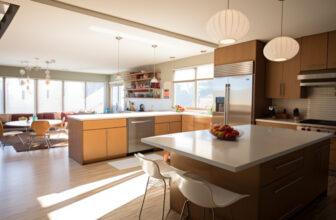
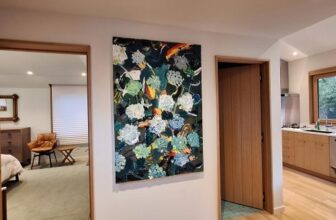
Wood flooring has become a popular choice for homeowners due to its timeless appeal, durability, and natural beauty. With so many types of wooden materials available for flooring, it can be challenging to decide which one suits your needs. In this article, we’ll explore the different wooden materials used for flooring, their characteristics, and the best use cases for each. This guide will help you choose the perfect wood flooring material for your home or office.
Explore premium wooden flooring options at Flooring World.
Types of Wooden Materials Used for Flooring
Each type of wood flooring material has unique features that make it suitable for specific spaces and uses. Let’s take a closer look at the most common types of wood flooring materials:
1. Solid Hardwood
Solid hardwood is one of the most traditional types of wood flooring. It is made from a single piece of natural wood, typically cut into planks and sanded for a smooth finish.
- Pros:
- Highly durable and can last for decades with proper care.
- Can be refinished multiple times, extending its lifespan.
- Adds significant value to your home and provides a classic, elegant look.
- Cons:
- Susceptible to moisture and humidity, which can cause warping.
- Typically more expensive than other types of wood flooring.
- Requires professional installation and periodic maintenance.
Best For: Living rooms, dining rooms, and bedrooms where luxury and longevity are essential.
2. Engineered Wood
Engineered wood flooring is a modern alternative to solid hardwood. It consists of a thin layer of real wood on top of a core made from plywood or high-density fiberboard (HDF). This construction makes it more stable and resistant to moisture than solid wood.
- Pros:
- More resistant to moisture and temperature fluctuations than solid hardwood.
- Provides the same luxurious look as solid wood but at a lower cost.
- Can be installed in areas where solid wood isn’t suitable, such as basements.
- Cons:
- Can only be refinished a limited number of times.
- Slightly less durable than solid wood over the long term.
Best For: Kitchens, basements, and living areas where moisture resistance is important.
Check out engineered wood flooring options at Flooring World.
3. Bamboo Flooring
Bamboo flooring, though technically not a wood, is a popular eco-friendly flooring option. It is made from fast-growing bamboo grass, which is processed to create durable planks.
- Pros:
- Eco-friendly and sustainable due to bamboo’s rapid growth cycle.
- Highly durable and resistant to moisture compared to traditional hardwood.
- Offers a unique, modern look with natural variations in color and texture.
- Cons:
- Limited refinishing options compared to solid hardwood.
- May darken over time when exposed to direct sunlight.
Best For: Living rooms, kitchens, and offices where sustainability and style are important.
4. Laminate Wood Flooring
Laminate flooring is a budget-friendly option that mimics the appearance of real wood. It consists of a photographic layer that replicates wood grain, bonded to a core layer for stability.
- Pros:
- Affordable and easy to install, often with click-lock systems for DIY installation.
- Highly resistant to scratches and wear, making it ideal for high-traffic areas.
- Available in a wide range of designs and colors to suit different styles.
- Cons:
- Cannot be refinished, so damaged planks need replacement.
- Less water-resistant than engineered wood or vinyl flooring.
Best For: Hallways, living rooms, and bedrooms where durability and affordability are key.
5. Reclaimed Wood Flooring
Reclaimed wood flooring is made from salvaged wood, giving old materials new life. It provides a rustic, eco-friendly option with a unique character.
- Pros:
- Eco-friendly option that reduces waste and promotes sustainability.
- Each plank has unique textures and markings, adding character to the space.
- Can be refinished to extend its life and enhance its appearance.
- Cons:
- Availability may be limited, making it harder to find matching planks.
- Requires professional installation and occasional maintenance.
Best For: Rustic-style homes, cabins, and spaces where a unique, vintage look is desired.
Discover more sustainable flooring options at Flooring World.
How to Choose the Right Wooden Flooring for Your Home
Here are some key factors to consider when selecting the perfect wood flooring material for your space:
- Budget: Solid hardwood is more expensive, while laminate and engineered wood offer budget-friendly alternatives.
- Room Type: Use moisture-resistant materials like engineered wood or bamboo in kitchens and basements.
- Maintenance: Solid wood requires more maintenance, while laminate and bamboo are easier to care for.
- Style Preference: Choose a material that complements your decor, whether it’s the rustic charm of reclaimed wood or the sleek look of engineered wood.
- Longevity: For long-term value, consider solid hardwood, which can be refinished multiple times.
Conclusion
Wood flooring materials offer a variety of styles, durability, and functionality to suit different needs. Whether you prefer the timeless elegance of solid hardwood, the affordability of laminate, or the eco-friendly appeal of bamboo, there’s a wood flooring option that’s perfect for your home.
At Flooring World, you’ll find a wide selection of wood flooring materials to transform your space. Explore our collection today to find the perfect flooring solution that matches your style, budget, and functional requirements.
Choose the right wooden flooring and elevate the beauty and comfort of your home!