Most mid-job failures come from planning gaps, not bad luck. A heater rental can be capable, but the job can still collapse if the home is not prepared, the airflow is blocked, or the load is misjudged. Heat treatment is a system, not a single machine. If the setup is rushed, the equipment ends up working harder than it should, temperatures rise unevenly and a shutdown becomes likely. The fix begins with treating preparation as part of the treatment, not an optional step. For bed bug heater rental, visit here.
Power limitations can trip the system without warning
Portable heaters often need stable power to run at a consistent output. If the circuit is overloaded, extension leads are undersized, or the power source is shared with other appliances, the system can fault out mid-run. In many properties, outlets are on the same circuit even when they look separate. What to do next is straightforward. Reduce the draw, split loads across verified circuits and remove non-essential devices from the line. If you are using a generator, confirm it can handle sustained wattage, not just peak capacity.
Airflow problems create hot spots and cold zones
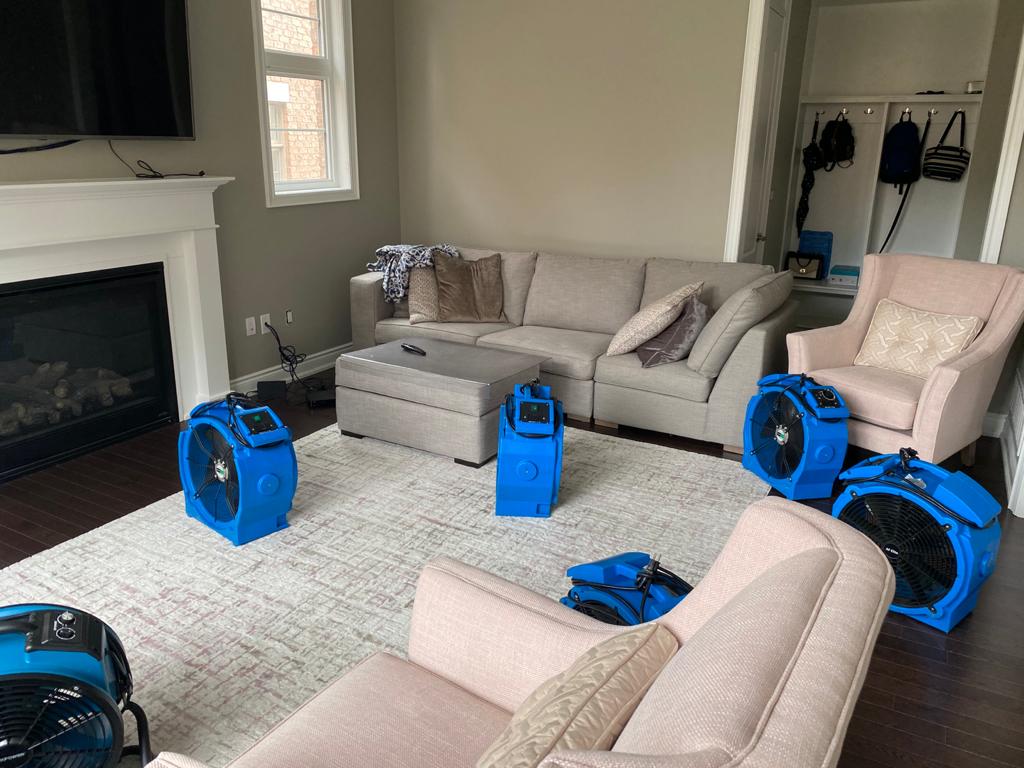
Heaters fail when heat cannot travel. Closed doors, tight clutter, thick piles of clothing and furniture pressed against walls can trap cooler pockets that never reach lethal temperatures. The machine responds by running longer and hotter, which increases stress and may trigger a safety cutoff. To recover mid-job, open pathways, elevate items that block circulation and use fans to move air into corners and under beds. Your goal is uniform heat, not a high number on one thermostat.
Sensor placement errors can lead to false confidence
If sensors are placed near a vent or too close to a heater, they report a temperature that does not represent the room. That creates a situation where the system “thinks” it is done while the hardest-to-heat areas stay below target. It also creates the opposite issue, where a sensor reads too hot and forces a shutdown while other areas are still under heated. Reset by placing sensors in the most difficult zones, such as baseboards, closet floors, mattress seams and behind headboards. Measure where bed bugs hide, not where the air is easiest to heat.
Moisture, insulation and structure can slow the job down
Basements, older homes and rooms with thick insulation or high humidity can absorb heat and delay the ramp-up. The rental unit may appear to struggle, but the structure is acting like a heat sink. When a job stalls, pause and reassess the heat curve. Increase circulation, seal obvious drafts and extend the hold time once the correct temperatures are achieved. Do not chase speed. Chase consistency.
A clear next-step checklist keeps the job under control
When a rental fails mid-job, avoid restarting blindly. First, stop and inspect cables, breakers, filters and airflow. Second, re-stage the room for heat movement and correct sensor locations. Third, restart with a monitored plan that includes ramp time, target ranges and a stable hold period. If you cannot maintain lethal temperatures across all zones, escalate to a professional team that can supply higher-capacity heaters and verified monitoring. The goal is not to “finish the run.” The goal is to finish the elimination.
Author Resource:-
David has over 10 years of experience in writing about different pest control and extermination services. Swift relief from bed bugs is closer than you think. Act today-hire a cheap bed bug exterminator in Nashville instantly. Swift and effective bed bug treatment in Nashville. Visit here for tailored solutions. https://www.nashvillebedbugs.com