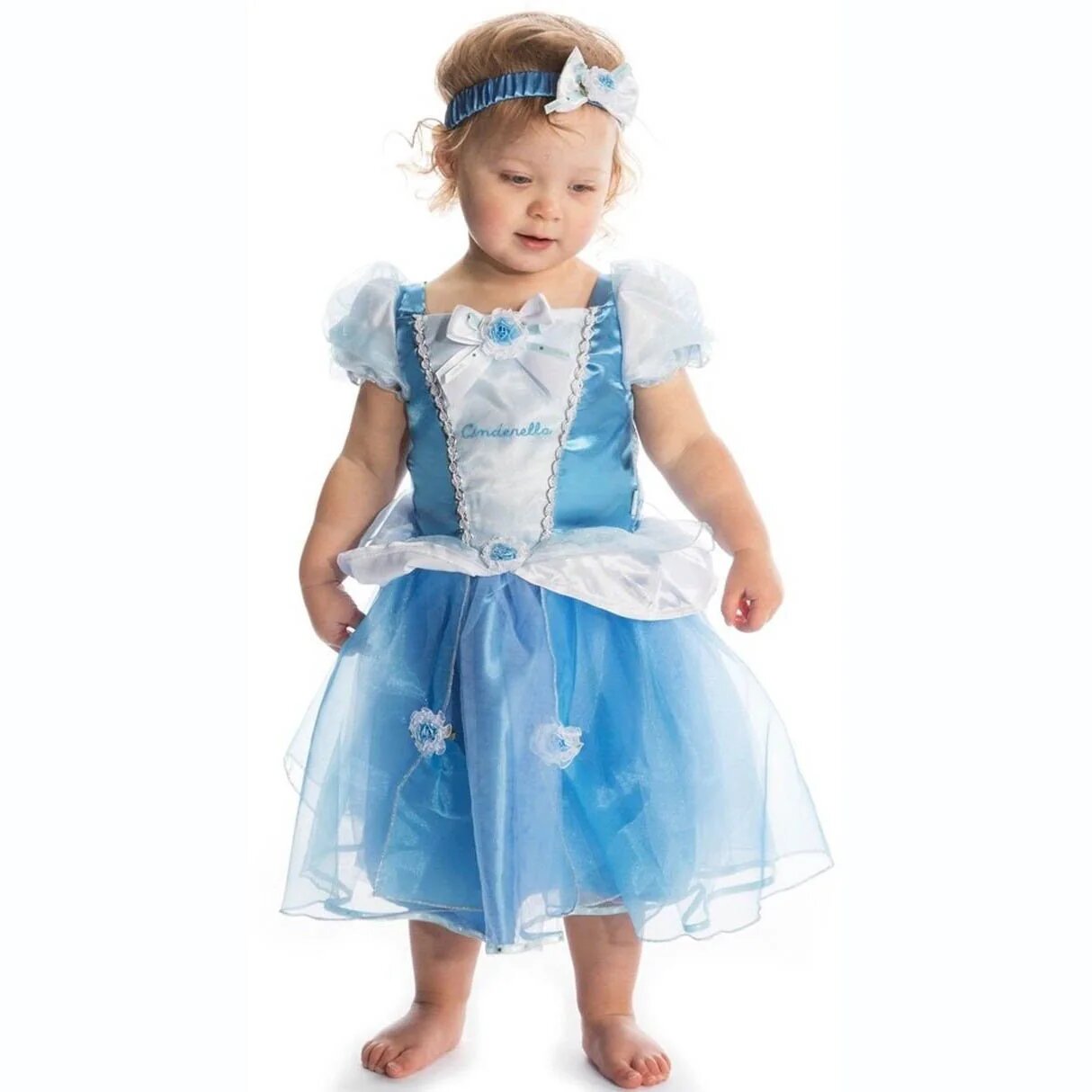
When it comes to choosing clothing for toddlers, comfort is not just an option; it’s a necessity. It influences their mood, their ability to explore the world around them, and ultimately, their overall development. As children navigate the pivotal early years of their lives, the importance of comfortable clothing cannot be overstated. In this article, we will delve into why comfort matters in toddler clothing, explore its implications on daily activities, and provide parents with insights into choosing the best clothing options for their little ones.
The Basics of Toddler Clothing
Before we explore the nuances of comfort, it is crucial to understand the basic principles of toddler clothing. Toddlers are typically defined as children ages one to three years. During this period, children continue to grow rapidly and develop their physical skills, such as walking, running, and climbing. As they discover their environment, clothing plays a significant role in how freely they can engage in these activities.
Anatomy of Comfort
Comfort in toddler clothing can be broken down into several components, including fabric choice, fit, ease of dressing, and style. Each plays an integral role in ensuring toddlers feel free to express themselves and engage in play.
- Fabric Choice: Soft, breathable fabrics such as cotton, bamboo, and modal are ideal for toddlers. These materials are gentle on sensitive skin and allow for proper ventilation, which is especially important during active play. Avoiding synthetic fibers that trap heat can help prevent skin irritation and rashes, ensuring your toddler remains comfortable throughout the day.
- Fit: Clothing that is too tight can restrict movement, making toddlers feel uncomfortable and hinder their ability to explore. On the other hand, clothing that is too loose may not stay in place and could be a tripping hazard. Optimal fit should provide enough room for movement, while still being secure and safe.
- Ease of Dressing: Toddlers are at a stage where they are developing independence, and clothes that are easy to put on and take off promote this skill. Features like elastic waistbands, snap closures, and wide neck openings can make dressing hassle-free for both parents and toddlers.
- Style: While style may not seem essential, it plays a role in a child’s self-expression and comfort. Bright colors and fun patterns can bring joy, while clothing that they perceive as “cool” can boost their confidence.
The Role of Comfort in Daily Activities
The daily lives of toddlers are filled with exploration, play, and learning. Each of these activities requires clothing that supports their natural movements and comfort levels. Let’s break down several common daily activities and discuss how comfort in clothing directly impacts them.
1. Playtime
Play is a fundamental aspect of a toddler’s development. Whether they are building with blocks, climbing on playground equipment, or engaging in imaginative play, the right clothing can enable or inhibit their experience.
- Physical Freedom: When toddlers wear comfortable, breathable clothes, they are free to run, jump, and crawl without restriction. Clothing made from stretchy materials enables them to attempt new physical challenges, which aids in developing gross motor skills.
- Safety: Safety is paramount in toddler clothing. Loose items like drawstrings or accessories can pose risks during adventurous play. Comfort-related design elements, such as reinforced seams and secure closures, ensure that clothing remains intact, allowing children to focus on their creativity without concern for wardrobe malfunctions.
2. Outdoor Activities
Outdoor exploration is essential for toddlers as it exposes them to nature and different environments. Weather-appropriate clothing is crucial in ensuring comfort and safety.
- Temperature Control: In cooler weather, layering with appropriate fabrics allows for warmth without bulkiness. Conversely, light, sun-protective clothing helps keep toddlers cool during warmer months. Parents should look for fabrics that wick moisture and allow air circulation, creating a comfortable outdoor experience.
- Flexibility: When hopping, running, and climbing, toddlers need clothes that won’t restrict their movements. This flexibility enables them to engage in spontaneous outdoor activities, promoting an intrinsic love for exploration.
3. Social Interactions
During playdates or group activities, comfort in clothing can affect how toddlers interact with their peers. When children feel comfortable in their clothes, they are more likely to engage confidently with others, fostering social development.
- Confidence Boost: Trousers or dresses that fit well and feel good can make toddlers feel more self-assured. When children are comfortable, they are more inclined to participate in group games and share their toys, helping them develop crucial social skills.
- Reduced Distractions: Discomfort from itchy seams, restrictive clothing, or ill-fitting shoes can lead to irritability, making toddlers less inclined to interact. By prioritizing comfortable clothing, parents reduce distractions, allowing their children to focus on enjoying their time with friends.
4. Nap and Rest Time
Toddlers need adequate rest for their growth and development. Ensuring comfort during this time extends into clothing choices.
- Relaxation: Pajamas or sleepwear made from soft, breathable materials can help toddlers fall asleep more easily. A cozy sleep environment promotes sound rest, aiding in their physical and cognitive development.
- Less Fussing: Clothing that is comfortable encourages less tossing and turning, leading to more restful sleep. Avoiding buttons, zippers, or tight waistbands helps create an environment conducive to napping and bedtime.
The Emotional Aspect of Comfort
While the physical attributes of comfort are critical, the emotional aspects cannot be overlooked. Clothing choices often reflect personal preferences and even a child’s developing sense of identity.
- Personal Expression: Toddlers are starting to assert their independence and make choices about their attire. Clothing that feels good to them can enhance their sense of autonomy, contributing to positive self-image. Allowing toddlers some say in their clothing choices boosts their confidence and encourages self-expression.
- Associative Comfort: Items such as favorite shirts or pajamas can become attachable objects that provide emotional security. These pieces of clothing may be associated with moments of joy, safety, and comfort, creating a sense of familiarity that helps toddlers navigate new situations.
Tips for Parents: Choosing Comfortable Toddler Clothing
With the understanding of why comfort is paramount in toddler clothing, here are some practical tips for parents when selecting the right outfits for their little ones:
- Prioritize Soft Fabrics: Always opt for materials known for their softness, breathability, and stretchability. Cotton, organic cotton, and bamboo are excellent choices.
- Consider Activities: Think about your child’s daily activities and select clothing that fits their lifestyle. Look for activewear designed specifically for toddlers if they are particularly energetic.
- Sizing Matters: Always refer to size charts and consider that toddlers are continually growing. Opt for slightly looser fits to allow for movement and growth spurts.
- Avoid Complicated Closures: Look for clothing that is easy to put on and take off. Consider outfits that feature zippers, snap buttons, or elastic waistbands for convenience.
- Involve Your Child: Offer your toddler choices to empower them. This can instill a sense of pride in their clothing and help them learn to express their preferences.
- Watch for Wear and Tear: Regularly inspect clothing for any signs of damage, such as loose seams or fabric pilling. Functionality should remain a priority; if clothing hinders movement or causes discomfort, consider replacing it.
- Seasonal Considerations: Adapt clothing options as the seasons change. Layering in cooler months and opting for breathable, sun-safe fabrics in the summer enhances comfort throughout the year.
Conclusion
In conclusion, comfort in toddler clothing is vital for numerous reasons. It enhances physical freedom, promotes safe exploration, fosters social interactions, ensures better rest, and nurtures emotional well-being. Investing in comfortable clothing equips toddlers to engage confidently with their environments, enhancing their overall development. As children navigate the world and discover new experiences, prioritizing comfort in their clothing will support both their physical growth and emotional resilience.