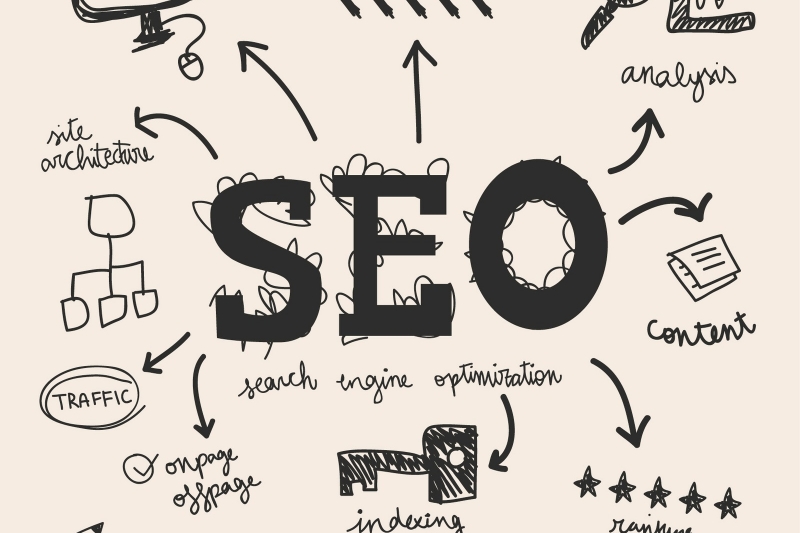
Hey there! If you’re reading this, you’re probably looking to boost your website’s visibility on search engines. Whether you’re a seasoned webmaster or just starting out, SEO (Search Engine Optimization) can seem like a daunting task. But don’t worry, I’ve got your back! In this blog post, we’ll explore ten actionable SEO tips that will help you rank higher on search engines and attract more organic traffic. So, grab a cup of coffee, and let’s get started!
1. Conduct Thorough Keyword Research
Keywords are the foundation of SEO. Start by identifying the keywords and phrases your target audience is searching for. Use some keyword research tools like Google Keyword Planner, Ahrefs, or SEMrush to find relevant keywords with high search volume and low competition. Incorporate these keywords naturally into your content, titles, and meta descriptions.
For example, if you run a travel blog, you might find that “best travel destinations 2024” is a high-volume keyword. Use it in your blog titles, headers, and throughout your content to attract readers searching for travel inspiration.
2. Optimize Your On-Page SEO
On-page SEO involves optimizing individual pages to rank higher and earn more relevant traffic. This includes using your target keywords in strategic places like the title tag, meta description, headers, and throughout the content. Ensure your content is well-structured with clear headings and subheadings.
Additionally, make sure your URLs are clean and descriptive. For instance, instead of a URL like “www.example.com/page1,” use “www.example.com/best-travel-destinations-2024” to make it clear and keyword-rich.
3. Create High-Quality Content
Content is king in the world of SEO. Focus on creating valuable, informative, and engaging content that addresses the needs and interests of your audience. High-quality content is more likely to be shared and linked to, which can significantly boost your SEO efforts.
Consider adding multimedia elements like images, videos, and infographics to make your content more engaging. For example, a blog post about travel destinations can include beautiful photos, travel vlogs, and interactive maps.
4. Improve Your Site’s User Experience (UX)
A positive user experience is crucial for SEO. Ensure your website is easy to navigate, mobile-friendly, and fast-loading. Google considers user experience as a ranking factor, so a well-designed site can improve your search engine rankings.
To enhance UX, use a clean and responsive design, intuitive navigation menus, and ensure your site loads quickly. Tools like Google PageSpeed Insights can help you identify and fix performance issues.