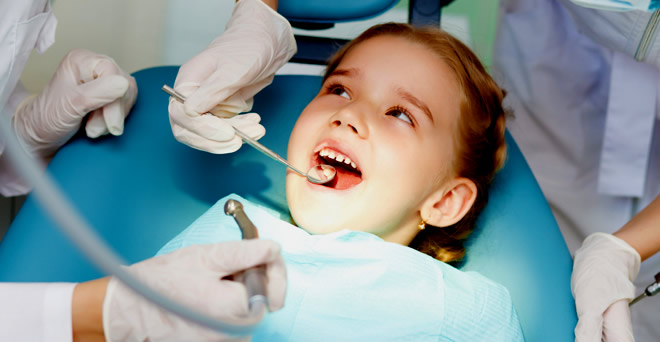
Ensuring that children maintain good oral health is one of the most important aspects of their overall well-being. While brushing and flossing at home play a key role, regular visits to the dentist are equally essential in establishing a solid foundation for a lifetime of healthy teeth and gums. Early dental care is not only about treating problems but also about preventing them before they arise. In this blog, we’ll explore why early visits to the dentist are crucial for children and how they set the stage for lifelong oral health.
The Importance of Starting Early with Dental Visits
Many parents wonder when to take their child to the dentist for the first time. The American Dental Association (ADA) and the Indian Dental Association (IDA) recommend that children have their first dental visit by the age of one or within six months after their first tooth appears. While this may seem early, it’s a proactive step in ensuring that your child’s oral health is on track right from the beginning.
Early visits to the dentist allow for the detection of potential issues before they become serious problems. A dentist can assess your child’s developing teeth, gums, and mouth and guide proper oral care practices at home. This early start can prevent cavities, gum disease, and other oral health problems affecting your child’s overall health.
Prevention of Early Childhood Cavities
One of the most common oral health problems in young children is early childhood cavities, also known as baby bottle tooth decay. This occurs when a child’s teeth are frequently exposed to sugary liquids such as milk, formula, or juice, leading to decay.
At an early dental visit, your dentist can advise on preventing cavities by focusing on good habits, such as avoiding prolonged bottle use and ensuring your child doesn’t go to bed with a bottle. Dentists can also apply fluoride treatments to strengthen your child’s teeth and recommend dental sealants to protect the molars from decay.
Early dental check-ups are vital in catching cavities in their initial stages, avoiding more extensive later treatments, such as fillings or extractions.
Monitoring Tooth Development and Alignment
Children’s teeth and jawbones develop rapidly, and early dental visits help ensure everything progresses. Dentists monitor the eruption of primary (baby) teeth and check for any signs of alignment issues, overcrowding, or bite problems.
Early detection of these issues allows for timely intervention, which may involve orthodontic treatment to guide the teeth into the correct position as they grow. Addressing these problems early can save time, money, and discomfort, as more severe orthodontic issues may require braces or other corrective measures if left untreated.
Establishing Good Oral Hygiene Habits
Early dental visits provide an excellent opportunity for children and parents to learn about proper oral hygiene. Teaching children how to brush and floss correctly from a young age can significantly reduce the risk of cavities and gum disease as they grow.
Dentists can demonstrate the correct brushing techniques and recommend the best toothbrushes and toothpaste for children. They can also offer tips on making oral hygiene fun and engaging for kids, encouraging them to take responsibility for their dental care. Establishing these habits early sets the stage for a lifetime of good oral health practices.
Building a Positive Relationship with the Dentist
For many children (and even some adults), visiting the dentist can be an intimidating experience. However, when children visit the dentist at an early age, they become familiar with the dental office environment, the procedures, and the staff. This helps build a positive relationship between the child and the dentist, reducing fear and anxiety over time.
During early visits, the dentist typically conducts a gentle examination and cleaning, which is painless and non-invasive. These early experiences help children feel more comfortable and confident, making future visits less stressful and more routine.
Building trust with the dentist makes children more likely to continue regular dental visits into adulthood, ensuring their oral health is consistently monitored and maintained.
Addressing Oral Health Habits and Challenges Specific to Children
Children can develop certain habits affecting their oral health, such as thumb-sucking, tongue-thrusting, or prolonged pacifier use. If left unchecked, these habits can lead to dental issues such as misaligned teeth, bite problems, or changes in the shape of the mouth.
During early dental visits, the dentist can identify any habits that may harm your child’s oral development and offer advice on how to curb them. In cases where intervention is needed, the dentist can recommend strategies or treatments to correct these behaviors before they cause long-term damage.
The Role of Diet in Oral Health
A healthy diet is critical to maintaining strong, healthy teeth. Children are often exposed to sugary foods and drinks, which can increase the risk of cavities. Early dental visits allow parents to learn about the role of nutrition in their child’s oral health.
Dentists can advise on foods promoting healthy teeth, such as fruits, vegetables, dairy products, and water while limiting sugary snacks and drinks. By educating parents and children about the connection between diet and oral health, dentists can help prevent tooth decay and other diet-related dental issues. If you have concerns about your dental care in bistupur, we’re here to help. Reach out to Omkarananda Dental Care for expert guidance from a trusted dentist in Bistupur. Contact us now!
Emergency Preparedness and First Aid for Oral Injuries
Children are naturally active, and accidents such as falls, bumps, or sports-related injuries can lead to dental trauma. Early dental visits teach parents how to handle dental emergencies, such as knocked-out teeth, chipped teeth, or oral injuries.
A dentist can give parents first aid tips and explain what to do in an emergency, ensuring they are prepared to respond quickly and appropriately. Prompt action can often save a tooth or prevent further complications.
Promoting Overall Health and Well-Being
Oral health is closely connected to overall health. Untreated dental problems, such as cavities or gum disease, can lead to infections and other serious health issues that affect your child’s general well-being. Regular dental visits ensure that your child’s teeth and gums are healthy and contribute to their overall health by preventing the spread of infections or other complications.
Moreover, a healthy smile can boost your child’s self-esteem and confidence. Early dental care helps children feel good about their appearance and reinforces the importance of caring for their health from a young age.
Conclusion: Setting the Foundation for Lifelong Oral Health
Early visits to the dentist are more than just a check-up they are an investment in your child’s long-term oral health and well-being. Starting dental care early can prevent common oral health problems, establish good oral hygiene habits, and ensure that your child’s teeth and mouth develop properly.
Regular dental visits and good home care practices set the foundation for a lifetime of healthy smiles. So, if you haven’t already, it’s time to make that first appointment with the dentist and take the first step toward protecting your child’s oral health for years to come.