


Introduction
Internal orders in SAP FICO play a crucial role in tracking, managing, and controlling costs associated with specific projects, tasks, or short-term activities within an organization. They serve as temporary cost objects, allowing businesses to monitor expenses separately from regular cost centers or profit centers. This capability is especially useful for one-time initiatives such as marketing campaigns, repairs, or special events. Internal orders help improve cost transparency, ensure accurate reporting, and facilitate cost allocation and settlement. By offering detailed tracking, they empower organizations to make informed financial decisions and maintain better control over project-related expenditures. One can check the SAP FICO Course Fees and join a training course for the best skill development.
What Is SAP FICO?
SAP FICO (Financial Accounting and Controlling) is a core module in SAP ERP systems, designed to help organizations manage and monitor financial transactions. It integrates financial data with business processes to provide a comprehensive overview of the company’s financial condition.
Financial Accounting (FI) focuses on external reporting, including balance sheets, profit & loss statements, and financial statements. It ensures compliance with accounting standards and regulatory requirements.
Controlling (CO), on the other hand, deals with internal reporting and helps in managing and optimizing costs and operations. It includes cost center accounting, internal orders, profitability analysis, and cost element accounting.
Together, SAP FICO enables organizations to track financial activities, generate reports for decision-making, and improve financial processes through automation. It is essential for both accounting and management teams to gain insights into the company’s financial performance.
Internal Orders in SAP FICO
In SAP FICO, Internal Orders are used to monitor costs and, in some cases, revenues within an organization. They act as temporary cost objects used for tracking specific tasks, projects, or events, allowing businesses to monitor the associated expenses separately from the main cost centers or profit centers. Internal orders are particularly useful for managing short-term or one-time activities like marketing campaigns, R&D projects, or maintenance work. Various tutorials on Sap Fico Introduction will help you learn more.
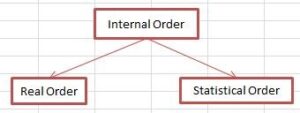
There are two main types of internal orders:
- Real Internal Orders: These are used for actual cost monitoring and can settle costs to other cost objects, such as cost centers, projects, or assets.
- Statistical Internal Orders: These are used for reporting purposes only and cannot settle costs. They are often used for analysing specific activities without affecting the company’s actual accounting.
Once the internal order is completed, the costs can be settled (allocated) to other cost objects like cost centers, profit centers, or projects. This process ensures that expenses are captured in the appropriate area of the business for financial reporting and analysis. Internal orders provide granular tracking and reporting for better cost management and budgeting. The SAP FICO Course Fees are nominal, and ensure the best learning opportunity for aspiring professionals.
Why Are Internal Orders in SAP FICO Relevant?
Internal orders in SAP FICO are highly relevant because they enable detailed tracking, monitoring, and controlling of costs associated with specific tasks, projects, or short-term initiatives within an organization. Their significance lies in providing a focused and structured way to manage costs that may not fit within the regular cost center structure, making them a vital tool for effective cost management and project accounting.
Key Reasons for Their Relevance:
- Detailed Cost Tracking: Internal orders allow businesses to track costs for specific activities such as events, repairs, or marketing campaigns. This ensures that every expense associated with a project is captured separately, giving a clear view of the total cost involved.
- Temporary Cost Assignment: Internal orders are ideal for temporary or one-time projects, helping organizations manage costs that don’t belong to long-term cost centers or profit centers. This temporary assignment of costs provides flexibility in financial management, making it easier to handle non-recurring or project-specific expenses.
- Better Cost Control and Reporting: By using internal orders, businesses can monitor and control project-related costs effectively. These orders also provide detailed reports on how resources are being utilized, enabling managers to make informed decisions regarding budgeting and resource allocation.
- Cost Allocation and Settlement: Once an internal order’s objective is fulfilled, the costs are settled (allocated) to other cost objects, such as cost centers, profit centers, or assets. This helps ensure that project expenses are accounted for correctly in the organization’s financial statements.
- Enhanced Transparency: Internal orders improve transparency in financial operations by offering a detailed breakdown of project-specific expenses. This transparency aids management in evaluating project performance and cost efficiency.
Thus, internal orders in SAP FICO offer businesses a powerful tool to manage costs for specific activities, leading to improved financial control, accurate reporting, and better decision-making. Refer to the Sap Fico Introduction to learn more about Internal Orders in SAP.
Conclusion
To summarise, Internal orders in SAP FICO are essential for tracking and managing project-specific or temporary costs within an organization. They provide detailed cost monitoring, better financial control, and transparency, ensuring that project expenses are accurately captured and reported. By enabling cost allocation and settlement to appropriate cost objects, internal orders help businesses maintain efficient financial management and support informed decision-making for project performance and budgeting.


