Top Four Exercises to Relieve Hernia Discomfort Safely
 drgooddeed
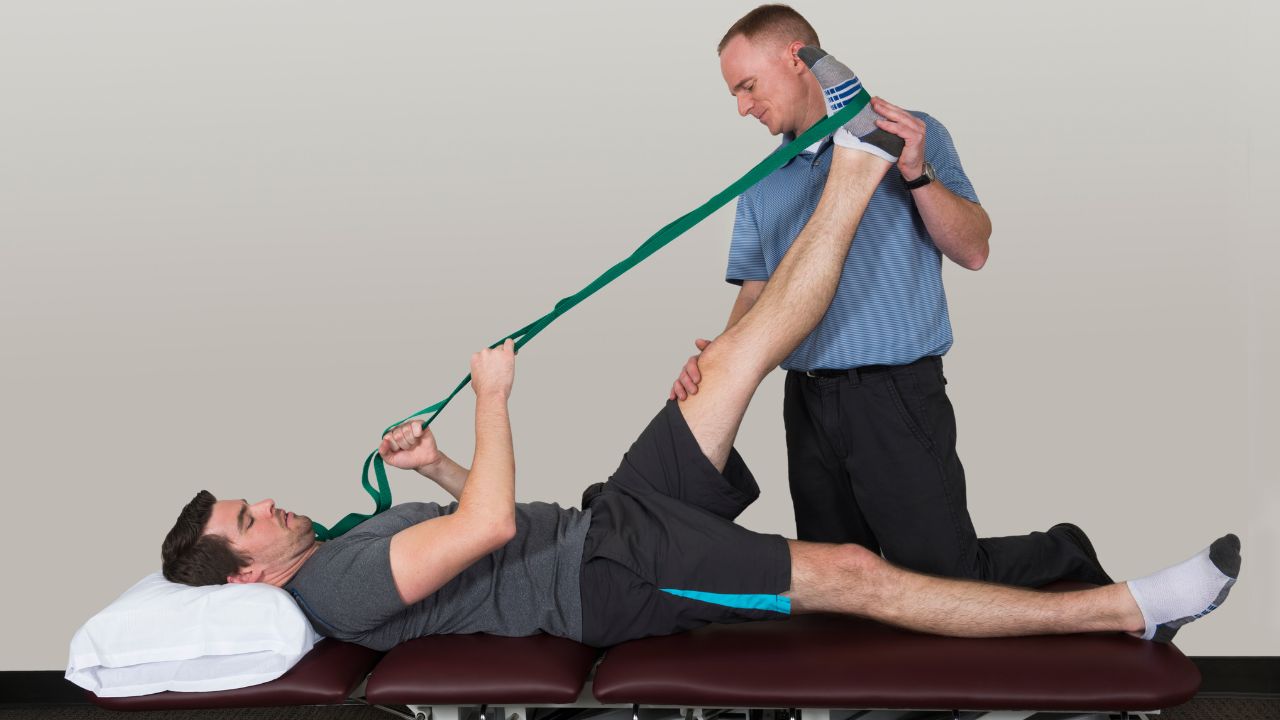
A hernia occurs when an internal organ or tissue pushes through a weakened area in the muscle, causing discomfort and sometimes pain. Whether you’ve had surgery or are managing a hernia through conservative treatment, engaging in safe and effective exercises is essential for reducing discomfort, strengthening the core, and improving overall well-being. However, it’s important to choose exercises that do not strain the affected area, as certain movements can worsen the hernia or delay recovery.
In this blog, we’ll explore the top four exercises to relieve hernia discomfort safely, focusing on gentle, core-strengthening movements that help alleviate symptoms. We’ll also highlight the importance of hydration during exercise, ensuring your body stays supported as you work to relieve hernia discomfort.
Why Exercise Matters for Hernia Relief
Exercise plays a key role in strengthening the muscles around the hernia, particularly the core muscles. Stronger muscles help provide additional support, reducing the risk of the hernia worsening and alleviating discomfort. However, it’s crucial to approach exercise cautiously. High-intensity exercises or those that put pressure on the abdomen can aggravate the hernia, so focusing on low-impact, safe exercises is the best approach.
Before starting any exercise routine, consult your healthcare provider to ensure that the exercises are appropriate for your condition. If you experience pain or discomfort during any of these exercises, stop immediately and seek medical advice.
1. Pelvic Tilts
Pelvic tilts are one of the best exercises to relieve hernia discomfort safely because they gently engage the core muscles without putting strain on the abdominal wall. This simple yet effective movement can help improve core stability and reduce the likelihood of hernia progression.
- How to Perform Pelvic Tilts:
- Lie flat on your back with your knees bent and your feet flat on the floor.
- Tighten your abdominal muscles and tilt your pelvis slightly upward, pressing your lower back into the floor.
- Hold the position for a few seconds, then release and return to the starting position.
- Repeat the movement 10-15 times.
Pelvic tilts help strengthen the muscles around the hernia site without causing pressure, making them a great exercise for hernia patients.
2. Leg Slides
Leg slides are a gentle core exercise that engages the lower abdominal muscles while maintaining support for the lower back. This exercise helps relieve hernia discomfort by strengthening the core muscles in a controlled manner.
- How to Perform Leg Slides:
- Lie on your back with your knees bent and feet flat on the floor.
- Slowly slide one foot out, extending your leg straight along the floor.
- Keep your core engaged throughout the movement to avoid straining the abdominal area.
- Slide your leg back to the starting position and switch to the other leg.
- Perform 10-12 repetitions on each leg.
Leg slides allow you to engage the core muscles without putting pressure on the hernia, making them a safe option for relieving discomfort.
3. Bridge Pose
The bridge pose is an excellent exercise for strengthening the core, glutes, and lower back muscles. It provides support to the abdominal area while gently engaging the muscles surrounding the hernia. This exercise can help reduce the pressure that contributes to hernia discomfort.
- How to Perform Bridge Pose:
- Lie on your back with your knees bent and feet flat on the floor.
- Slowly lift your hips off the ground, creating a straight line from your shoulders to your knees.
- Keep your core engaged and avoid arching your back too much.
- Hold the position for a few seconds, then slowly lower your hips back to the ground.
- Repeat the movement 10-12 times.
The bridge pose is ideal for hernia patients because it strengthens key muscles without putting strain on the hernia itself.
4. Seated Marching
Seated marching helps build core strength while offering support to the lower back and abdomen. This exercise is particularly effective for those managing hernia discomfort because it targets the core muscles without direct pressure on the abdominal area.
- How to Perform Seated Marching:
- Sit on a chair with your feet flat on the ground.
- Lift one knee toward your chest while keeping your abdominal muscles engaged.
- Lower your leg and repeat with the other knee.
- Perform 10-15 repetitions for each leg.
This low-impact exercise helps relieve discomfort and strengthens the muscles surrounding the hernia site, making it one of the safest exercises to relieve hernia discomfort safely.
For more exercise suggestions, check out the Best Exercises For Hernia Patients.
Exercises to Avoid with a Hernia
While exercising is beneficial, certain exercises can worsen hernia symptoms or put you at risk of further injury. Avoid high-impact or strenuous exercises that place direct pressure on the abdominal area. Some of these exercises include:
- Heavy lifting: Lifting heavy weights, especially over your head, can increase intra-abdominal pressure and strain the hernia.
- Sit-ups and crunches: These movements can directly stress the abdominal wall, making the hernia worse.
- High-impact activities: Running, jumping, or other high-impact exercises can increase abdominal pressure and aggravate the hernia.
- Twisting motions: Exercises that involve twisting the torso can also place too much pressure on the abdominal muscles and should be avoided.
It’s essential to listen to your body and avoid any exercises that cause pain or discomfort in the hernia area.
The Role of Hydration in Managing Hernia Discomfort
Staying hydrated is crucial when managing hernia discomfort, particularly when exercising. Proper hydration ensures that your muscles function optimally, supports digestion, and prevents dehydration, which can exacerbate hernia symptoms.
Why Hydration is Important for Hernia Patients:
- Supports Muscle Function: Proper hydration helps keep your muscles flexible and reduces the risk of muscle strain during exercise.
- Aids Digestion: Constipation and straining during bowel movements can worsen hernia symptoms. Drinking enough water helps keep your digestive system running smoothly, reducing the need to strain.
- Prevents Dehydration: When you’re dehydrated, your body can feel more fatigued, and you may be more prone to muscle cramps, making exercise more difficult.
For hernia patients, staying hydrated is just as important as selecting the right exercises. Drinking water before, during, and after exercise can support overall health and reduce the likelihood of exacerbating hernia symptoms.
Tips for Safe Exercise with a Hernia
To ensure that you’re exercising safely with a hernia, consider the following tips:
- Start Slow: Begin with gentle exercises that don’t strain your abdominal muscles. Gradually increase the intensity as your core strength improves.
- Focus on Form: Proper form is crucial in preventing injury. Work with a fitness professional or physical therapist to ensure you’re performing exercises correctly.
- Listen to Your Body: If you feel any pain or discomfort while exercising, stop immediately and consult your doctor.
- Avoid High-Impact Movements: Stick to low-impact exercises that strengthen your core without putting direct pressure on the hernia.
- Stay Consistent: Regular exercise, even if it’s gentle, can help improve core strength and reduce hernia discomfort over time.
Conclusion
Finding safe and effective exercises to relieve hernia discomfort safely is key to managing hernia symptoms and strengthening the core muscles. The top four exercises mentioned—pelvic tilts, leg slides, bridge pose, and seated marching—are low-impact, gentle movements designed to help alleviate hernia discomfort without risking further injury.
Remember, hydration plays an essential role in keeping your body functioning optimally during exercise and in promoting a healthy recovery. By staying hydrated, listening to your body, and following a safe exercise routine, you can help relieve hernia discomfort and improve overall health.