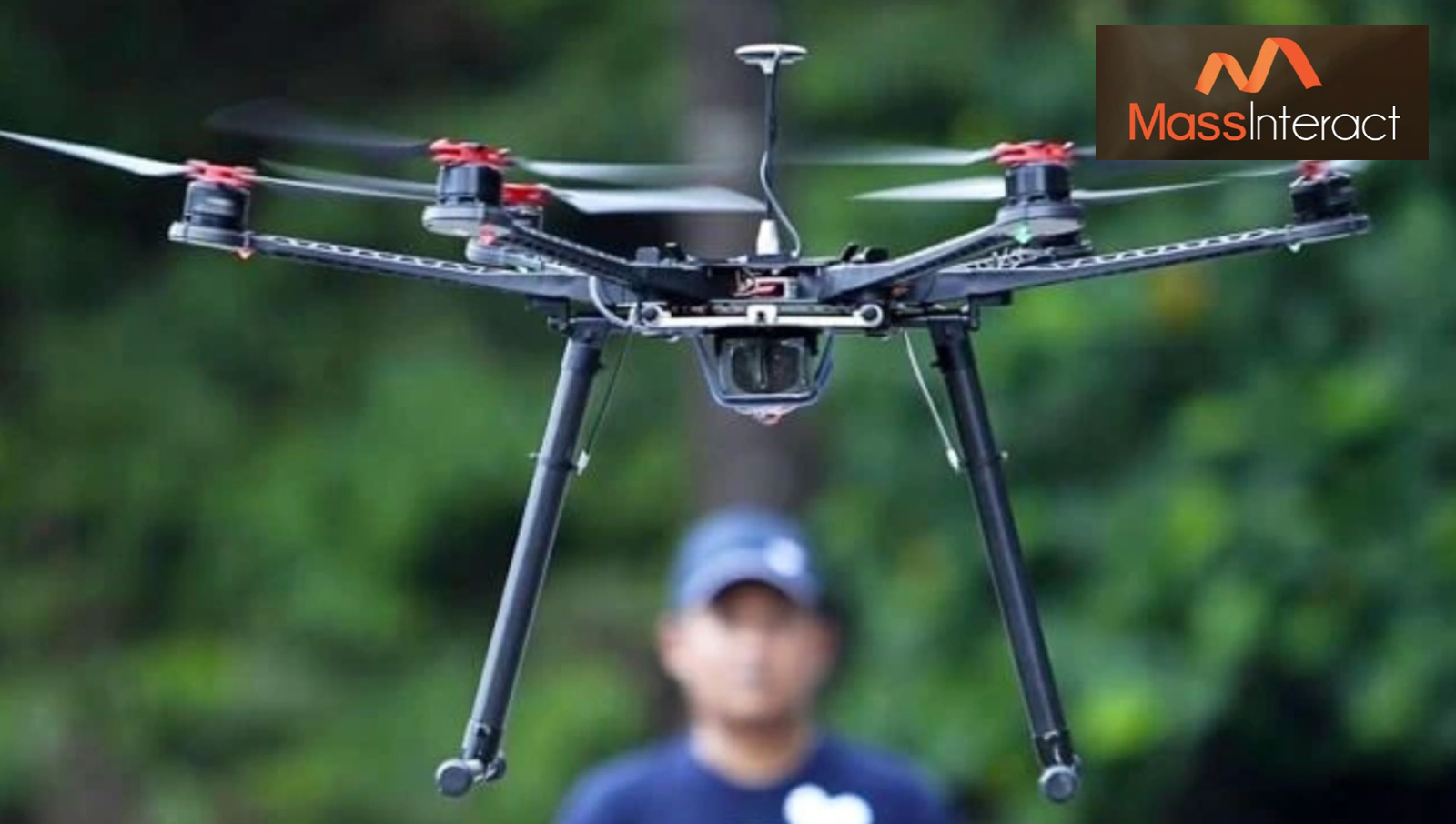
In the realm of visual storytelling, innovation knows no bounds. From the earliest days of black-and-white film to the digital age of high-definition photography, artists have continually pushed the boundaries of creativity and imagination. One such innovation that is revolutionizing the way we perceive and interact with images is 360 degree photography. Offering viewers a panoramic view of their surroundings, 360 degree photography invites them to immerse themselves in the scene, exploring every detail from every angle.
Breaking Boundaries with 360 Degree Photography:
At its core, 360 degree photography captures a scene in its entirety, allowing viewers to look in any direction they choose. Whether capturing majestic landscapes, bustling cityscapes, or intimate interiors, this immersive medium offers a new way of experiencing the world around us. By stitching together multiple images taken from different perspectives, photographers create seamless panoramas that transport viewers to the heart of the action, blurring the line between observer and participant.
A Window into New Worlds:
One of the most compelling aspects of 360 degree photography is its ability to transport viewers to places they may never have the opportunity to visit in person. From remote natural wonders to iconic landmarks, 360-degree images offer a glimpse into worlds both near and far, fostering a sense of connection and curiosity. Whether exploring the depths of the ocean, the heights of the Himalayas, or the streets of a distant city, viewers can embark on a virtual journey of discovery from the comfort of their own homes.
Interactive Exploration:
What sets 360 degree photography apart is its interactivity. Unlike traditional photographs, which offer a fixed perspective, 360-degree images allow viewers to control their viewpoint, zooming in on details, panning across the scenery, and even navigating through virtual environments. This level of immersion transforms passive observation into active exploration, empowering viewers to engage with the scene in a way that is uniquely their own.
Applications Across Industries:
360-degree photography has applications across a wide range of industries, from tourism and hospitality to real estate and education. Travel companies use immersive panoramas to showcase destinations, enticing potential visitors with stunning vistas and enticing landscapes. Real estate agents leverage 360-degree tours to give prospective buyers a comprehensive view of properties, allowing them to explore every room and corner before making a decision.
The Future of Visual Storytelling:
As technology continues to evolve, the future of 360-degree photography promises even greater possibilities. Advancements in camera technology, virtual reality, and interactive software will make immersive experiences more lifelike and accessible than ever before. From virtual museum tours to interactive documentaries, the potential for 360-degree photography to educate, inspire, and entertain is virtually limitless.
In conclusion, 360 degree photography offers a new perspective on the world, inviting viewers to explore, engage, and experience scenes in a way that was once unimaginable. With its immersive panoramas, interactive capabilities, and boundless potential, this innovative medium is redefining the way we perceive and interact with images. As technology continues to advance, the horizon for 360-degree photography is as vast and expansive as the landscapes it captures.