


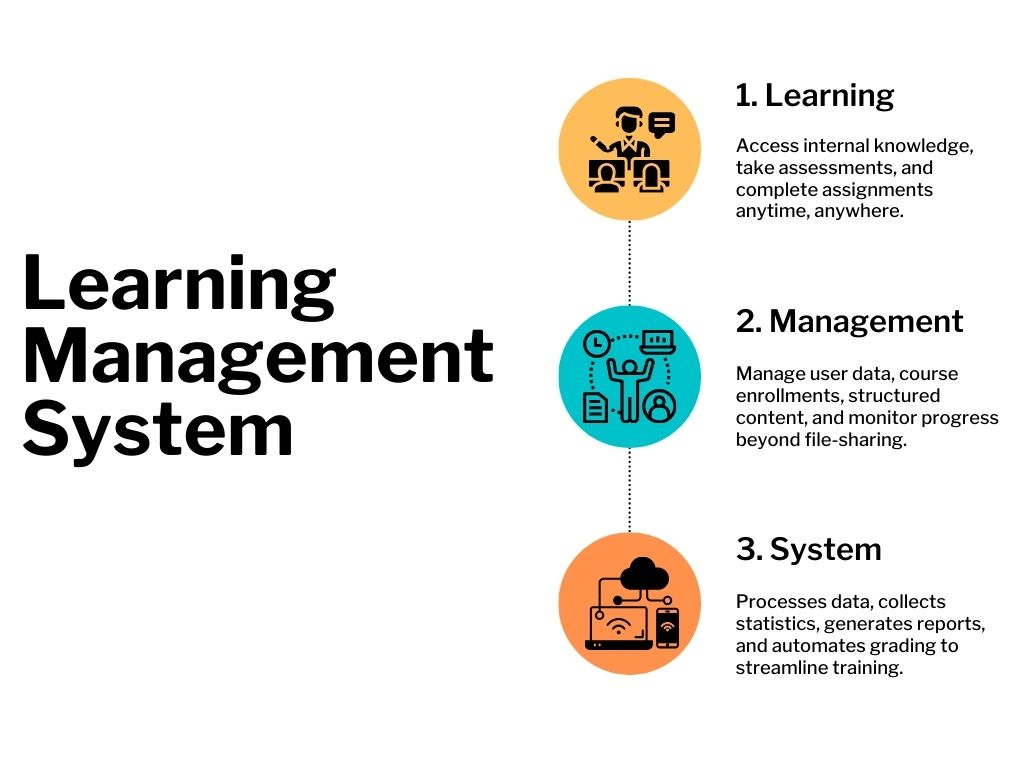
In today’s rapidly evolving regulatory landscape, compliance training has become a critical component of organizational success. Utilizing a Learning Management System (LMS) for compliance training not only streamlines the process but also enhances the learning experience for employees. This article will explore best practices for implementing compliance training using LMS solutions, ensuring that organizations can meet legal requirements while fostering a culture of continuous learning.
Understanding the Importance of Compliance Training
Compliance training is essential for educating employees about the laws, regulations, and policies that govern their work environment. It helps organizations mitigate risks associated with non-compliance, which can lead to legal penalties, financial losses, and reputational damage. By integrating compliance training into an HR learning management system, organizations can ensure that all employees receive consistent and up-to-date information.
Using an LMS for customer training further enhances the effectiveness of compliance initiatives. Customers need to understand how to use products and services within legal frameworks, making it crucial for companies to provide clear and accessible training materials. An effective compliance training LMS not only aids in knowledge retention but also ensures that employees are prepared to handle various situations responsibly.
Selecting the Right LMS Solutions
Choosing the right LMS solutions is vital for successful compliance training implementation. Organizations should look for features that facilitate effective learning and tracking. Key functionalities to consider include:
- Automated Reminders: An LMS can send automated notifications to remind employees about upcoming compliance training deadlines or recertification requirements.
- Comprehensive Reporting: A robust reporting system allows organizations to track employee progress, completion rates, and assessment scores, ensuring that all necessary training is completed on time.
- Mobile Accessibility: Employees should be able to access training materials from any device, enabling them to learn at their convenience.
These features not only enhance the user experience but also ensure that organizations stay compliant with industry regulations.
Designing Engaging Compliance Training Content
The content delivered through your compliance training LMS should be engaging and relevant. To achieve this, organizations should focus on creating interactive learning experiences. Here are some best practices:
- Use Multimedia Elements: Incorporate videos, infographics, and quizzes to make learning more engaging. This variety caters to different learning styles and helps maintain interest throughout the training process.
- Microlearning Modules: Break down complex topics into bite-sized modules that are easier to digest. Microlearning promotes better retention of information while allowing employees to fit learning into their busy schedules.
- Real-World Scenarios: Use case studies and real-life scenarios to illustrate the importance of compliance in daily operations. This approach helps learners understand how regulations apply in practical situations.
By designing engaging content, organizations can enhance knowledge retention and ensure that employees remain committed to completing their compliance training.
Implementing Your Compliance Training LMS
Implementing an LMS for sales training or general compliance requires careful planning and execution. Here are key steps to ensure a successful rollout:
- Conduct a Needs Assessment: Identify specific compliance requirements relevant to your industry and organization. Understand what knowledge gaps exist among employees and tailor your training accordingly.
- Customize Your LMS: Personalize the platform with your branding and specific content needs. This customization ensures that employees feel connected to the training material.
- Pilot Testing: Before a full rollout, conduct a pilot test with a small group of employees. Gather feedback on user experience and content effectiveness to make necessary adjustments.
- Provide Training for Administrators: Ensure that those managing the LMS are well-trained on its features and functionalities. This knowledge is crucial for effective implementation and ongoing support.
- Monitor Progress Regularly: Utilize built-in analytics tools within the LMS to track employee progress and engagement levels continuously. Regular monitoring allows you to identify areas where additional support may be needed.
Measuring Success: Key Performance Indicators (KPIs)
To assess the effectiveness of your compliance training program implemented through an LMS, establish clear KPIs aligned with your business objectives:
- Completion Rates: Track how many employees complete their assigned courses within specified timeframes.
- Assessment Scores: Monitor test scores to gauge knowledge retention.
- Engagement Metrics: Measure participation levels in various training programs.
- Reduction in Compliance Violations: Analyze changes in compliance-related incidents before and after implementing the LMS.
Regularly reviewing these metrics will help you evaluate whether your compliance training initiatives are meeting their intended goals.
Enhancing Employee Engagement Through Continuous Learning
An effective compliance training program should not be a one-time event; it should promote continuous learning among employees. Encourage them to explore additional resources beyond mandatory courses by providing access to ongoing education opportunities related to compliance topics.
Consider implementing features such as discussion forums or peer-to-peer learning opportunities where employees can share insights or ask questions about specific challenges they face in their roles. This collaborative approach fosters a culture of learning that enhances overall engagement with compliance initiatives.
Additionally, recognize achievements publicly within your organization when employees complete their compliance courses or earn certifications. Celebrating these milestones can motivate others to participate actively in their own development journeys.
Conclusion
Implementing best practices for compliance training using LMS solutions is essential for organizations looking to foster a culture of accountability while minimizing risks associated with non-compliance. By selecting suitable LMS solutions tailored for compliance needs, designing engaging content, monitoring progress effectively, and promoting continuous learning, organizations can create a robust framework that empowers their workforce to excel in understanding regulatory requirements.
As corporate trainers or HR professionals, it’s crucial to view compliance training as an opportunity rather than a burden. Embrace this chance not only as a means of meeting legal obligations but also as a way to enhance employee engagement and build a more informed workforce capable of navigating complex regulatory landscapes effectively. By doing so, organizations will not only protect themselves from potential liabilities but also cultivate an environment where ethical behavior is prioritized, ultimately leading to long-term success.


