The History and Evolution of IoT: How We Got to a World of Smart Devices
Introduction
Today, there are billions of smart devices around us, from phones to home gadgets. But how did we get here? Understanding the history and evolution of IoT (Internet of Things) helps explain why it’s such a big part of our lives today and what it means for our future.
The Early Beginnings of IoT
The idea of connected devices goes back to when the first networks, like ARPANET, connected computers. In the 1980s, something cool happened—a Coca-Cola vending machine was hooked up to the internet at Carnegie Mellon University. This simple idea let people check if the machine had drinks before going to it. This was an early example of IoT before it even had a name.
Key Milestones in IoT Development
The 1990s were a turning point. The term “Internet of Things” was first used by Kevin Ashton in 1999 while working on a project with RFID technology. This was an important step because it showed how everyday objects could send and receive data.
In the late 1990s and 2000s, technology moved fast. Better wireless networks and internet tools made it easier to connect things. Companies used sensors and simple tracking systems in factories and warehouses, which set the stage for smart gadgets.
The Evolution to Modern IoT
In the 2010s, IoT really took off. More people got smartphones, and homes got smart gadgets like thermostats and lights you could control with your phone.
Cloud computing and big data were also game changers. They allowed IoT devices to gather and process large amounts of data quickly. For example, in cities, IoT devices could monitor traffic and adjust traffic lights to help prevent traffic jams.
But with more devices came more worries. Security and privacy became big concerns as more information was shared online. Developers had to find better ways to protect people’s data.
Application of IoT in Smart Cities
One of the most impressive uses of IoT today is in smart cities. What makes a city smart? It’s when it uses connected technology to make life better for its residents.
For example, IoT monitors traffic to make it flow better. Sensors on roads and in cars collect data to understand traffic patterns. This data helps traffic lights work better, cutting down on congestion and making streets safer.
Other uses in smart cities include trash bins that send alerts when they need to be emptied and streetlights that get brighter or dimmer depending on how busy an area is. This helps save energy.
IoT in Today’s World
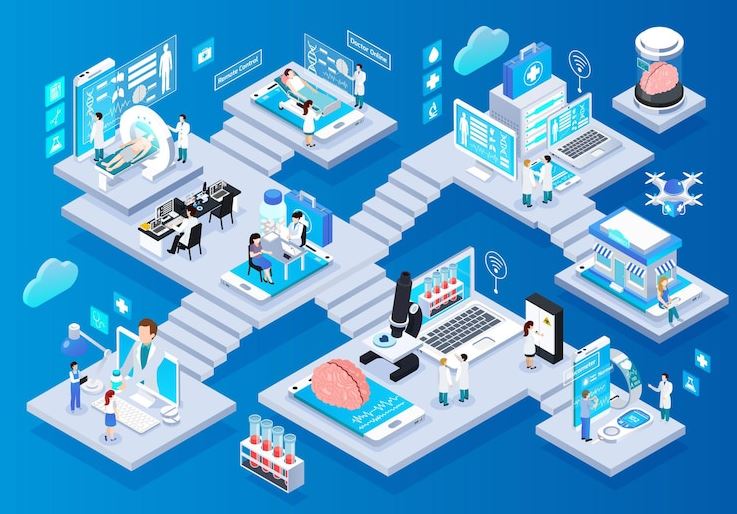
IoT is everywhere now, not just in homes but in other areas too. In healthcare, connected devices keep track of patients’ health. In industries, IoT devices monitor machines to catch problems early. And of course, we see IoT in things like fitness trackers and smart cars.
Challenges and Future Trends
Even though IoT is amazing, it comes with challenges. One big issue is keeping data private. With so much information being collected, it’s important to keep it safe. Another problem is making sure devices from different companies can work well together.
Looking forward, new tech like 5G and AI will make IoT even better. 5G will let devices send and receive data faster, which will make services like traffic monitoring smoother. AI can help make sense of the data IoT devices collect, making cities and homes even smarter.
Conclusion
The history and evolution of IoT show how we went from basic ideas to a world where connected devices are everywhere. As IoT keeps improving, especially in smart cities and real-time systems, it’s exciting to see what comes next. The journey of IoT is still going, and knowing its story helps us understand where it’s heading.
What are your thoughts on IoT and how it affects your life? Share them with us!