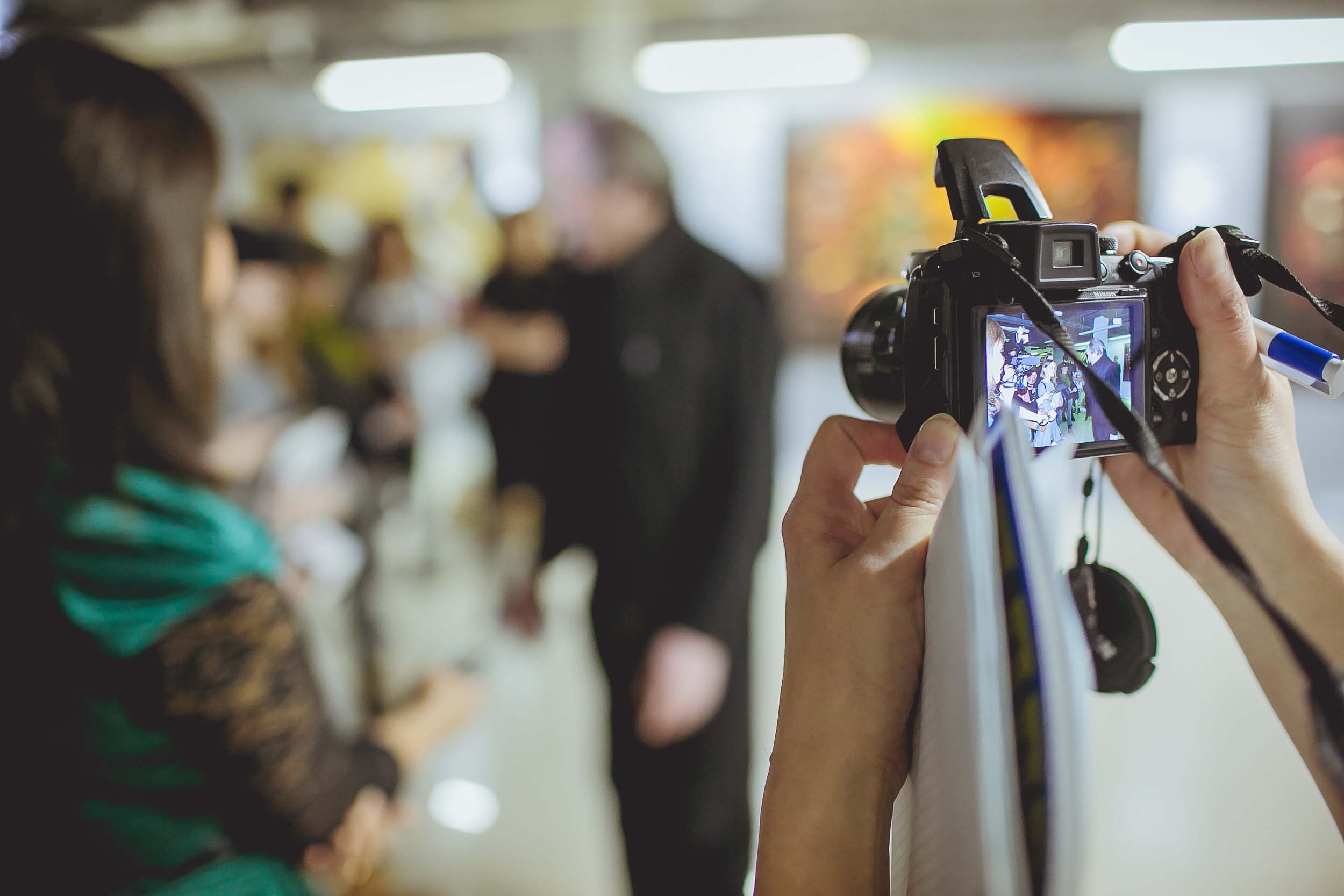
Event photography is the art of preserving fleeting moments, transforming them into lasting visual narratives. It’s about capturing the essence of a gathering, from the emotions on people’s faces to the intricate details of the setting. Whether it’s a milestone birthday celebration, a high-stakes product launch, or a heart-warming wedding ceremony, event photographers wield their cameras to tell a story – a story of laughter, connection, and the joy of shared experiences.
The Many Faces of Event Photography
The beauty of this field lies in its diversity. Event photography encompasses a wide range of occasions, each demanding a unique approach. Let’s explore some of the most common types:
-
Weddings
Undoubtedly the most well-known event photography niche, weddings are a whirlwind of emotions and traditions. The photographer documents the entire journey, from the nervous anticipation of the ceremony to the unbridled revelry of the reception. Capturing the couple’s special day requires a keen eye for detail, an ability to blend in seamlessly, and the knack for creating timeless portraits.
-
Corporate Events
From business conferences and product launches to award ceremonies and galas, corporate events showcase a brand’s professionalism and celebrate achievements. Corporate event photographers focus on capturing the energy and engagement of the audience, highlighting key presentations and speakers. They also ensure professional headshots and group photos that can be used for marketing purposes.
-
Conferences and Trade Shows
These events are fast-paced and information-packed. Conference photographers capture the essence of the presentations, workshops, and networking opportunities. Attention is given to capturing presentations effectively, attendee engagement, and the overall atmosphere of the event.
-
Social Events
Birthdays, anniversaries, graduations, and family reunions are all occasions where families and friends come together to celebrate. Social event photography focuses on capturing candid moments of joy, laughter, and connection. It’s about preserving precious memories for those involved.
-
Concerts and Festivals
Music events pulsate with energy and emotion. Concert photographers capture the electrifying atmosphere, the connection between the artist and the audience, and the raw energy of live performances. They often work in low-light conditions and need to capture fleeting moments on stage.
The Essential Skills of an Event Photographer
Beyond technical proficiency with camera settings and lighting, successful event photographers possess a unique blend of skills:
-
Adaptability
Events are rarely predictable. Photographers need to think on their feet, adjust to changing situations, and capture spontaneous moments.
-
People Skills
Building rapport with guests and event organizers is crucial. Photographers should be friendly, approachable, and able to put people at ease, especially for posed shots.
-
Composure under Pressure
Events can be chaotic, with tight deadlines and unexpected challenges. Photographers need to remain calm, focused, and able to deliver high-quality images even in stressful situations.
-
Eye for Detail
From the meticulously designed décor to the fleeting expressions on faces, event photographers have a keen eye for capturing the small details that contribute to the overall story.
-
Storytelling
The best event photos weave a narrative, transporting the viewer to the heart of the event. Photographers need to be able to anticipate key moments and capture them effectively.
Gear Up for Success: Essential Equipment
While high-quality cameras and lenses are a given, event photographers rely on a specific toolkit to ensure they’re prepared for anything:
-
Multiple Camera Bodies
Having a backup camera ensures you don’t miss a crucial shot due to equipment failure.
-
Versatile Lenses
A combination of wide-angle lenses for capturing large spaces and zoom lenses for close-up shots is essential.
-
Fast Lenses
Many events occur in low-light conditions. Lenses with a wider aperture allow for faster shutter speeds and sharper images.
-
External Flash
A portable flash unit helps illuminate subjects and add a pop of light when needed.
-
Spare Batteries and Memory Cards
Running out of power or storage space at a critical moment can be disastrous. Pack plenty of backups.
Capturing the Perfect Shot: Techniques for Event Photography
Beyond mastering the technical aspects of photography, mastering these techniques will elevate your event photography:
-
Understanding Lighting
Lighting conditions can vary greatly depending on the venue and time of day. Developing an understanding of natural and artificial light sources is crucial.
-
Composition and Framing
Employing strong compositional techniques like the rule of thirds and leading lines helps create visually engaging photographs.
-
Candids vs. Posed Shots
Striking a balance between capturing candid moments and staged group photos ensures a well-rounded visual representation of the event.
-
Capturing Details
Don’t neglect the details! From venue décor to table settings, capturing these elements adds context and depth.
Conclusion:
Event photography is much more than just capturing snapshots. It’s about storytelling, preserving memories, and creating visual keepsakes that will be cherished for years to come. Whether you’re a seasoned professional or just starting, the field offers endless opportunities to hone your skills, experiment with creativity, and be a part of life’s most significant moments. With dedication, passion, and the right approach, you too can step into the world of event photography and transform fleeting moments into lasting memories. So, grab your camera, embrace the challenge, and get ready to capture the magic of events that unfold around you.