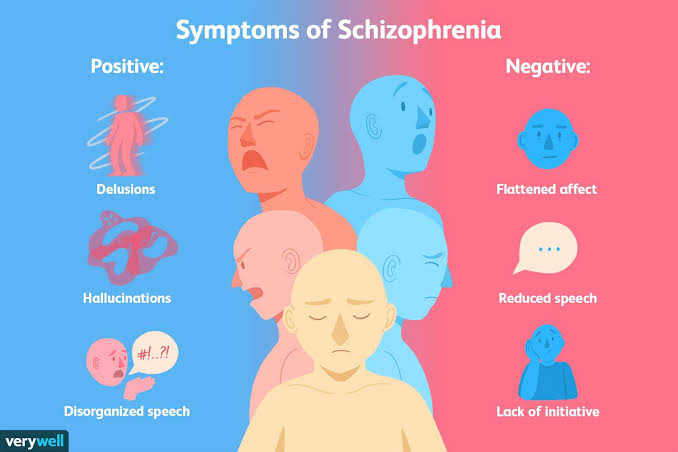
Schizophrenia is a chronic and severe mental health disorder that disrupts a person’s thinking, emotions, and behavior. It can lead to a distorted perception of reality, with individuals experiencing hallucinations, delusions, and disorganized speech or thinking. While the exact causes of schizophrenia remain unknown, it’s believed to be a complex interplay of genetic and environmental factors.
Causes of Schizophrenia
- Genetics: Having a close relative with schizophrenia significantly increases your risk.
- Brain chemistry: Imbalances in brain chemicals, such as dopamine, are thought to play a role.
- Environmental factors: Prenatal complications, exposure to viruses or toxins during development, and early childhood trauma can increase susceptibility.
Symptoms of Schizophrenia
- Positive symptoms: These involve experiencing things that aren’t there, such as hallucinations (hearing voices) and delusions (fixed false beliefs).
- Negative symptoms: These represent a loss of normal abilities, including social withdrawal, blunted emotions, and lack of motivation.
- Disorganized thinking and speech: This can manifest as jumbled thoughts, rapid speech shifts, or difficulty answering questions directly.
Treatments for Schizophrenia
While there’s no cure for schizophrenia, effective treatments can manage symptoms and improve quality of life. These include:
- Antipsychotic medication: This is the mainstay of treatment, helping regulate brain chemicals to reduce hallucinations and delusions.
- Psychotherapy: Individual or group therapy can teach coping skills, improve social functioning, and address underlying emotional issues.
- Social support: Family involvement, support groups, and vocational rehabilitation programs can empower individuals with schizophrenia to live fulfilling lives.
Living with Schizophrenia
Schizophrenia can be a debilitating condition, but with proper treatment and support, many people can manage their symptoms and live productive lives. Early intervention is crucial, and if you or someone you know experiences potential symptoms, seeking professional help is essential.