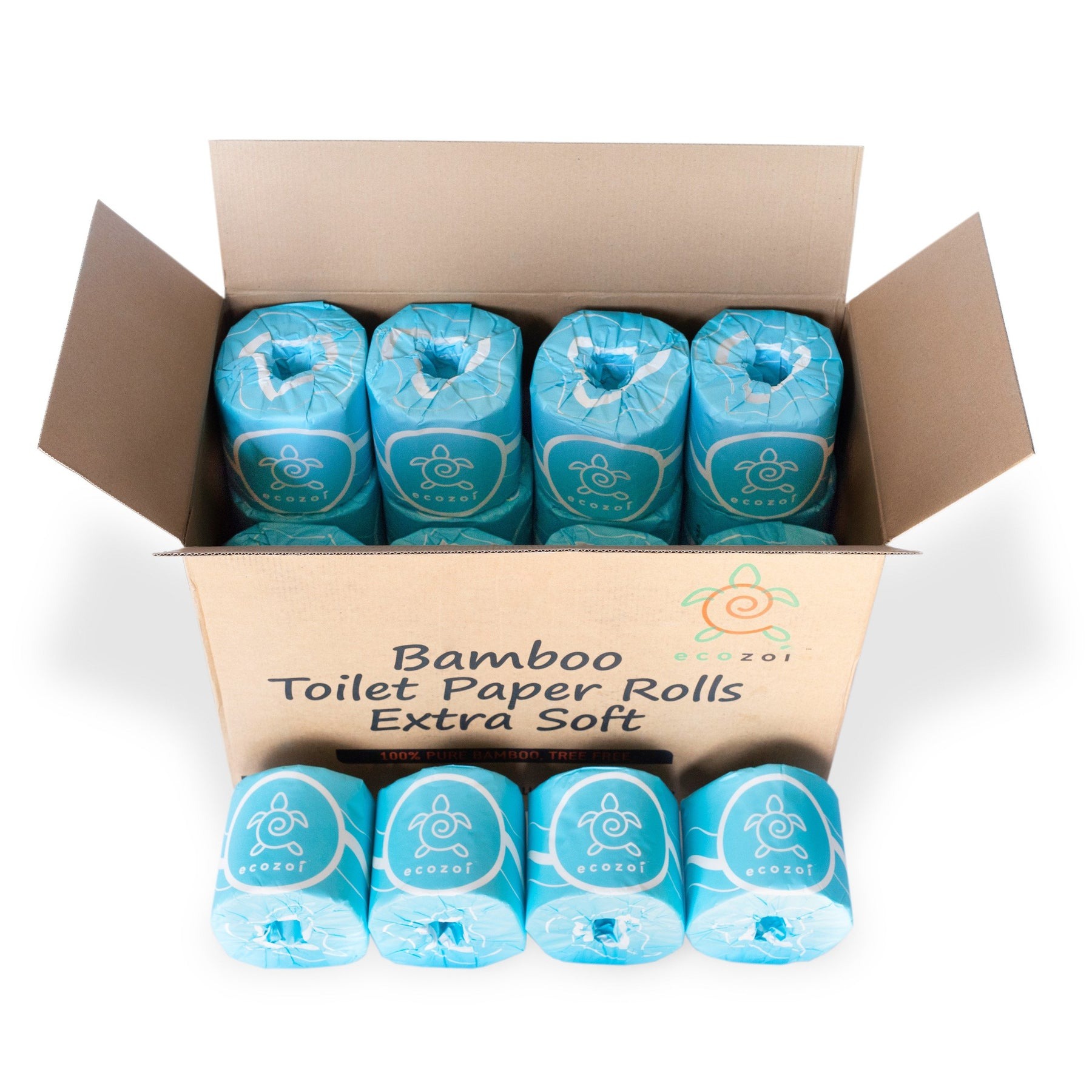
In an era where sustainability and environmental consciousness are at the forefront of consumer choices, the debate between reusable hand towels and paper towels has gained significant attention.
This article delves deep into the environmental, economic, and functional aspects of these two options, making a compelling case for reusable hand towels as the eco-friendly alternative you need.
Why Reusable Hand Towels Outshine Paper Towels
1. Environmental Impact: A Comparison
Paper Towels: A Resource-Intensive Product
Paper towels are single-use items that heavily contribute to deforestation, water consumption, and waste generation. Producing one ton of paper towels requires:
- 17 trees
- 20,000 gallons of water
Once used, they often end up in landfills, contributing to greenhouse gas emissions as they decompose.
Reusable Hand Towels: A Sustainable Choice
In contrast, reusable hand towels are designed for longevity. Made from durable materials like organic cotton or bamboo, they can withstand hundreds of washes. This reduces the demand for raw materials and significantly cuts down on waste.
2. Cost Efficiency Over Time
Paper Towels: A Recurring Expense
On average, households spend $120-$150 annually on paper towels. While the cost per roll seems low, the frequency of purchase makes them a substantial ongoing expense.
Reusable Hand Towels: A One-Time Investment
Investing in a set of high-quality reusable towels may initially cost more, but their durability ensures years of use. Over time, this translates into substantial savings, making them a cost-effective choice.
3. Versatility and Durability
Paper Towels: Limited Functionality
Paper towels are designed for light, single-use tasks like wiping spills or drying hands. They tear easily and lack the absorbency needed for heavier cleaning tasks.
Reusable Hand Towels: Multi-Purpose and Reliable
Reusable hand towels are highly absorbent and versatile. They can handle tasks ranging from drying dishes to cleaning countertops and even serving as makeshift napkins. Their robust construction ensures they remain effective even after multiple washes.
4. Health and Hygiene Considerations
Paper Towels: A Cleaner Option for Single Use
Paper towels are often considered more hygienic for specific purposes, such as in public restrooms. However, their single-use nature makes them less practical for households focused on reducing waste.
Reusable Hand Towels: Hygienic When Maintained Properly
When laundered regularly at high temperatures, reusable towels remain hygienic and safe. Using separate towels for different tasks—kitchen, bathroom, and general cleaning—can further enhance cleanliness and prevent cross-contamination.
5. Convenience and Accessibility
Paper Towels: Easy but Wasteful
The convenience of grabbing a paper towel for quick clean-ups is undeniable. However, this convenience often leads to overuse and waste.
Reusable Hand Towels: A Habit Worth Building
While transitioning to reusable towels requires a change in habits, the long-term benefits far outweigh the initial inconvenience. Storing them in accessible locations around the house makes them just as convenient as paper towels.
Environmental Benefits of Choosing Reusable Hand Towels
Adopting reusable hand towels aligns with a commitment to sustainability. By making this choice, households can:
- Reduce waste: Each reusable towel prevents hundreds of paper towels from ending up in landfills.
- Conserve resources: Lower demand for paper towels means fewer trees cut and less water used in production.
- Minimize carbon footprint: Manufacturing, packaging, and transporting paper towels generate significant emissions. Reusable options eliminate this cycle.
How to Transition to Reusable Hand Towels
Step 1: Start Small
Purchase a set of 5-10 reusable towels to replace your paper towel usage gradually.
Step 2: Organize Effectively
Keep separate towels for different purposes. For example, designate specific towels for hand drying, dish drying, and cleaning.
Step 3: Establish a Washing Routine
Wash reusable towels regularly with an eco-friendly detergent. This ensures they remain hygienic and fresh for repeated use.
Step 4: Store Strategically
Place reusable towels in easy-to-reach spots to encourage their use over paper towels.
Debunking Myths About Reusable Hand Towels
Myth 1: Reusable Towels Are Less Hygienic
Fact: Proper laundering eliminates bacteria and odors, ensuring cleanliness.
Myth 2: Reusable Towels Are Expensive
Fact: While the initial cost is higher, the long-term savings far outweigh the upfront investment.
Myth 3: Washing Reusable Towels Cancels Out Their Eco-Friendly Benefits
Fact: Modern washing machines and eco-friendly detergents ensure low water and energy consumption, making reusable towels a sustainable choice.
Top Recommendations for Reusable Hand Towels
- Organic Cotton Towels
Organic cotton towels are a fantastic eco-friendly choice, as they are made from cotton grown without harmful pesticides or chemicals. These towels are soft, absorbent, and biodegradable, making them a sustainable option that is gentle on both the skin and the environment. - Bamboo Towels
Bamboo towels are naturally antibacterial, which helps reduce the growth of bacteria even without frequent washing. They are also highly absorbent and durable, making them a great alternative to traditional paper towels. Bamboo grows quickly and requires little water, making it a highly sustainable material. - Microfiber Towels
Microfiber towels are incredibly effective at trapping dirt and moisture, making them ideal for cleaning tasks. These towels are designed to last a long time, offering excellent durability and performance. They are also lightweight and quick-drying, making them easy to maintain and reuse.
Final Thoughts: The Smarter, Greener Choice
Switching to reusable hand towels is a small but impactful step towards a sustainable lifestyle. By reducing waste, conserving resources, and saving money, they offer a clear advantage over paper towels. Making this change reflects a commitment to a healthier planet and a more conscious way of living.