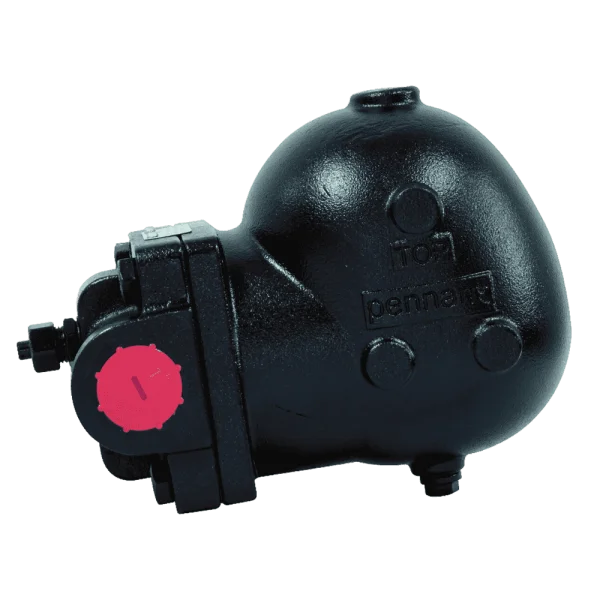
The ball float steam trap has long been a staple in industrial steam systems, valued for its precision and reliability. In recent years, technological advancements have further enhanced its efficiency and usability, making it indispensable for modern industries striving for energy optimization and operational excellence.
Enhanced Material Durability
One of the most significant innovations is the use of advanced materials like corrosion-resistant alloys. These materials increase the lifespan of the ball float steam trap, even in harsh environments, ensuring consistent performance under high-pressure and high-temperature conditions.
Improved Design for Higher Efficiency
Modern ball float steam traps now feature enhanced float mechanisms that provide greater sensitivity to condensate levels. This results in faster discharge rates, reducing the risk of waterlogging and ensuring seamless steam flow, which is critical for industrial efficiency.
Integration with Smart Systems
The integration of IoT technology into ball float steam traps is a game-changer. These smart traps can now monitor performance in real time, providing data on condensate levels, steam loss, and maintenance needs. This allows industries to proactively address issues, minimizing downtime and improving overall system efficiency.
Eco-Friendly Innovations
Today’s designs also focus on sustainability, with traps that minimize energy loss and maximize steam recovery. These eco-friendly features help industries reduce their carbon footprint while cutting operational costs.
In conclusion, the ball float steam trap continues to evolve, adapting to the needs of modern industries. With innovations in durability, efficiency, and smart technology, it remains a cornerstone of steam system management, offering reliability and sustainability in equal measure