


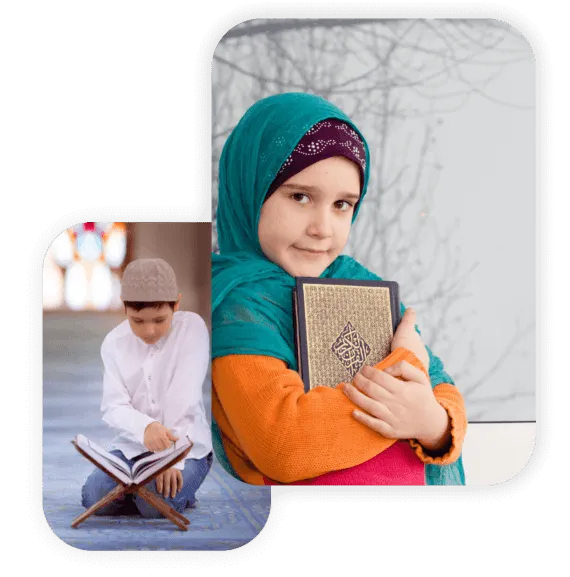
Teaching the Quran to children is one of the most significant responsibilities for Muslim parents. Quran for kids programs have emerged as a perfect way to introduce young minds to the teachings of the Holy Quran, helping them develop a deep spiritual connection with Islam from an early age. With innovative teaching methods, engaging content, and child-friendly approaches, learning the Quran becomes both enjoyable and meaningful for kids.
Why Teaching the Quran to Kids is Important
- Spiritual Growth
The Quran is not just a book of recitation but a complete guide for life. Introducing the Quran to children at an early age helps build a strong spiritual foundation, connecting them to Allah (SWT) and instilling love for His words. - Moral and Ethical Values
The Quran teaches essential moral values such as kindness, honesty, patience, and respect for others. By learning the Quran, children are encouraged to develop good character and conduct in their everyday lives. - Preservation of Islamic Identity
In a diverse and fast-changing world, teaching the Quran ensures that children remain grounded in their faith. They gain a clear understanding of their religious identity and values, which helps them navigate life confidently. - Improved Memory and Focus
Memorizing Quranic verses enhances children’s cognitive abilities, improving their memory, focus, and discipline. This mental training benefits them academically and spiritually.
How to Teach Quran to Kids
- Start with Noorani Qaida
Noorani Qaida is the foundational book that introduces children to the Arabic alphabet and basic pronunciation. It is an excellent first step for kids learning to recite the Quran. - Focus on Tajweed (Correct Pronunciation)
Teaching Tajweed rules ensures that children learn to recite the Quran accurately. A good understanding of pronunciation from the beginning helps kids recite fluently and beautifully. - Encourage Memorization (Hifz)
Children have sharp memories, making them ideal candidates for Quran memorization (Hifz). Short surahs can be introduced first, gradually progressing to longer chapters. - Explain Simple Meanings
Alongside recitation, explaining the meanings of Quranic verses in a child-friendly way helps kids understand the teachings and messages of the Quran. - Use Interactive and Engaging Tools
Incorporating visual aids, storytelling, games, and interactive activities makes learning the Quran fun and engaging for children. This approach keeps them interested and motivated.
Benefits of Quran for Kids Programs
- Child-Friendly Learning Environment
Quran classes for kids are designed to suit their learning style, with patient tutors who specialize in teaching young learners. - Flexible Schedules
Online and offline Quran programs offer flexibility, allowing parents to choose suitable times for their children’s classes. - One-on-One Attention
Personalized sessions ensure that each child gets individual attention, allowing them to learn at their own pace without pressure. - Safe and Convenient Learning
Parents can supervise their child’s Quran learning sessions, ensuring safety and a comfortable environment. Online platforms make Quran education accessible from home. - Building a Lifelong Relationship with the Quran
Learning the Quran from a young age nurtures a lifelong love and respect for the Holy Book. Children grow up with a deep understanding of Islam and the ability to implement Quranic teachings in their lives.
Tips for Parents to Encourage Quran Learning
- Be a Role Model
Children learn by observing their parents. Reciting and reading the Quran regularly sets a good example for your kids. - Make Learning Fun
Use colorful books, educational videos, and fun activities to make Quran learning enjoyable for your children. - Set Small Goals
Start with short surahs or a few verses, and celebrate your child’s progress to keep them motivated. - Create a Routine
Establishing a consistent Quran learning schedule helps children develop discipline and prioritize their learning. - Encourage and Reward
Positive reinforcement, such as praise or small rewards, encourages children to stay motivated and enthusiastic about learning the Quran.
Conclusion
Quran for kids programs are essential for helping young learners connect with the words of Allah (SWT) in a meaningful and engaging way. Teaching children the Quran not only enhances their spiritual growth but also instills moral values and good character. By providing a supportive, fun, and interactive environment, parents and tutors can help children build a strong relationship with the Quran that lasts a lifetime.
Start your child’s Quranic journey today and nurture their love for the Holy Quran, ensuring they grow up with faith, knowledge, and a strong connection to their Islamic roots.


