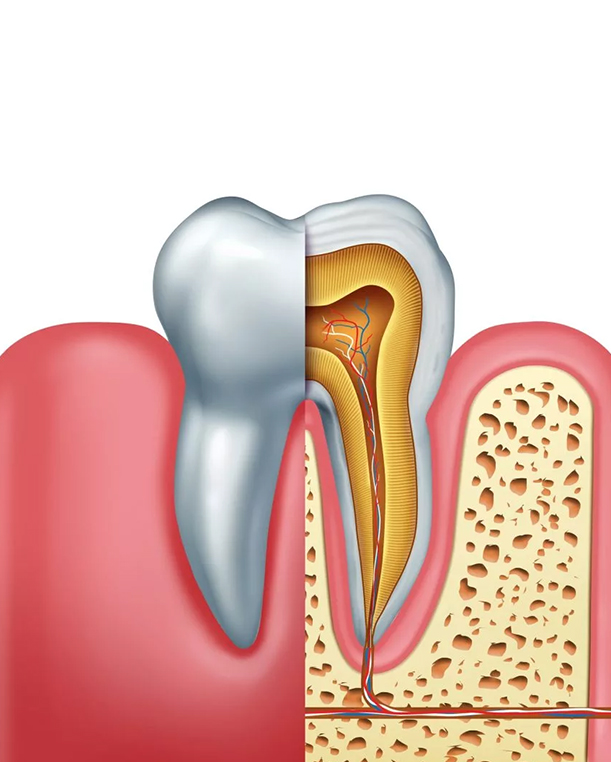
Root canal therapy (RCT) is widely recognized as a vital treatment for saving teeth affected by infection or decay. Beyond its functional role, root canal therapy also has significant applications in cosmetic dentistry. A beautifully restored smile often depends on preserving natural teeth, making RCT a cornerstone for both oral health and aesthetics.
Here’s how root canal therapy contributes to cosmetic dentistry, its aesthetic benefits, and what patients can expect from this restorative procedure.
What Is Cosmetic Dentistry?
Cosmetic dentistry focuses on improving the appearance of teeth, gums, and overall smile. While procedures like teeth whitening and veneers come to mind, root canal therapy is an essential part of this discipline. It addresses structural and aesthetic challenges to ensure a healthy, attractive smile.
The Role of Root Canal Therapy in Cosmetic Dentistry
1. Preserving the Natural Tooth
- Avoiding Tooth Loss: One of the primary goals of cosmetic dentistry is to maintain natural teeth whenever possible. Root canal therapy prevents extraction by treating the infection and reinforcing the tooth’s structure.
- Minimizing Gaps: Saving a tooth avoids gaps in the smile, which can impact aesthetics and require additional cosmetic solutions like implants or bridges.
2. Addressing Tooth Discoloration
- Internal Staining: Infected or dead pulp can cause teeth to appear dark or discolored. Root canal therapy removes the source of staining, and cosmetic treatments such as internal bleaching or veneers can restore a bright, natural appearance.
- Preventing Further Stains: Cleaning and sealing the tooth prevents future discoloration from recurring infections or bacteria buildup.
3. Supporting Dental Restorations
- Crowns and Veneers: After root canal therapy, a tooth often requires restoration to regain its full function and appearance. Crowns, in particular, are designed to mimic the natural tooth’s color, shape, and size, seamlessly blending with the surrounding teeth.
- Custom Cosmetic Enhancements: For highly visible teeth, custom-made crowns and veneers provide the added benefit of perfecting a smile’s symmetry and brightness.
Cosmetic Applications of Root Canal Therapy
1. Repairing Damaged Teeth
Root canal therapy is commonly used to address damage caused by:
- Trauma: Cracks or chips resulting from accidents can expose the pulp, leading to infection. RCT removes the damaged pulp and prepares the tooth for aesthetic restoration.
- Decay: Severe decay that affects the inner layers of a tooth can compromise its appearance and structure. RCT resolves the infection, and cosmetic restorations restore the tooth’s look and function.
2. Restoring Smile Uniformity
- A discolored or damaged tooth can disrupt the harmony of a smile. After RCT, cosmetic restorations ensure that the treated tooth matches its neighbors in color, shape, and size.
3. Preparing for Comprehensive Smile Makeovers
- For patients undergoing full-mouth rehabilitation, root canal therapy plays a critical role in stabilizing and preparing teeth for long-term cosmetic solutions.
Benefits of Root Canal Therapy in Cosmetic Dentistry
1. Enhanced Aesthetics
- Restores natural tooth color and shape.
- Prevents discoloration that can detract from a smile’s appearance.
2. Improved Oral Function
- Ensures the treated tooth remains strong and functional, supporting chewing and speaking.
3. Long-Term Results
- With proper care, root canal-treated teeth and their restorations can last for many years, preserving the beauty of your smile.
Post-Treatment Aesthetic Considerations
After a root canal, it’s essential to complete the restoration process to achieve the best cosmetic results.
Crowns vs. Fillings
- Crowns: Often recommended for back teeth or those with extensive damage. They offer superior protection and aesthetic appeal.
- Fillings: Composite fillings are suitable for smaller restorations and provide a natural look for less damaged teeth.
Addressing Residual Discoloration
- Internal Bleaching: A whitening agent can be applied inside the tooth to restore its natural shade.
- Veneers or Bonding: These options cover the tooth’s surface, creating a flawless finish.
Ongoing Maintenance
- Good oral hygiene and regular dental visits are crucial for maintaining the appearance and function of root canal-treated teeth.
FAQs About Root Canal Therapy in Cosmetic Dentistry
1. Can a Root Canal-Treated Tooth Look Completely Natural?
Yes. Modern materials and techniques ensure that treated teeth look indistinguishable from natural teeth, especially when paired with high-quality restorations.
2. Is Root Canal Therapy Always Necessary for Aesthetic Restoration?
Not always. RCT is recommended only when the tooth’s pulp is infected or damaged. For purely cosmetic concerns, other treatments like veneers or bonding may be more appropriate.
3. How Long Do the Cosmetic Results of Root Canal Therapy Last?
With proper care, the restorations can last 10–15 years or longer, maintaining both the tooth’s function and appearance.
Conclusion
Root canal therapy is a vital component of cosmetic dentistry, bridging the gap between health and aesthetics. By preserving natural teeth, addressing discoloration, and supporting restorations, RCT helps patients achieve a healthy and beautiful smile.
If you’re considering cosmetic dentistry or need root canal treatment for a damaged tooth, consult with your dentist to explore how the procedure can enhance your smile and confidence. With modern advancements in dental care, achieving a flawless, functional smile is more attainable than ever.
Root canal therapy plays a key role in both restoring function and improving the aesthetics of your smile. If you’re looking for affordable root canal treatment in Swawlambi Nagar, opting for this procedure can save your natural tooth while maintaining its appearance.