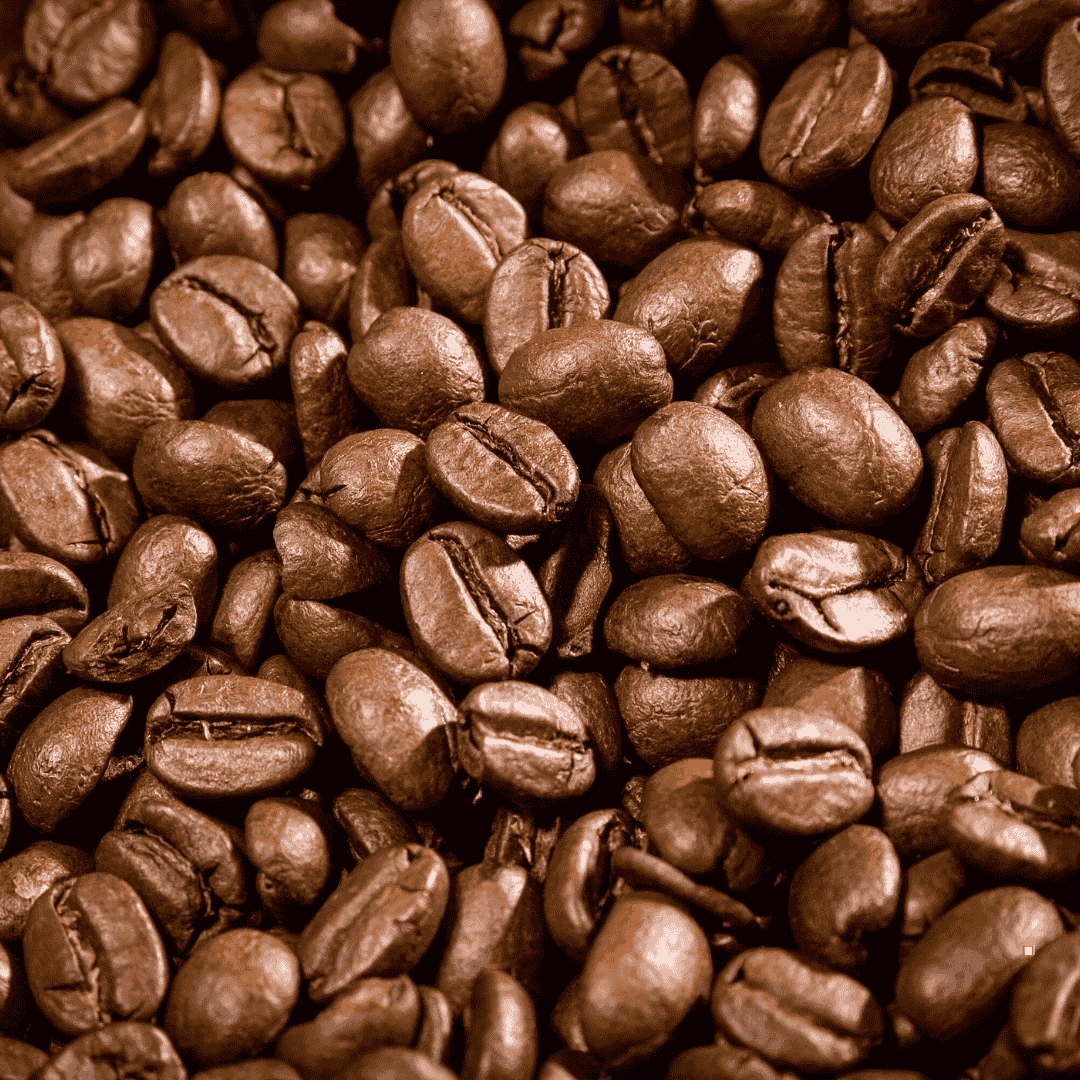
For home coffee brewers who appreciate the bright flavors of the Americas, Peruvian coffee stands out for its gentle sweetness and balanced acidity. Grown high in the Andean region, these beans often feature hints of cocoa, nuts, and delicate fruit, creating a well-rounded cup that appeals to both seasoned enthusiasts and newcomers alike. Yet despite its approachable nature, Peruvian beans can reveal new depths when you tailor your brewing method—like choosing between the cozy richness of a French press or the crisp clarity of a pour-over. Each device extracts the nuances of Peru’s high-altitude harvests in a unique way, encouraging you to explore different paths to your ideal cup.
Exploring Peruvian Coffee’s Flavor Profile
If you’re curious about how Peruvian coffee stacks up against beans from other regions, the answer often lies in its mild yet intriguing personality. Many farms in Peru thrive in mountainous microclimates, taking advantage of cooler temperatures that prolong the cherries’ ripening and encourage more concentrated sugars. This typically translates to a medium-bodied brew with notes of chocolate, subtle nuttiness, and a touch of fruit. The acidity tends to be moderate—enough to keep each sip lively without overwhelming your palate.
Some roasters aim to highlight these mild fruity or floral accents by sticking to lighter roasts, while others opt for a darker development that underscores the chocolate or toasted nut undertones. Either way, the essence of Peruvian beans remains consistent: a harmonious blend of sweetness and gentle sparkle. If you enjoy a comforting yet nuanced profile in your morning mug, there’s a good chance Peru’s harvest will appeal. And with both French press and pour-over methods available to you, there’s ample room to tweak the final flavor to your liking.
The French Press Approach to Peruvian Coffee
If you’re drawn to full-bodied warmth, using a French press with Peruvian coffee might be your best bet. This immersion style involves steeping coarsely ground beans in hot water for several minutes before pressing down the plunger to separate grounds from the liquid. Because the brew spends more time in contact with the grounds, you often capture a richer, heavier mouthfeel. The gentle acidity in Peruvian beans is typically softened further by this approach, resulting in a luscious, rounded cup.
Another plus is that the mesh filter allows natural oils to remain in your coffee, intensifying its chocolate or nutty essence. That said, you might lose some of the lighter fruit or floral notes that a quicker extraction could preserve. If you fancy a comforting, robust brew—especially for colder mornings—a French press can elevate Peruvian beans into something akin to a velvety, cocoa-infused treat. Just keep an eye on your steep time: four minutes is a common starting point, but feel free to experiment up or down to find your personal sweet spot.
Pour-Over: Brightness and Precision
Those who crave crisp clarity might gravitate toward a pour-over when dealing with Peruvian coffee. This method employs a paper or metal filter, which generally absorbs or filters out more of the bean’s natural oils, leading to a cleaner, lighter-bodied cup. You’ll also have more precise control over extraction—by adjusting your pouring technique, you can accentuate the delicate fruit undertones or ensure the mild acidity shines through.
Because Peruvian beans offer balanced sweetness without aggressive sharpness, a pour-over can bring out subtle complexities you might miss in an immersion setup. If your brew tastes too flat or lacks that spark, try a slightly finer grind or raise your water temperature a bit, aiming around 195–205°F (90–96°C). With each minor adjustment, you might uncover new layers: a softer citrus note, a hint of orchard fruit, or a gentle herbal aftertaste that fades elegantly. Pour-overs, in essence, can turn your morning routine into a small science experiment, rewarding patience with a cup that feels refreshingly refined.
Finding the Balance: Acidity vs. Sweetness
One of the joys of working with Peruvian beans lies in balancing the region’s approachable acidity against its underlying sweetness. If you find your coffee tastes too tangy or bright, you might choose the French press route, as prolonged contact helps round off sharper notes. Conversely, if you desire a more “sparkling” cup, a pour-over might preserve that cheerful acidity while still highlighting your coffee’s cocoa base. Even within each method, subtle tweaks—like adjusting grind size or contact time—let you shift the profile from sweet and mellow to a slightly zippier expression.
In many ways, brewing coffee is a lesson in trade-offs: the heavier body achieved through immersion might come at the cost of losing fleeting fruity top notes, while a filter brew can result in a delicate clarity that some might label “thin.” Learning to navigate these differences can transform you from a coffee consumer into a coffee curator, personalizing each batch to fit your evolving tastes or morning mood.
Additional Brewing Tips for Success
Regardless of whether you choose a French press or pour-over, a few universal brewing tips can maximize your experience with Peruvian beans. First, always use freshly ground coffee, as pre-ground staleness detracts from the beans’ inherent vibrancy. Second, pay attention to your water quality—excessively mineral-heavy or chlorinated water can mask subtle notes. Filtered water with moderate mineral content is often the sweet spot. Third, consider the roast level: if you opt for a lighter roast, you’ll probably unearth more citrus or floral complexities, whereas a medium roast highlights cocoa or caramel sweetness.
Temperature also matters. While standard best practices suggest around 200°F (93°C), you can adjust it up or down a couple of degrees to bring out more acidity or amplify sweetness. And, as always, keep track of brew ratios, measuring your coffee and water to ensure consistency from cup to cup. If your coffee tastes weak, add a bit more coffee relative to water, or if it’s overpowering, reduce the dose slightly. A small digital scale can be your best ally in finding that perfect 1:15 or 1:16 ratio that complements Peru’s balanced charm.
Elevate Your Cup with Peruvian Coffee
When you’re ready to make the most of Peruvian coffee, consider solutions that bring out the best in both French press and pour-over methods. Our coffee variety selection includes beans curated specifically for these brewing styles, while small-batch roasted beans capture the nuanced flavors that make this origin stand out. Opting for premium coffee beans—and counting on fast delivery—helps you experience the crisp notes of Andean highlands or the comforting cocoa undertones that define Peru’s harvest. Whether you lean toward a robust, immersion-based brew or a bright, filtered pour-over, you’ll find the sweet spot that allows these beans to truly shine. So indulge your senses, play with extraction, and enjoy the balanced wonder that is Peruvian coffee.