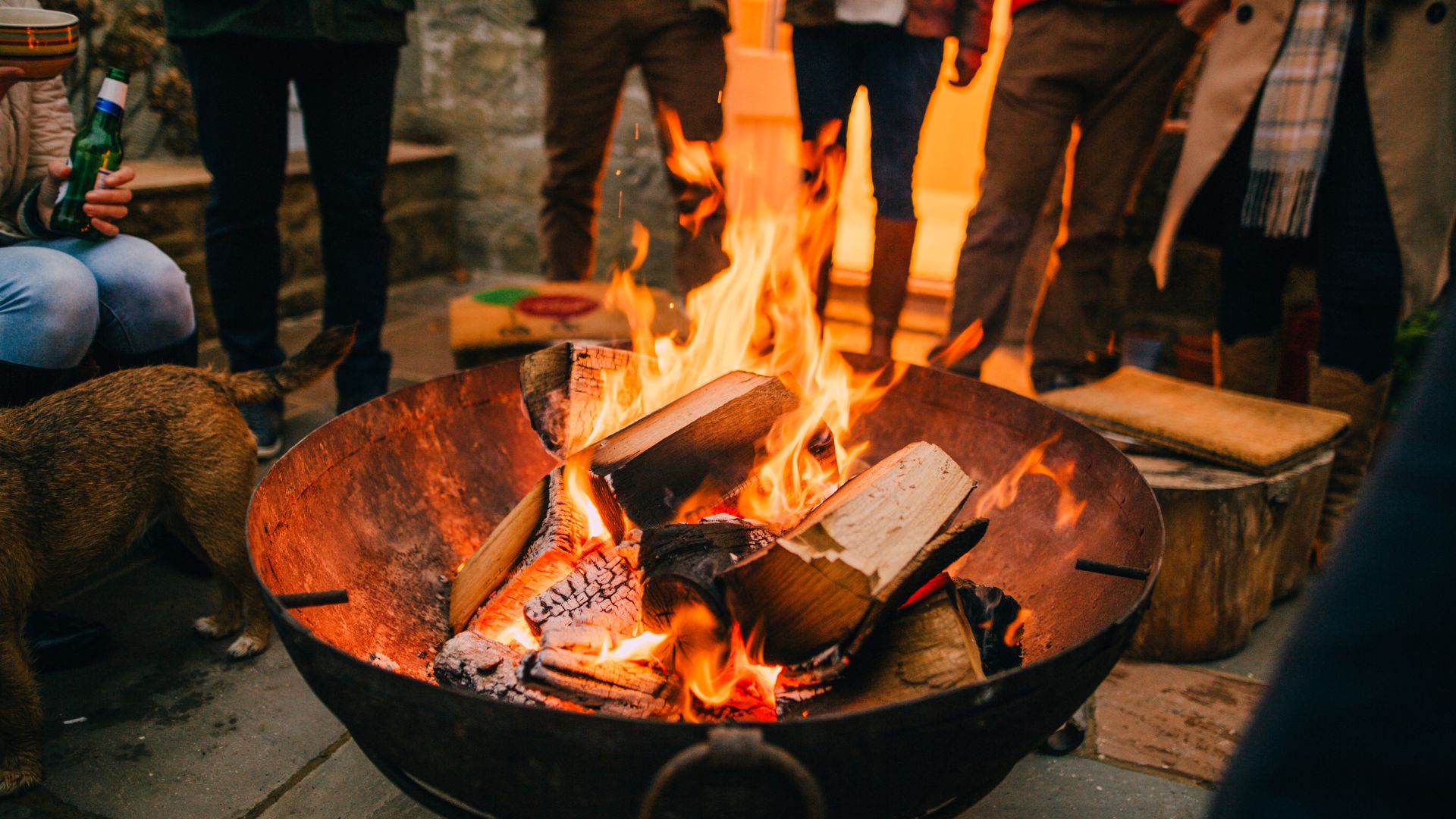
Why Japanese Fire Pits Stand Out
Japanese fire pits, also known as hibachi or irori, have been used for centuries for warmth and cooking. Unlike modern fire pits, which prioritize aesthetics, traditional Japanese fire pits emphasize function and simplicity. Their historical use in Japanese homes reflects their practicality and ability to create a welcoming, intimate space.A Blend of Tradition and Functionality
In Japan, fire pits were traditionally placed in the center of homes as heat sources and cooking areas. Even today, these designs are appreciated for their ability to create a serene atmosphere. The simplicity of a Japanese fire pit allows you to unwind naturally, offering a chance to enjoy the moment without distractions.Choosing the Right Japanese Fire Pit for Your Space
Before adding a fire pit, consider the type that best suits your needs. Whether you’re after a traditional irori, a hibachi grill, or a modern design, each offers unique benefits for different outdoor settings. Here’s a breakdown of options to help guide your choice.Traditional Irori
An irori is a sunken fire pit, often found in traditional Japanese homes. Though not always practical for every outdoor space, you can replicate this setup with a stone or brick pit. Ideal for slow cooking or tea ceremonies, it offers a dedicated area for gathering and warmth.Cast Iron Hibachi Grills
Hibachi grills are small but effective fire pits made from cast iron. These are perfect for those who want to cook outdoors while enjoying the warmth of the fire. They combine practicality with a traditional aesthetic, suitable for grilling skewers or just staying warm on cooler evenings.Modern Steel and Ceramic Designs
For a more contemporary look, modern Japanese-inspired fire pits made of steel or ceramic provide sleek, minimalist designs. These pits maintain the essence of traditional Japanese fire pits but fit seamlessly into modern outdoor spaces. Many feature handcrafted details, enhancing their aesthetic appeal over time.Creating a Relaxing Atmosphere Around Your Fire Pit
A fire pit itself is just the beginning; the right environment can elevate the experience. Consider seating, lighting, and surroundings to create a truly relaxing atmosphere. A thoughtful setup will ensure your fire pit becomes the center of your outdoor space.Comfortable Seating Arrangement
Low wooden stools or floor cushions create a cozy and inviting space around the fire. Traditional Japanese setups often feature tatami mats or simple benches, offering comfort while keeping the seating minimalistic. This encourages relaxation and social interaction in a natural setting.Adding Soft Lighting
While the fire provides warmth and light, soft lanterns or string lights can enhance the ambiance. Japanese-style paper lanterns or bamboo torches emit a gentle glow that complements the flickering fire. This added lighting helps create a peaceful, welcoming space around the fire.Choosing the Right Surroundings
A fire pit should complement the surrounding environment. Position it near elements like a small rock garden, bamboo plants, or a koi pond for added tranquility. The focus should be on simplicity and harmony, blending the fire pit naturally with its surroundings.The Magic of a Fire Pit Night
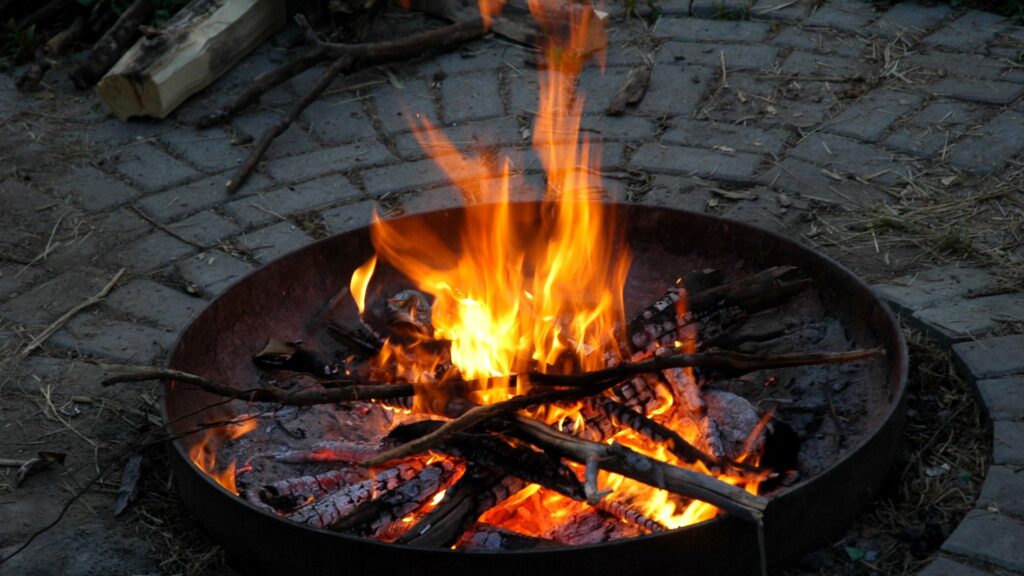 A friend of mine recently built a small Japanese-style fire pit in his backyard after a trip to Kyoto. He shared that the experience of sitting by the fire with his family, cooking and talking, was transformative. The fire pit brought a new dynamic to their evenings, shifting from indoor TV time to outdoor bonding.
Another couple I know designed their backyard around a traditional irori-style fire pit for tea gatherings. They told me the fire pit had become the heart of their home, a place for relaxation and slow conversations under the night sky, far removed from the rush of daily life.
A friend of mine recently built a small Japanese-style fire pit in his backyard after a trip to Kyoto. He shared that the experience of sitting by the fire with his family, cooking and talking, was transformative. The fire pit brought a new dynamic to their evenings, shifting from indoor TV time to outdoor bonding.
Another couple I know designed their backyard around a traditional irori-style fire pit for tea gatherings. They told me the fire pit had become the heart of their home, a place for relaxation and slow conversations under the night sky, far removed from the rush of daily life.
Practical Tips for Maintaining Your Fire Pit
Regular maintenance is essential for preserving the functionality of your fire pit. Cleanliness, proper fuel, and protection from the elements will ensure it remains in top condition over time.Keep it Clean
Remove ashes and debris after each use to maintain airflow and prevent buildup. This helps the fire burn more efficiently and extends the lifespan of the fire pit.Use the Right Fuel
Hardwoods like oak or charcoal are ideal for traditional Japanese fire pits, as they burn cleanly and steadily. Avoid softwoods, which produce excess smoke and burn too quickly, leading to inefficient heating.Protect from the Elements
Cover cast iron or steel fire pits when not in use to prevent rust. For ceramic fire pits, store them in a dry location during heavy rain or snow to avoid damage and wear.Check for Cracks
Heat exposure can cause small cracks in ceramic or clay fire pits over time. Regularly inspect your fire pit and repair any damage before it worsens, ensuring safety and longevity. A Japanese fire pit is more than just a source of heat—it’s an experience. Whether you seek a peaceful retreat, a space for socializing, or a touch of tradition in your home, these fire pits provide a simple yet meaningful way to enjoy your outdoor space. Consider a Japanese fire pit for your next backyard upgrade and transform your evenings into something truly special.FAQs
1. What is a Japanese fire pit?
A Japanese fire pit, also known as hibachi or irori, is a traditional fire source used for warmth and cooking, often found in Japanese homes. It emphasizes simplicity and functionality.
2. Can I cook on a Japanese fire pit?
Yes! Many Japanese fire pits, like hibachi grills, are designed for cooking, especially for grilling skewers or warming food over an open flame.
3. How do I maintain my Japanese fire pit?
Keep your fire pit clean by removing ashes after each use, use the right fuel like hardwood, and protect it from the elements by covering it when not in use.
4. What materials are Japanese fire pits made from?
Japanese fire pits can be made from cast iron, steel, ceramic, or stone, with each material offering different aesthetic and functional benefits.
5. Where should I place my Japanese fire pit?
Place your fire pit in an area that blends with your landscape, such as near a rock garden or bamboo plants, for a serene and harmonious outdoor space.