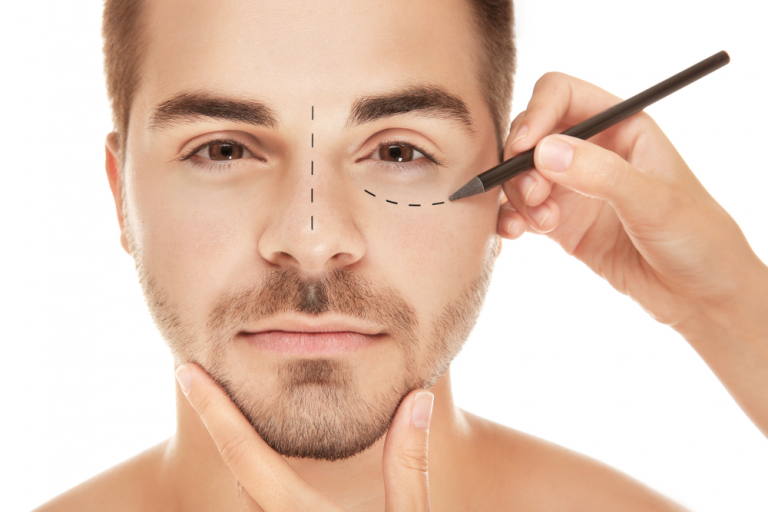
Plastic surgery is becoming increasingly popular, with many individuals seeking procedures to enhance their appearance and boost their confidence. However, one of the most common concerns people have is whether plastic surgery (جراحة التجميل) is painful. Understanding what to expect in terms of discomfort during and after the procedure can help you prepare mentally and physically. This article explores the pain levels associated with different types of plastic surgery and offers tips on managing recovery effectively
Pain Levels During Plastic Surgery:
One of the biggest misconceptions about plastic surgery is that it is extremely painful. In reality, modern advancements in anesthesia and pain management have made the procedures more tolerable than ever before.
General Anesthesia vs. Local Anesthesia:
- General anesthesia: Used for more invasive procedures, such as tummy tucks or facelifts, general anesthesia ensures that you remain completely unconscious throughout the surgery, meaning you will not feel any pain.
- Local anesthesia: Used for minor procedures, such as lip fillers or eyelid surgery, local anesthesia numbs the targeted area, preventing pain while keeping you awake.
- Sedation: In some cases, sedation is combined with local anesthesia to keep you relaxed without putting you to sleep completely.
During the surgery itself, patients do not feel pain due to the effects of anesthesia. However, the level of discomfort varies once the procedure is over.
Post-Surgery Pain and Recovery:
The pain experienced after plastic surgery depends on various factors, including the type of procedure, individual pain tolerance, and post-operative care. Below is a breakdown of common plastic surgery procedures and what to expect in terms of pain:
Facelift:
- Mild to moderate discomfort due to swelling and bruising.
- Tightness in the face as the skin heals.
- Pain typically subsides within 7–10 days.
Rhinoplasty (Nose Surgery):
- Congestion and discomfort due to internal swelling.
- Mild to moderate pain that peaks within the first 48 hours.
- Full recovery may take a few weeks, but pain significantly reduces after the first week.
Liposuction:
- Soreness similar to muscle soreness after an intense workout.
- Pain diminishes within a few days but can last up to two weeks in some cases.
Breast Augmentation or Reduction:
- Moderate discomfort, especially in the first 3–5 days.
- Feeling of tightness in the chest as the body adjusts.
- Pain relief medication helps manage discomfort effectively.
Tummy Tuck (Abdominoplasty):
- One of the more painful plastic surgery procedures due to muscle tightening.
- Pain is most intense during the first week and gradually decreases over a month.
- Proper post-operative care is essential for a smooth recovery.
Pain Management Strategies:
While discomfort is expected after plastic surgery, there are several ways to minimize pain and ensure a comfortable recovery:
Medication:
- Prescription pain relievers are often provided to manage discomfort in the initial days.
- Over-the-counter painkillers such as ibuprofen may be used once approved by a medical professional.
Cold Compresses:
- Helps reduce swelling and numb the affected area, especially after facial surgeries.
- Should be applied intermittently for the first few days.
Rest and Proper Positioning:
- Keeping the body elevated after certain procedures, such as facelifts or rhinoplasty, can help reduce swelling and pain.
- Avoiding strenuous activities ensures a smoother recovery.
Hydration and Nutrition:
- Drinking plenty of water and consuming nutrient-rich foods aids in faster healing and reduces inflammation.
- Avoiding alcohol and smoking can significantly improve recovery outcomes.
Follow-Up Care:
- Adhering to post-operative care instructions is crucial for pain management and overall healing.
- Regular follow-ups help track progress and address any complications early.
How Long Does Pain Last?
The duration of pain varies depending on the type of plastic surgery performed. Generally:
- Mild procedures (such as lip fillers or Botox) involve minimal discomfort lasting only a few hours to a couple of days.
- Moderate procedures (such as rhinoplasty or breast augmentation) cause discomfort that typically peaks within the first 48 hours and decreases within a week.
- Major surgeries (such as tummy tucks or body lifts) have a longer recovery period, with pain lasting from a few days to several weeks.
Final Thoughts:
Pain is a natural part of the recovery process in plastic surgery, but with proper pain management and realistic expectations, the discomfort can be minimized. Understanding what to expect before, during, and after surgery helps reduce anxiety and ensures a smoother recovery journey. Whether considering a minor or major procedure, it is essential to be well-informed and prepared for post-operative care.
Plastic surgery (جراحة التجميل) can be a transformative experience, and while temporary discomfort is expected, the long-term results often make the journey worthwhile. With the right approach, patience, and self-care, achieving desired aesthetic goals can be a positive and fulfilling experience.