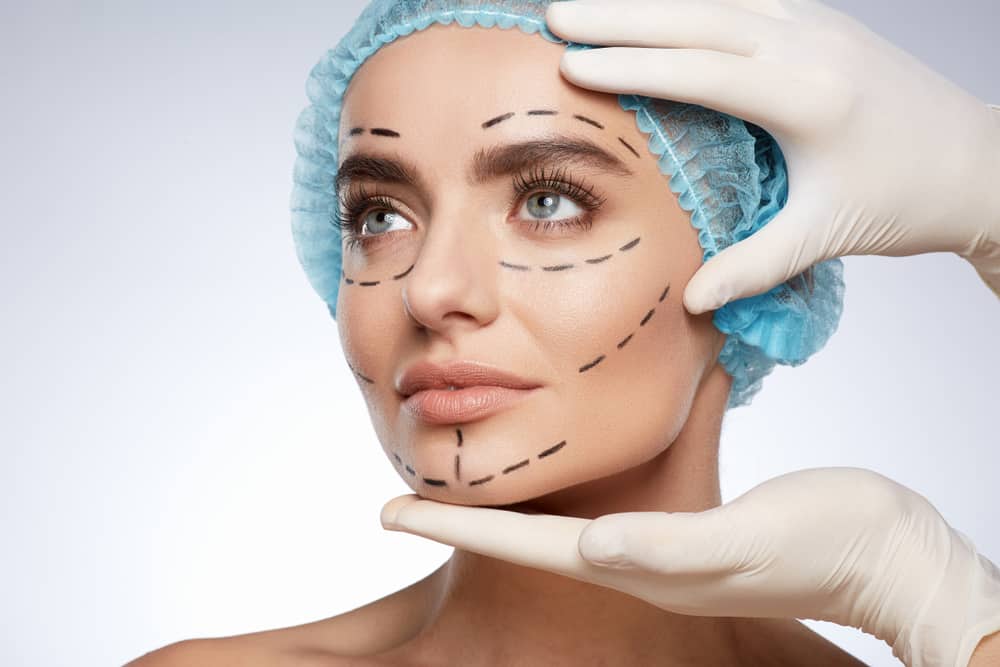
Cosmetic surgery has become increasingly popular in Dubai, where a blend of modern healthcare and advanced technologies has made the city a global hub for aesthetic treatments. However, as with any medical procedure, cosmetic surgery carries potential risks that should not be overlooked. Whether you’re considering a face-lift, liposuction, or breast augmentation, understanding these risks is crucial to making an informed decision about your health and appearance.
In this article, we’ll explore the potential risks associated with plastic surgery (جراحة تجميلية ) and provide tips on how to minimize these risks while ensuring a successful procedure.
Common Risks of Cosmetic Surgery:
Cosmetic surgery, like all surgeries, involves some degree of risk. While the chances of complications are typically low when the procedure is performed by skilled professionals, it’s important to be aware of the possible issues that can arise.
Infection:
Infections are one of the most common risks associated with any surgical procedure. While cosmetic surgery generally uses sterile techniques, there is still a chance of infection after the surgery. Symptoms can include redness, swelling, pain, and pus discharge from the incision site. In severe cases, infections can lead to further complications that may require additional treatments or corrective surgeries.
Scarring:
Scarring is a common consequence of cosmetic surgery. While surgeons aim to minimize visible scarring by making incisions in discreet areas, the body’s healing process can vary from person to person. Some individuals may experience more noticeable scars, especially if the healing process is delayed or if the body’s natural healing mechanisms are slower than expected. The appearance of scars can also depend on the type of procedure, the location of the incision, and the patient’s skin type.
Blood Clots:
Blood clots are another risk associated with surgical procedures. These clots can form in the legs (deep vein thrombosis) and travel to other parts of the body, including the lungs (pulmonary embolism), which can be life-threatening. To reduce the risk of blood clots, patients are often advised to move and stretch their limbs after surgery, wear compression stockings, and follow post-operative care instructions carefully.
Specific Risks Related to Different Cosmetic Procedures:
While the risks mentioned above are common across all types of cosmetic surgery, different procedures have their own specific risks. Let’s explore some of the most popular procedures and their unique risks:
Liposuction:
Liposuction is a popular procedure that removes fat deposits from areas like the abdomen, thighs, and arms. While the procedure is generally safe, it carries risks such as skin irregularities (lumps or indentations), burns from the surgical tools, and in rare cases, damage to the organs. Additionally, large volumes of fat removal can lead to complications like blood loss, shock, or fat embolism, where fat enters the bloodstream and causes blockages.
Breast Augmentation:
Breast augmentation, commonly known as breast implants, is another widely performed cosmetic surgery. Some of the risks include implant rupture, leakage, or displacement, which may require additional surgery to correct. There’s also the possibility of capsular contracture, where the tissue surrounding the implant tightens, leading to pain and discomfort. Additionally, changes in breast sensation or complications related to anesthesia can occur.
Facelifts:
Facelifts are designed to tighten the skin and remove wrinkles, creating a more youthful appearance. The risks associated with facelifts include nerve damage, hematomas (blood collection beneath the skin), and uneven or asymmetrical results. In some cases, a facelift can cause temporary or permanent numbness in the face, particularly around the ear area.
Psychological Risks and Emotional Impact:
In addition to the physical risks, cosmetic surgery also carries emotional and psychological risks. While many people undergo these procedures to improve their self-esteem, it’s important to note that the results may not always meet expectations. This can lead to disappointment, body dysmorphia, or emotional distress.
Patients may also experience anxiety or depression related to the recovery process, which can sometimes be longer and more challenging than expected. It’s essential to approach cosmetic surgery with a healthy mindset, understanding that no procedure can guarantee perfection.
How to Minimize the Risks of Cosmetic Surgery?
The good news is that there are steps you can take to reduce the risks associated with cosmetic surgery:
Choose a Qualified Surgeon:
Selecting a skilled, experienced surgeon who specializes in the specific procedure you’re considering is essential for reducing risks. In Dubai, there are many professionals who are highly trained in cosmetic surgery. Make sure to verify their qualifications, certifications, and reviews before proceeding.
Follow Pre- and Post-Surgery Instructions:
Before and after surgery, it’s crucial to follow the surgeon’s instructions carefully. This includes avoiding certain medications, fasting before surgery, and taking proper care of the surgical site after the procedure. Following post-operative care guidelines will ensure a smoother recovery and minimize complications.
Be Realistic About Expectations:
It’s important to have realistic expectations about the outcomes of your surgery. Cosmetic surgery can improve your appearance, but it may not create perfection. Discuss your goals with your surgeon to ensure that you understand what is achievable.
Frequently Asked Questions (FAQs):
What should I expect during the recovery period?
Recovery time varies depending on the type of procedure. Some surgeries require only a few days of rest, while others may take weeks for full recovery. Swelling, bruising, and discomfort are common but will subside over time.
How can I ensure the best results from my cosmetic surgery?
Choosing an experienced surgeon, following pre-and post-operative care instructions, and maintaining a healthy lifestyle are key to achieving the best results.
What are the signs of complications after surgery?
Look for signs such as excessive swelling, redness, severe pain, or fever, which could indicate infection or other issues. If you notice any of these, seek medical attention immediately.
Final Thoughts:
plastic surgery (جراحة تجميلية ) offers numerous benefits, but it’s essential to be aware of the potential risks involved. Understanding the possible complications, both physical and emotional, can help you make a more informed decision. By choosing a qualified surgeon and carefully following the necessary steps before and after surgery, you can reduce the risks and ensure a positive outcome.