What Does a Yoga Teacher Do
Yoga teachers are more than just instructors; they are guides, mentors, and facilitators of well-being. Their role extends far beyond leading asana (physical postures) classes, encompassing a diverse range of skills and responsibilities. In today’s wellness-focused world, the demand for qualified and compassionate yoga teachers is steadily growing, making it a fulfilling and impactful career path.

Becoming a Yoga Teacher:
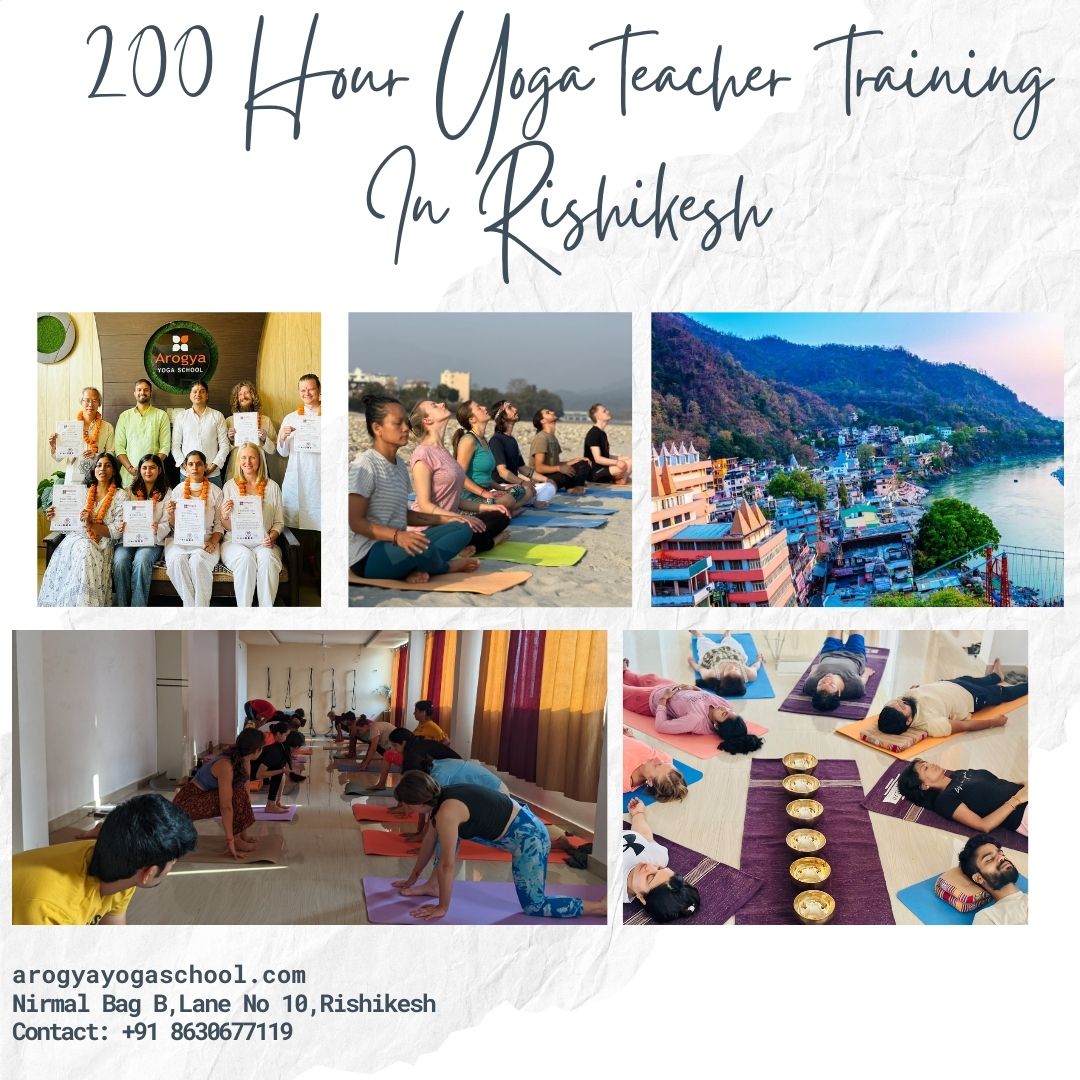
The most common path to becoming a yoga teacher is to complete a 200-hour Yoga Teacher Training (YTT) program. This program provides a comprehensive foundation in asana, pranayama, meditation, yoga philosophy, and teaching methodology. Many teachers will continue their education with 300 or 500 hour programs to increase their knowledge and marketability.
A yoga teacher plays a vital role in promoting physical, mental, and spiritual well-being. It’s a career that demands dedication, passion, and a genuine desire to help others. By cultivating the necessary skills and knowledge, and embracing a continuous learning approach, yoga teachers can make a significant positive impact on the lives of their students and contribute to a healthier and more balanced world.
Essential Skills for a Yoga Teacher:
- Strong Asana Knowledge: A deep understanding of various asanas, their benefits, and proper alignment.
- Effective Communication: Clear and concise communication skills to explain poses and provide instructions.
- Empathy and Compassion: The ability to connect with students on a personal level and create a supportive environment.
- Adaptability and Flexibility: The ability to adapt classes to different levels and needs.
- Knowledge of Anatomy and Physiology: Understanding the body’s mechanics to prevent injuries and promote safe practice.
- Mindfulness and Meditation Skills: Personal practice and the ability to guide others in meditation.
- Yoga Philosophy and Ethics: A strong foundation in yoga philosophy and ethical principles.
- Class Management and Organization: The ability to plan and manage classes effectively.
- Continuous Learning: A commitment to ongoing education and professional development.