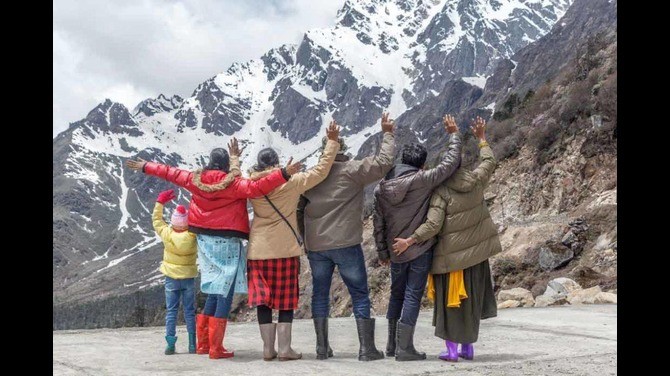
Nestled in the heart of the Himalayas, Darjeeling is a destination that has long captured the hearts of travelers from across the world. Known for its misty hills, sprawling tea estates, colonial charm, and spectacular views of Kanchenjunga, Darjeeling offers a little something for every type of traveler. But like any other popular travel destination, the experience of Darjeeling can vary greatly depending on when you decide to visit. Whether you’re planning a relaxing getaway, an adventure trip, or simply want to enjoy the beauty of the region, understanding the best time to visit Darjeeling can make all the difference in your experience.
In this article, we’ll walk you through the different seasons in Darjeeling, providing insight into what to expect during each one, so you can plan your trip at the perfect time for your preferences and interests.
The Spring and Summer Months: March to June
If you’re looking to escape the sweltering heat of the plains, the months of March to June are considered the best time to visit Darjeeling. This period falls under the spring and summer seasons and offers some of the most pleasant weather, with temperatures ranging from 10°C to 25°C. The cool and refreshing climate is ideal for sightseeing, tea garden tours, and outdoor activities.
One of the biggest draws during this time is the chance to explore Darjeeling’s lush landscapes in full bloom. The hill station is covered in vibrant flowers, with rhododendrons, magnolias, and orchids making a stunning display. Tea estates are also at their prime, as the tea bushes begin their annual harvest. Visitors can take guided tours of these beautiful estates, learning about the tea-making process and sampling some of the finest Darjeeling tea.
The months of March to June also offer excellent visibility, making it the best time to view the majestic Kanchenjunga and other Himalayan peaks. Whether you’re watching the sunrise from Tiger Hill or strolling along the famous Batasia Loop, the clear skies during this period ensure that you get uninterrupted views of the snow-capped mountains.
Another benefit of visiting during this time is the various festivals that take place. Darjeeling is home to a rich cultural heritage, and you’ll get to experience the vibrancy of local festivals like Holi (the festival of colors) in March and Buddha Jayanti in April, which celebrates the birth of Lord Buddha. These festivals provide a unique opportunity to immerse yourself in the region’s culture and traditions.
The Monsoon Season: June to September
The monsoon season in Darjeeling, which lasts from June to September, can be a bit tricky for travelers. While the sight of lush green hills and the mist rolling down the mountains creates a magical atmosphere, the heavy rains during this time can lead to some challenges. The weather is characterized by frequent downpours, and the hills can become slippery, making it difficult to navigate the narrow, winding roads.
For those who love the monsoon vibe and the cool, misty environment, this might still be an appealing time to visit. The lush landscapes and mist-covered valleys do offer a unique charm that is unlike any other time of the year. However, it’s important to keep in mind that landslides are common in the region during the monsoon, which can disrupt travel plans, especially if you’re planning to explore by road. Many of the outdoor activities and trekking routes may also be closed due to the rain.
If you’re someone who enjoys a quieter, off-season experience and don’t mind the occasional rain, visiting Darjeeling during the monsoon can offer a different kind of serenity. The crowds are fewer, and you get to experience the region’s natural beauty in its most lush and vibrant form. That said, if you’re planning a trip during the monsoon, it’s crucial to keep track of the weather forecasts and be flexible with your travel plans.
The Autumn and Early Winter Months: September to December
The period from September to December is considered another ideal time to visit Darjeeling. After the monsoon season, the weather in Darjeeling becomes crisp and cool, with clear skies and breathtaking views of the Himalayas. The months of September to November are particularly popular because the landscapes are still green, the weather is pleasant, and the skies are generally clear, offering perfect conditions for sightseeing.
During this time, you can enjoy many outdoor activities, such as trekking, nature walks, and visits to the local tea estates. The Darjeeling Himalayan Railway (Toy Train) also operates during these months, giving you the chance to experience the iconic ride through the lush hills in perfect weather. The cooler temperatures make it ideal for exploring the town’s famous spots like Tiger Hill, the Peace Pagoda, and the Batasia Loop without the summer crowds.
The months of September to December also see the beginning of the festive season in Darjeeling. This is when many of the local festivals like Durga Puja and Dashain take place, infusing the town with vibrant cultural celebrations. If you visit during this time, you’ll get to witness grand processions, religious rituals, and the festive spirit that fills the air. The local food, music, and dance add to the overall experience, making it an excellent time to immerse yourself in the region’s traditions and heritage.
Winter Wonderland: December to February
If you are a fan of cold weather and snow, then the winter months of December to February are the best time to visit Darjeeling. During this period, Darjeeling experiences a significant drop in temperature, often dipping below 5°C and sometimes even reaching freezing levels. While this might not be the most comfortable weather for everyone, it is a magical time for those who love winter landscapes and snow.
The winter months offer a stunning view of the snow-covered hills and a chance to experience Darjeeling in its full winter glory. The town is beautifully decorated, and the cool weather creates a cozy atmosphere, perfect for enjoying a cup of hot Darjeeling tea by the fireplace. The snow-capped peaks of Kanchenjunga look even more majestic against the crisp blue sky, and the views from Tiger Hill and other high vantage points are absolutely breathtaking.
For those interested in snow activities, this is the perfect time to indulge in some light trekking or enjoy a peaceful walk through the snow-covered tea estates. However, it’s essential to be prepared for the cold temperatures by packing warm clothing, including thermal wear, jackets, gloves, and boots.
One downside of visiting during the winter is that some of the trekking routes and outdoor activities may be limited due to the snow. Additionally, the fog can sometimes obscure the views, especially in January and February. But for those who are drawn to the serene beauty of a snow-clad town and enjoy winter vibes, the winter months provide an unparalleled experience.
Conclusion: When Is the Best Time to Visit Darjeeling?
Ultimately, the best time to visit Darjeeling depends on the kind of experience you’re looking for. If you enjoy pleasant weather and clear views, then spring and summer (March to June) are the perfect months. For those who love monsoons and the lush, misty landscapes, June to September offers a unique charm, though you must be prepared for the rain. If you’re a fan of festive atmospheres and cool weather, September to December provides the best mix of conditions for sightseeing and cultural immersion. Finally, if you’re someone who enjoys winter’s chill and the sight of snow-capped peaks, the winter months of December to February will give you an experience like no other.
No matter when you decide to visit, Darjeeling’s natural beauty and charming atmosphere will leave a lasting impression. So, plan your trip according to the season that best suits your preferences, and get ready to explore the magic of the Queen of the Hills!