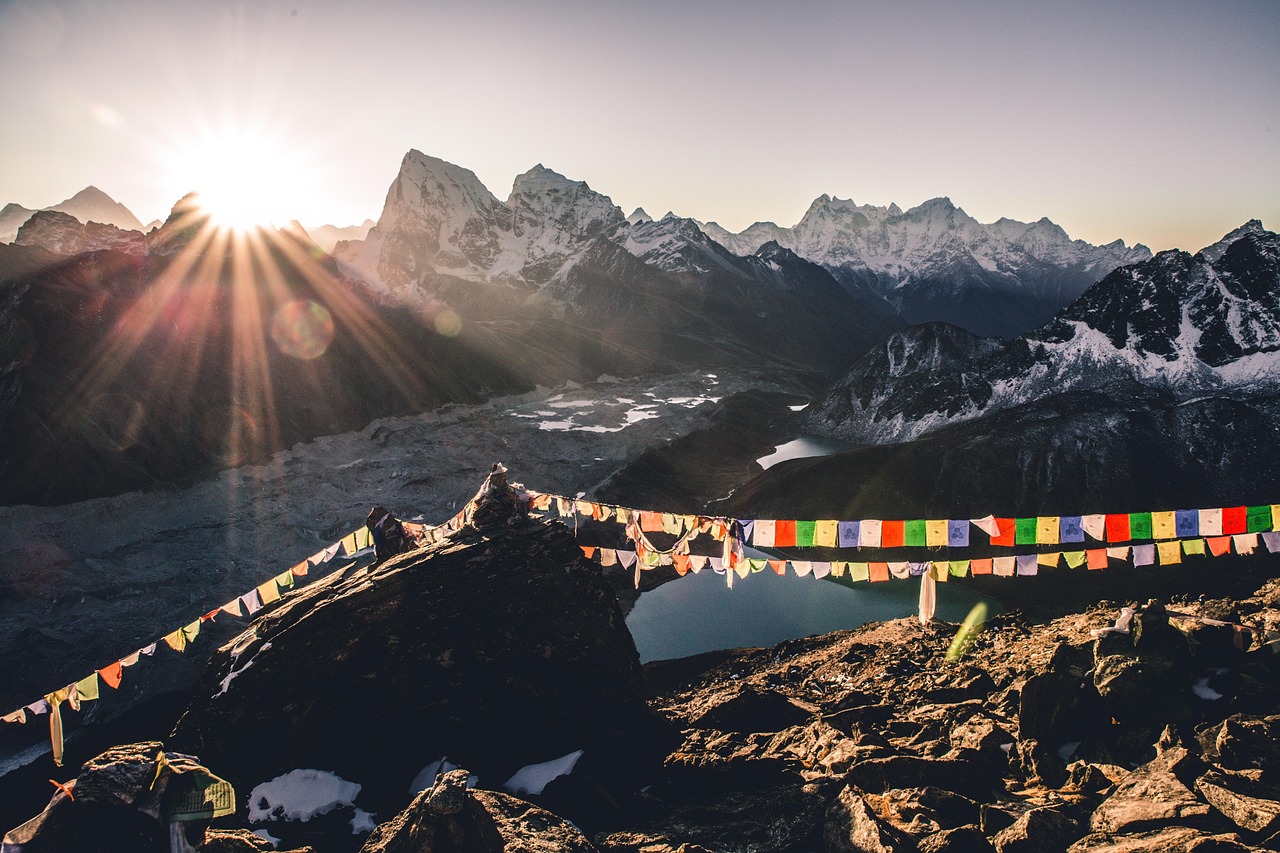
Lobuche Peak, which is 6,119 meters (20,075 feet) high in the Everest region of Nepal, is one of the most sought-after trekking peaks for climbers wanting to experience a slice of the Himalayan beauty without the outright technical challenge of other taller peaks like Everest or Lhotse.
It offers a thrilling mix of trekking and simple climbing, making it a magnet for trekkers from all over the world. But before you start packing your bags, you should know how much it costs to climb Lobuche Peak so that you can plan your trip without any financial surprises.
In this blog, I am providing you with a complete overview of the various costs you can expect on your Lobuche Peak adventure.
Understanding the Overall Cost Structure
The cost of Lobuche Peak climbing depends on several factors permits, guide and Sherpa support, equipment, transportation arrangements, food and accommodation, insurance, and other miscellaneous expenses. Overall, a Lobuche Peak climbing trip can cost between USD 2,500 to USD 4,000, depending upon how you organize the expedition. This wide cost range allows for budget trekkers who are willing to accept minimal services, as well as those who prefer guided, full-service packages.
Permits
There is no Nepal climb possible without the right permits, and Lobuche Peak is no exception. Not only are these permits mandatory, but they also get your climb registered with the government and conducted in a secure manner.
Lobuche Peak Climbing Permit
The single most vital permit to climb Lobuche Peak is issued by the Ministry of Culture, Tourism, and Civil Aviation of Nepal. This permit currently costs around USD 500 per climber. The fund is utilized for conservation and mountain management, and the fee must be paid through a registered trekking or climbing agency.
Sagarmatha National Park Entry Permit
Since Lobuche Peak falls under the Sagarmatha National Park, climbers also need to possess a park entry permit, which is approximately USD 30. The park protects the Everest region’s delicate ecosystem, and the fee helps maintain trails and infrastructure.
TIMS Card is required for all trekkers in the Everest region and costs approximately USD 20. It helps maintain a record of the number of trekkers visiting the trekking zones and also offers added safety by registering your trekking information.
Combined, the permits will cost you around USD 550 to USD 600, depending on current government charges and any changes in fees. Obtaining the permits via a good trekking agency will save you time and hassle as they handle all the paperwork on your behalf.
Guide, Sherpa, and Support Team Costs
While Lobuche Peak is not the most technically difficult climb, professional support greatly increases your prospects for success and safety. Most climbers hire a guide and Sherpa support.
Climbing Guide
Professional climbing guides cost USD 30 to USD 50 per day. Their high-altitude climbing experience, route knowledge, and safety expertise are most appreciated if this is your first Himalayan peak.
Sherpa Assistants
Sherpas benefit climbers by carrying loads, setting up camps, and providing on-route assistance. Sherpas would cost between USD 25 to USD 40 per day. Sherpas are worth having as team members because they have local experience and an acclimatization advantage.
Cook and Porters
Most treks hire cooks to make nutritious food and porters to carry shared trekking gear and provisions. These services can cost anywhere from USD 20 to USD 40 per day, depending on the number of support staff.
For a 12-15 day expedition, guide and support staff costs can reach USD 600 to USD 900. Hiring a quality agency that pays their staff well will ensure better quality service and a smoother climb.
Equipment Costs
You’ll need the right gear for Lobuche Peak, where you’ll be managing snow, ice, and rock at high altitudes. If you lack climbing equipment, rental is a common and inexpensive practice in Lukla or Kathmandu.
Climbing Equipment Rental
The gear required includes crampons, ice axes, climbing harnesses, helmets, carabiners, ropes, and mountaineering boots. Rental of the equipment typically costs between USD 200 to USD 350 for the expedition period.
Personal Gear
On top of technical climbing gear, you’ll need decent trekking clothes, thermal layers, a down jacket, gloves, and a sleeping bag rated to sub-freezing temperatures. If you need to purchase these, budget them in quality gear isn’t inexpensive but a worthwhile investment.
Travel Insurance
Don’t overlook the insurance cost. A good travel insurance policy covering high-altitude trekking and emergency evacuation is essential. Policies cost between USD 100 and USD 200 and provide cover against unforeseen circumstances.
Travel and Accommodation Expenses
Kathmandu to Lukla Flights: The entrance point of the Everest region trek and climb, Lukla, is accessible primarily by air. The Kathmandu to Lukla return flights cost between USD 350 to USD 400. The flights are both scenic and susceptible to weather delays, so add some buffer days.
Accommodation
Tea houses and lodges along the trekking route offer simple but comfortable rooms with communal bathrooms. The accommodation may range from USD 5 to USD 15 per night, depending on the location and time of year.
Food
Food in the Everest area may range from USD 10 to USD 20 per day. The menus mostly include Dal Bhat (rice and lentils), noodles, soups, and other simple but energy-filled food to keep you going.
Extra Transport
You may need to pay for airport transfers, local taxis, or jeep rides in Kathmandu or along the trekking route. These are relatively small expenses but worth including in your budget.
Miscellaneous Expenses
Tipping
It is customary to tip guides, Sherpas, porters, and cooks after the expedition. The amount of tip is usually 10-15% of their total fees. For the entire team, you can reserve about USD 100 to USD 150 as a tip.
Communication
If you want to stay connected via mobile data or Wi-Fi, you can buy a local SIM card with data that will cost around USD 20 to USD 30.
Emergency Fund
Always have some additional funds for emergencies, last-minute gear replacements, or weather delays.
Total Estimated Costs
Here’s a quick overview table to tally your costs for the Lobuche Peak climb:
- Climbing and trekking permits: USD 550 to 600
- Guide and support team costs: USD 600 to 900
- Equipment rental: USD 200 to 350
- Kathmandu to Lukla flights (round trip): USD 350 to 400
- Accommodation and food: USD 150 to 300
- Travel insurance: $100 to $200
- Miscellaneous expenses and tips: $100 to $150
How to Manage Costs and Save Money on Lobuche Peak?
To reduce costs without compromising safety and experience if that is your preference, the following pointers are useful:
Book early
Permits and flights can be more expensive during peak climbing seasons. Booking early can get you lower prices.
Choose local agencies
Nepalese operators are less expensive than international operators and provide real support while benefiting the local economy.
Travel in a group
Booking guides and porters in a group reduces the individual cost.
Rent equipment
There are rental stores in Kathmandu and Lukla that offer quality climbing equipment at reasonable prices.
Travel during the off-season
Avoid peak months of April-May and October-November when the prices are bound to increase.
Final Thoughts
Climbing Lobuche Peak is a thrilling and rewarding adventure, but it requires careful financial planning. On average, expect to invest about USD 2,500 to 4,000 for a full expedition, depending on your preferences and climbing style. While the cost might seem substantial, it covers all the essentials for a safe and successful climb in the iconic Everest region.
Pay for an expert guide, permits required, good equipment, and insurance, and you will be able to enjoy your climb without any avoidable risk or worry.
Budget your expenses well, and you will have nothing but the wonderful experience of standing on the summit of Lobuche Peak, with some of the most gorgeous mountains on our earth as your backdrop.
If you require assistance in finding credible agencies or minute itinerary planning, do not hesitate to contact us. Your Himalayan experience is waiting!