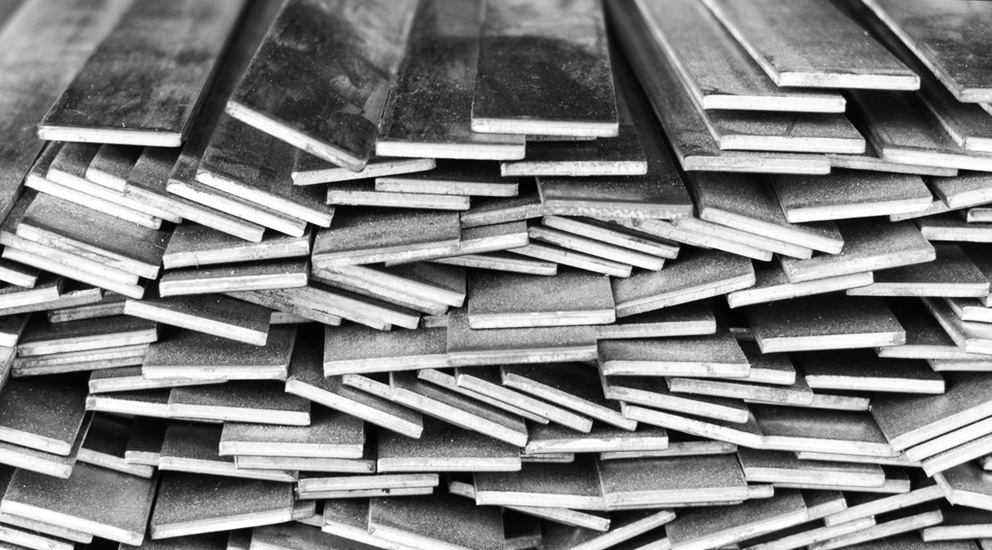
The mild steel (MS) flat—an essential structural component in construction, fabrication, and manufacturing—has come a long way from its humble beginnings. Traditionally valued for its affordability and weldability, MS flats are now benefitting from cutting-edge innovations in alloy development and processing techniques. Two breakthroughs are reshaping the MS flat landscape: the introduction of high-strength steel alloys and the application of precision rolling technologies. Together, they unlock new performance levels in load-bearing capacity, weight reduction, dimensional accuracy, and surface quality—broadening the range of applications where MS flats can excel.
1. The Rise of High-Strength MS Alloys
1.1 From Standard Grades to Advanced Compositions
Conventional MS flats generally conform to grades like IS 2062 E250/E350 or ASTM A36, offering yield strengths in the range of 250–350 MPa. While adequate for many static structural tasks, these grades demand larger cross-sections when higher load capacities are required. To address this, steelmakers have developed microalloyed and thermo-mechanically processed mild steels that deliver yield strengths of 400 MPa (E400) and beyond—without sacrificing ductility or weldability.
- Microalloying Elements: Adding small amounts (0.02–0.10%) of vanadium, niobium, or titanium refines grain structure and precipitates carbides/nitrides. This microstructure strengthening boosts yield strength by 30–50% over conventional grades.
- Thermo-Mechanical Control Processing (TMCP): In-line controlled rolling and accelerated cooling refine ferrite grain size and produce a fine bainitic or martensitic microstructure. TMCP MS flats can achieve yield strengths up to 450 MPa while maintaining elongation above 20%.
1.2 Benefits of High-Strength Flats
- Reduced Section Sizes: Higher strength means slimmer flats can perform the same structural role, saving steel tonnage and lowering material costs.
- Improved Seismic Performance: Finer grain structures enhance energy absorption under cyclic loads—a boon for earthquake-resistant design.
- Enhanced Weld Integrity: Despite higher strengths, modern microalloyed steels maintain excellent weldability, minimizing the risk of brittle heat-affected zones.
2. Precision Rolling: Beyond Dimensional Tolerances
2.1 What Is Precision Rolling?
Precision rolling refers to advanced rolling mill setups that incorporate features such as:
- Automated Roll Gap Control: Real-time adjustment of roll spacing using hydraulic or servo-electric actuators.
- Closed-Loop Gauge Measurement: Laser or ultrasonic thickness gauges feed back to the mill’s control system, ensuring thickness tolerances within ±0.05 mm.
- High-Rigidity Mill Stands: Enhanced mill stiffness minimizes deflection under high rolling loads, improving flatness and profile control.
2.2 Advantages for MS Flats
- Tighter Dimensional Control: Critical for applications where precise interfacing with machined parts or welded assemblies is required (e.g., machine frames, automation fixtures).
- Superior Surface Finish: Reduced scale and surface waviness decrease the need for downstream grinding or polishing—cutting production time and costs.
- Consistent Mechanical Properties: Uniform thickness and flatness lead to predictable forming and bending behavior, reducing scrap rates in fabrication shops.
3. Synergy: High-Strength Alloys Meets Precision Rolling
Combining high-strength alloys with precision rolling unlocks performance levels unattainable through either innovation alone:
- Ultra-Slim, High-Load Flats: Imagine an MS flat that’s 25% thinner than a conventional E250 section but can carry the same load—thanks to an E450 grade rolled to ±0.03 mm thickness tolerance.
- Fabrication-Ready Profiles: Consistent hardness and thickness means less rework after cutting, drilling, or bending. Welders encounter fewer surprises in heat-affected zones, speeding up assembly.
- Architectural Quality: Flats used in decorative façades or exposed structural elements benefit from smooth finishes and uniform, bright surfaces—often ready for powder coating or painting without pre-treatment.
4. Industry Applications and Case Examples
- Automotive Fixtures and Jigs: High-strength MS flats serve as precise rails and supports in automated welding cells. Narrow tolerances ensure robotic end-effectors maintain alignment within microns.
- Seismic-Rated Structural Beams: In mid-rise buildings, MS flats in E400/E450 grades can replace bulkier channels or angles in bracing systems—lowering overall steel weight and foundation costs.
- Renewable Energy Mounting Frames: Solar PV trackers and wind-turbine substructures demand corrosion-resistant MS flats. Precision-rolled, microalloyed flats meet both strength and flatness requirements for fast, accurate assembly on site.
5. Considerations for Specification
When drafting project specifications, engineers and procurement teams should:
- Specify Grade and Strength: Clearly state the minimum yield and tensile strength, e.g., “MS flats to conform with IS 2062 E450, yield ≥ 450 MPa, elongation ≥ 18%.”
- Define Dimensional Tolerances: For critical applications, request thickness tolerances of ±0.05 mm (or tighter), flatness within a specified camber limit, and surface finish class (e.g., Ra ≤ 3.2 µm).
- Require Mill Test Certificates (MTCs): Ensure each batch is accompanied by mechanical test reports and chemical analysis to verify microalloying element levels.
- Inspect on Arrival: Use handheld ultrasonic thickness gauges and visual flatness checks to confirm compliance before fabrication.
Conclusion
The convergence of high-strength alloy development and precision rolling processes is propelling mild steel flats into new application realms. By offering enhanced load capacities, tighter tolerances, and superior surface finishes, these innovations deliver both performance and cost efficiencies. Whether you’re designing earthquake-resistant structures, precision machine components, or large-scale manufacturing jigs, consider specifying microalloyed, precision-rolled MS flats—and reap the benefits of this exciting evolution in steel technology.