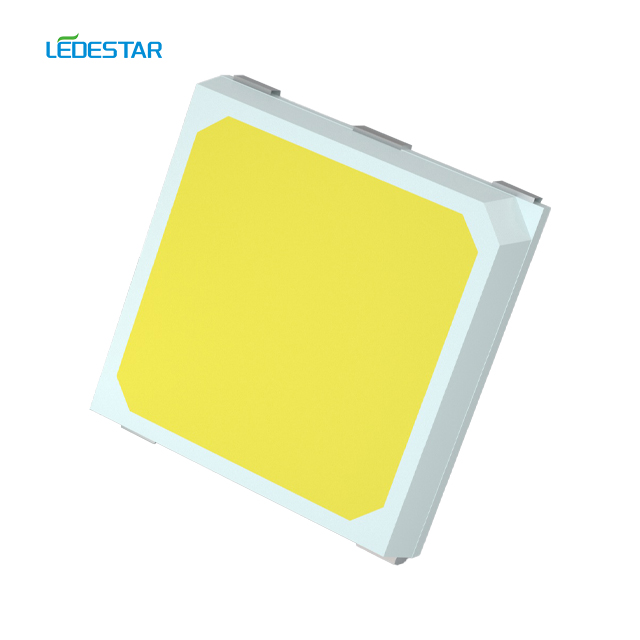
In the realm of agriculture and horticulture, the role of lighting has undergone a transformative journey over the past few decades. From relying on traditional methods of sunlight and incandescent bulbs to the revolutionary advent of LED (Light Emitting Diode) technology, the evolution of horticultural lighting has significantly impacted crop cultivation and indoor farming practices.
Early Days: Sunlight and Incandescent Bulbs
For centuries, sunlight has been the primary source of light for plant growth. As agriculture moved indoors and urbanization increased, relying solely on natural light became impractical. This led to the development of artificial lighting, starting with incandescent bulbs in the late 19th century. While these bulbs emitted light, they were inefficient, generating significant heat and consuming large amounts of energy compared to the light they produced.
The Shift to Fluorescent and HID Lighting
In the mid-20th century, fluorescent lamps emerged as a more energy-efficient alternative to incandescent bulbs. These tubes produced a broader spectrum of light suitable for plant growth and were cooler than incandescent bulbs, making them safer to use in close proximity to plants.
High-Intensity Discharge (HID) lamps, such as Metal Halide (MH) and High-Pressure Sodium (HPS) lamps, gained popularity from the 1960s onward. MH lamps emit a bluish light ideal for vegetative growth, while HPS lamps emit a reddish-orange light that promotes flowering and fruiting. HID lamps became the industry standard for indoor horticulture due to their efficiency and ability to produce high-intensity light.
The LED Revolution
The real revolution in horticultural lighting began with the widespread adoption of LED technology in the early 21st century. LEDs offer numerous advantages over traditional lighting sources:
- Energy Efficiency: LEDs consume significantly less electricity than incandescent, fluorescent, or HID lamps. They convert a higher percentage of electrical energy into usable light, making them more cost-effective to operate.
- Customizable Spectra: Unlike HID lamps, which emit light across a broad spectrum, LEDs can be engineered to emit specific wavelengths of light. This capability allows growers to tailor the light spectrum to match the exact needs of different plant species and growth stages, optimizing photosynthesis and overall plant health.
- Longevity and Durability: LEDs have a much longer lifespan than traditional lighting sources, reducing maintenance costs and downtime for growers. They are also more durable and less prone to breakage, making them suitable for harsh growing environments.
- Compact Design: LED fixtures are often more compact and lightweight compared to HID fixtures, offering flexibility in installation and allowing for closer placement to plants without causing heat damage.
Applications and Innovations
LED technology has spurred innovations in vertical farming, urban agriculture, and greenhouse production. Vertical farming, in particular, has benefited from LED lighting due to its ability to provide consistent and uniform light distribution in stacked growing systems. LED grow lights have also enabled year-round cultivation in regions with limited sunlight, contributing to food security and sustainable agriculture practices.
Challenges and Future Prospects
While LED technology has revolutionized horticultural lighting, challenges remain. The initial cost of LED fixtures can be higher than traditional lighting systems, although this is often offset by energy savings and increased crop yields over time. Additionally, optimizing light spectra for specific crops and growth stages requires ongoing research and development.
Looking ahead, advancements in LED technology, such as the development of smart lighting systems and the integration of sensors and automation, hold promise for further enhancing crop productivity and resource efficiency in horticulture. As the demand for locally grown produce and sustainable farming practices continues to grow, the evolution of horticultural lighting will play a pivotal role in shaping the future of agriculture.
In conclusion, from humble beginnings with sunlight to the groundbreaking capabilities of LED chips, the evolution of horticultural lighting underscores the pivotal role of technology in agriculture. As we continue to innovate and refine lighting solutions, the quest for more efficient, sustainable, and productive farming practices remains at the forefront of horticultural research and development.