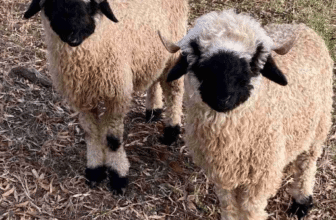
There’s something undeniably special about working with heritage breeds, especially when they bring both history and performance to the paddock. Among them, the English Leicester sheep are quietly gaining traction, and for good reason. These long-wool beauties aren’t just easy on the eyes; they’re productive, adaptable, and full of character. But getting the best out of them takes a bit of know-how and a fair dose of good management. Whether you’re running a small hobby farm or scaling up your operation, a few key tips can make a world of difference in raising a healthy, thriving flock.
Getting to Know the Breed
When it comes to heritage breeds that punch well above their weight in both wool and meat production, English Leicester sheep in Australia are finally getting the recognition they deserve. These old-world sheep, with their distinctive long wool and upright posture, are incredibly well-suited to a range of Aussie conditions, from temperate coastal areas to chillier highland regions. But like any breed, they thrive best with the right care, a bit of planning, and a solid understanding of what makes them tick.
Feed, Forage and Paddock Prep
One of the key things to keep in mind when raising English sheep in Australia is pasture quality. This breed loves open space and quality forage, and while they’re known for being quite hardy, they won’t reach their full potential on tired or overgrazed land. Rotational grazing works a treat for English Leicesters, as it maintains pasture health, and keeps the sheep moving and reduces parasite loads naturally. Supplementing with a balanced mineral lick, especially in regions with trace element deficiencies, can help fill any nutritional gaps.
Wool Care and Shearing Know-How
The long, lustrous fleece of English Leicester sheep in Australia is one of the breed’s biggest drawcards, especially for artisan spinners and weavers. The wool grows quickly and needs to be sheared at least once a year, twice in warmer climates can make a big difference in keeping the fleece cleaner and the sheep more comfortable. Their wool tends to stay clean with less lanolin, which makes for easier processing and a premium end product. If you’re aiming to market fleece or fibre, regular handling and paddock cleanliness are game changers when it comes to fleece quality.
Breeding with Purpose
These sheep are known for producing strong, vigorous lambs, and their calm temperament makes them great mothers. Timing your breeding season around pasture availability helps ensure that ewes are in peak condition before lambing. It’s also wise to keep an eye on ram selection, working with breeders who maintain registered bloodlines can ensure consistency in fleece quality, body structure, and temperament. Some producers also look to cross English Leicesters with other breeds to introduce hybrid vigour while preserving the traits that make this breed special.
Keeping Parasites in Check
Like most sheep breeds in Australia, English sheep can be prone to internal parasites if not managed proactively. Regular faecal testing, pasture rotation, and strategic drenching schedules are essential to keeping worm burdens low. Their sturdy wool and body structure can make them a bit more resilient, but no breed is entirely immune. Flystrike prevention should also be top of mind, especially during wet and humid periods. Crutching and monitoring for signs early will save you a lot of heartache down the line.
Building a Sustainable, Profitable Flock
Whether you’re running a full-scale sheep operation or starting out with a smaller boutique setup, English Leicester sheep in Australia offer a unique combination of heritage charm and modern practicality. Their fleeces command a premium in niche wool markets, and their adaptability means they can comfortably co-exist with other livestock or diversify an existing flock. With the right attention to breeding, paddock management, and wool care, these sheep aren’t just a nod to the past, as they’re a smart move for the future of Australian farming.