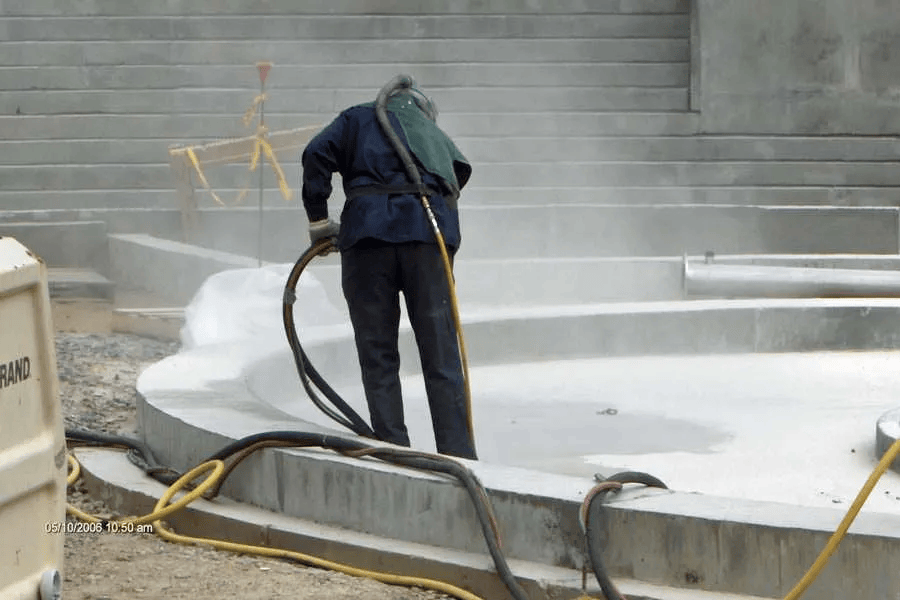
Metal structures face a relentless enemy: corrosion. From manufacturing facilities to storage tanks, rust silently weakens industrial assets and shortens their operational lifespan. Professional sandblasting or abrasive blasting offers a proven solution to combat this deterioration and protect your valuable metal infrastructure.
Why Does Metal Corrode So Quickly?
Metal corrosion occurs when iron and steel react with oxygen and moisture in the environment. This electrochemical process creates iron oxide—commonly known as rust—that eats away at metal surfaces. Industrial environments accelerate this damage through exposure to chemicals, salt, humidity, and temperature fluctuations.
Without proper intervention, corrosion spreads rapidly beneath paint and coatings. Surface rust penetrates deeper into the metal substrate, causing structural weakness and eventual failure. The financial impact extends beyond replacement costs to include production downtime and potential safety hazards.
How Does Sandblasting or Abrasive Blasting Remove Rust Effectively?
Sandblasting—also called abrasive blasting—uses high-pressure streams of abrasive media to strip away rust, mill scale, and old coatings. This mechanical process thoroughly cleans metal surfaces sometimes down to the bare substrate. Unlike chemical treatments or hand tools, sandblasting services reach into pits, crevices, and irregular surfaces where corrosion hides.
The abrasive particles impact the metal at velocities that pulverize rust and contaminants. This creates a clean, profiled surface ideal for new protective coatings. The process removes all corrosion products without damaging the underlying metal structure.
Industrial sandblasting companies use various abrasive media depending on the project requirements:
- Steel grit and shot for aggressive rust removal
- Aluminum oxide for precision cleaning
- Glass beads for delicate surfaces
- Coal slag for heavy-duty applications
What Makes Sandblasting Superior to Other Methods?
Traditional rust removal techniques fall short of sandblasting’s effectiveness. Wire brushing only addresses surface-level corrosion and misses hidden rust. Chemical strippers create environmental concerns and require extensive safety protocols. Power washing lacks the mechanical action needed to remove embedded scale.
Sandblasting delivers complete surface preparation in a fraction of the time. A skilled operator can clean hundreds of square feet per hour depending on the level of the blast. The process can achieve up to SSPC-SP5 white metal standards—the highest cleanliness level recognized by coating manufacturers. This thorough preparation ensures maximum adhesion for protective coatings especially if in submerged applications
The method works on complex geometries that other techniques cannot reach. I-beams, structural steel, tanks, and machinery all benefit from sandblasting’s versatility. Sandblasting companies equipped with mobile units bring this capability directly to your facility, eliminating transportation costs.
How Does Surface Preparation Impact Coating Performance?
Paint and protective coatings only perform as well as the surface beneath them. Applying new coatings over rust, oil, or mill scale guarantees premature failure. The coating cannot bond properly to contaminated surfaces, leading to blistering, peeling, and accelerated corrosion.
Sandblasting creates an anchor profile—microscopic peaks and valleys—that dramatically improves coating adhesion. This mechanical bond provides significantly better performance than coatings applied to smooth surfaces. Studies show properly prepared surfaces extend coating life by 300% or more.
The profile depth ranges from 0.5 to 5 mils, depending on coating requirements. Light profiles suit thin-film coatings while heavy-duty industrial coatings need deeper profiles. Professional sandblasting services facilities match profile specifications to your coating system for optimal results.
What Surface Cleanliness Standards Apply?
Industry standards define specific cleanliness levels for sandblasted surfaces. The Society for Protective Coatings (SSPC) established these benchmarks to ensure consistent quality across industrial applications.
SSPC-SP5 white metal blast cleaning represents the highest standard. This level removes all visible rust, mill scale, paint, and foreign matter from the surface. It suits critical applications like chemical plants, refineries, and marine environments where coating failure could have serious consequences.
SSPC-SP7 brush-off blast cleaning allows for some residual staining but removes loose rust and mill scale. This standard works well for maintenance recoating where the existing coating remains largely intact. The appropriate standard depends on coating specifications, environmental exposure, and project requirements.
Certified inspectors verify cleanliness using visual comparators and surface tests. This quality control protects your investment in new coatings and ensures long-term performance.
How Long Do Sandblasted and Coated Surfaces Last?
Properly prepared and coated metal surfaces can last 15-25 years in typical industrial environments. Harsh conditions may reduce this to 10-15 years, while protected indoor applications can exceed 30 years. The key variables include coating selection, application quality, and environmental factors.
Sandblasting removes the corrosion that would otherwise continue spreading beneath new paint. This stops the deterioration cycle and provides a stable foundation. High-performance industrial coatings applied to blast-cleaned surfaces create a barrier against moisture, chemicals, and physical damage.
Regular maintenance inspections identify minor coating failures before they compromise the substrate. Touch-up applications on properly prepared surfaces restore protection at minimal cost. This preventive approach maximizes asset lifespan and minimizes total ownership costs.
What Equipment and Safety Measures Are Required?
Professional sandblasting in Toronto operations requires specialized equipment and extensive safety protocols. Industrial compressors provide the high-pressure air needed to propel abrasive media through the system. Blast pots hold the abrasive material and regulate flow rates. Heavy-duty hoses deliver the mixture to blast nozzles designed for specific applications.
Containment systems control dust and prevent environmental contamination. Comprehensive dust-suppression systems capture airborne particles before they enter the atmosphere. Properly designed containment also protects surrounding areas from abrasive damage and allows media recovery for reuse.
Safety equipment includes:
- Supplied-air respirators for blast operators
- Full-body protective suits resistant to abrasive impact
- Sound-dampening equipment for hearing protection
- Environmental monitoring for air quality
Why Choose Professional Sandblasting Services?
The complexity and safety requirements of sandblasting demand professional expertise. Improper technique can warp thin metal, embed abrasive into surfaces, or create uneven profiles. These mistakes compromise coating performance and waste money on premature failures.
Experienced contractors understand how different metals respond to various abrasive media. They adjust pressure, distance, and angle to achieve optimal results without damage. This knowledge comes from years of hands-on experience across diverse industrial applications.
Professional operators also maintain proper waste disposal procedures and environmental compliance. Spent abrasive and removed coatings often contain hazardous materials requiring special handling. Licensed contractors manage these responsibilities according to regulations.
Protect Your Industrial Assets with Expert Sandblasting
Induspray Inc. is Canada’s premier industrial painting contractor, delivering exceptional results for complex commercial and industrial facilities. Our fully certified teams execute large-scale sandblasting projects with unmatched precision. We offer comprehensive surface preparation including professional sandblasting, advanced coating systems, and thorough quality control.
Our extensive cross-industry experience spans manufacturing, oil & gas, warehousing, and energy sectors. Every project receives meticulous attention beginning with a comprehensive site assessment and customized recommendations. Contact Induspray today to discuss your rust removal requirements and receive a detailed estimate tailored to your facility’s needs—experience the difference that specialized expertise brings to protecting your critical industrial assets.