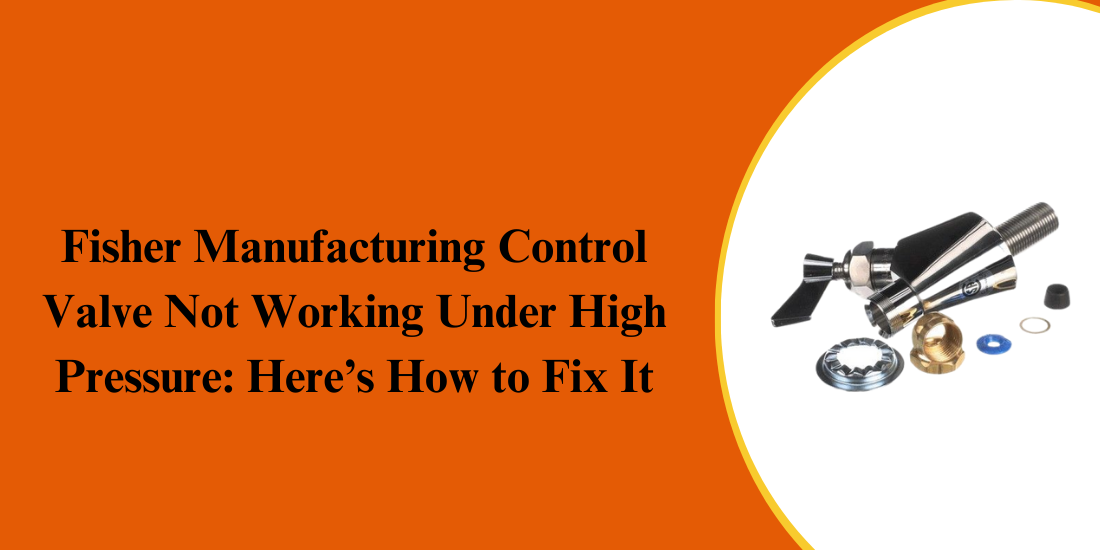
In high-demand commercial kitchens and foodservice facilities, control valves are essential for managing water flow, pressure, and temperature to ensure safe and reliable performance. When a Fisher Manufacturing control valve not working under high pressure becomes an issue, it can result in leaks, uneven water flow, temperature fluctuations, and downtime that impacts efficiency.
Common high-pressure valve problems—such as stiff handles, constant dripping, unstable water flow, or vibration—often develop gradually due to mineral buildup, worn internal seals, or pressure imbalances. Recognizing these warning signs early helps prevent damage to Fisher Manufacturing faucets, connected plumbing lines, and surrounding equipment.
This guide outlines practical, step-by-step methods for identifying and fixing Fisher control valves exposed to high pressure. By using genuine Fisher Manufacturing replacement parts and following proven maintenance practices, commercial facilities can restore consistent performance, minimize downtime, and support long-term efficiency.
Early Warning Signs of Control Valve Malfunction at High Pressure Levels
Recognizing the early indicators of valve failure is critical to avoiding costly repairs and service interruptions. High water pressure tends to accelerate wear on internal valve components, making timely detection essential.
Inconsistent Water Flow
One of the first signs of trouble is fluctuating water flow. Under high pressure, a failing control valve may to regulate volume properly, resulting in sudden surges or weak streams. This is common in older Fisher Commercial faucets & parts that haven’t been serviced regularly.
Difficulty Turning the Handle
If the valve handle feels stiff, tight, or difficult to operate, excessive pressure may be internal seals or cartridges. This resistance often indicates mineral buildup, seal deformation, internal corrosion, or worn components, which can reduce water flow, cause leaks, and affect overall valve performance.
Persistent Dripping or Leaks
High-pressure systems can force water past worn O-rings or damaged valve seats, leading to constant dripping even when the faucet is off. Over time, this not only wastes water but also can damage surrounding fixtures, corrode metal surfaces, and increase utility costs while reducing overall valve efficiency.
Unusual Noises
Whistling, banging, or vibration noises during operation often point to pressure-related valve issues. These sounds may result from turbulent water flow, cavitation, loose internal components, worn seals, mineral buildup, or partially obstructed passages, indicating the valve needs inspection and maintenance.
Temperature Control Problems
For mixing valves, unstable water temperature is another warning sign. A malfunctioning control valve may fail to balance hot and cold water correctly when pressure spikes occur.
Reduced Equipment longevity
Ignoring these symptoms can shorten the lifespan of Fisher Manufacturing replacement parts and connected plumbing components, increasing long-term maintenance costs.
Step-by-Step Fixes for Fisher Control Valves Under High Pressure
High-pressure issues in commercial kitchens can damage control valves, cause leaks, and reduce efficiency. Following proper repair steps ensures safe operation, restores performance, and prolongs the life of Fisher Manufacturing faucets.
1. Shut Off the Water Supply
- Turn off the main water supply to the faucet or valve.
- Prevents sudden discharge from high-pressure systems.
- Confirm that all downstream faucets and appliances are closed before starting repairs.
2. Relieve System Pressure
- Open the faucet briefly to release remaining pressure.
- Protects components from accidental spray or damage.
- Use towels or a bucket to catch residual water.
3. Inspect External Components
- Check the handle, bonnet, and visible fittings for cracks, looseness, or corrosion.
- Signs of wear may indicate internal problems needing attention.
- Tighten loose fittings carefully to prevent leaks.
4. Disassemble the Control Valve
- Remove the handle and bonnet carefully to access internal parts.
- Use proper tools to avoid damaging precision components in Fisher Manufacturing faucets.
- Lay out all parts in order to simplify reassembly.
5. Examine Internal Parts
- Inspect O-rings, seals, valve stems, and cartridges for wear, deformation, or mineral buildup.
- High pressure can flatten seals and erode valve seats over time.
- Check for small cracks or brittleness that could lead to failure.
6. Clean Mineral Deposits
- Remove hard water deposits using a manufacturer-approved descaling solution.
- Ensures smooth movement and prevents flow restrictions.
- Pay special attention to small grooves and narrow passages where buildup accumulates.
7. Replace Worn Components
- Use genuine Fisher Manufacturing replacement parts for proper fit and pressure tolerance.
- Avoid inferior parts to prevent recurring failures.
- Replace all damaged O-rings, seals, and washers even if only partially worn.
8. Reassemble and Test
- Reassemble the valve carefully, ensuring all parts are seated correctly.
- Slowly restore water supply and test the valve under operating pressure.
- Operate the handle several times to confirm smooth movement and proper flow.
9. Check for Leaks and Performance
- Monitor the valve for leaks, smooth operation, and consistent water flow.
- Confirm temperature and pressure regulation are stable.
- Observe performance under high-demand conditions to ensure reliability.
10. Adjust Pressure if Necessary
- Install or adjust a pressure regulator upstream if high pressure persists.
- Protects Fisher Commercial faucets & parts from future damage.
- Regularly monitor pressure levels to prevent recurring issues and extend valve lifespan.
Preventive Maintenance Tips to Avoid High-Pressure Valve Problems
Preventive maintenance is the most effective way to extend the life of control valves and avoid unexpected failures in commercial environments.
Monitor Water Pressure Regularly: Commercial plumbing systems should always operate within manufacturer-recommended pressure ranges. Excessive water pressure is one of the most common causes of control valve failure. Regular monitoring helps identify pressure fluctuations early and allows corrective actions before damage occurs.
Install Pressure Regulators: A pressure-reducing valve stabilizes incoming water pressure, protecting sensitive internal components in Fisher Manufacturing faucets. Properly installed regulators reduce pressure on valves, minimize leaks, and extend the life of commercial plumbing systems.
Schedule Routine Inspections: Regular inspections of control valves, fittings, and connected plumbing help technicians detect early signs of wear, leaks, or mineral buildup. Early detection prevents minor issues from escalating into costly repairs and downtime.
Use Genuine Replacement Parts: Always use authentic Fisher Manufacturing replacement parts for repairs or component replacement. These parts are specifically engineered to handle commercial-grade pressure and frequent use, ensuring long-term reliability and performance.
Clean Valves Periodically: Mineral deposits and debris can restrict valve movement and increase pressure on internal components. Routine cleaning with approved descaling solutions maintains smooth operation and prevents premature wear.
Train Staff on Proper Use: Incorrect handling, such as forcing stiff handles or abrupt operation, can accelerate wear and cause valve failures. Proper staff training ensures correct usage, reduces unnecessary pressure, and prolongs valve lifespan in high-demand commercial environments.
Conclusion: Maintaining Reliable Performance of Fisher Control Valves
In high-demand commercial facilities, properly functioning control valves are essential for safe, consistent, and efficient water flow. When a Fisher Manufacturing control valve not working under high pressure occurs, early detection of issues—such as stiff handles, dripping, unstable flow, or vibration—allows maintenance teams to take corrective action using genuine Fisher Manufacturing replacement parts and the right tools. Timely repair or replacement prevents leaks, reduces downtime, and protects connected plumbing and Fisher Commercial Faucets & Parts from further damage, ensuring long-term operational efficiency.
Key Takeaways:
- Inspect and replace worn seals, O-rings, and valve components regularly.
- Use manufacturer-approved Fisher Manufacturing replacement parts for reliable high-pressure performance.
- Follow proper reassembly and installation procedures to ensure leak-free operation.
- Test the valve after repair to confirm smooth, consistent water flow and temperature control.
- Schedule routine maintenance to prevent high-pressure failures and maintain long-term reliability of commercial plumbing systems.
PartsFeCA provides high-quality coffee machine, fryer, and oven parts with fast shipping across Canada, ensuring restaurants have reliable access to commercial kitchen equipment spare parts to keep daily operations running smoothly.