Introduction
Scan centers, also known as diagnostic imaging centers, play an integral role in the medical field. These facilities offer a range of imaging services that are essential for diagnosing, monitoring, and treating various health conditions. From routine check-ups to complex medical evaluations, scan centers provide critical insights into the human body’s inner workings. Discover the best scan centre in Rahon at Sidhu Hospital, offering advanced diagnostic imaging services for precise medical evaluations.
The Role and Importance of Scan Centers
Scan centers utilize advanced imaging technologies to create detailed pictures of the body’s internal structures. These images are crucial for physicians to make accurate diagnoses, plan treatments, and monitor the progression of diseases. The primary imaging modalities available at scan centers include:
X-rays:
One of the oldest and most common imaging techniques, X-rays are used to view the structure of bones and detect fractures, infections, and tumors.
Computed Tomography (CT) Scans:
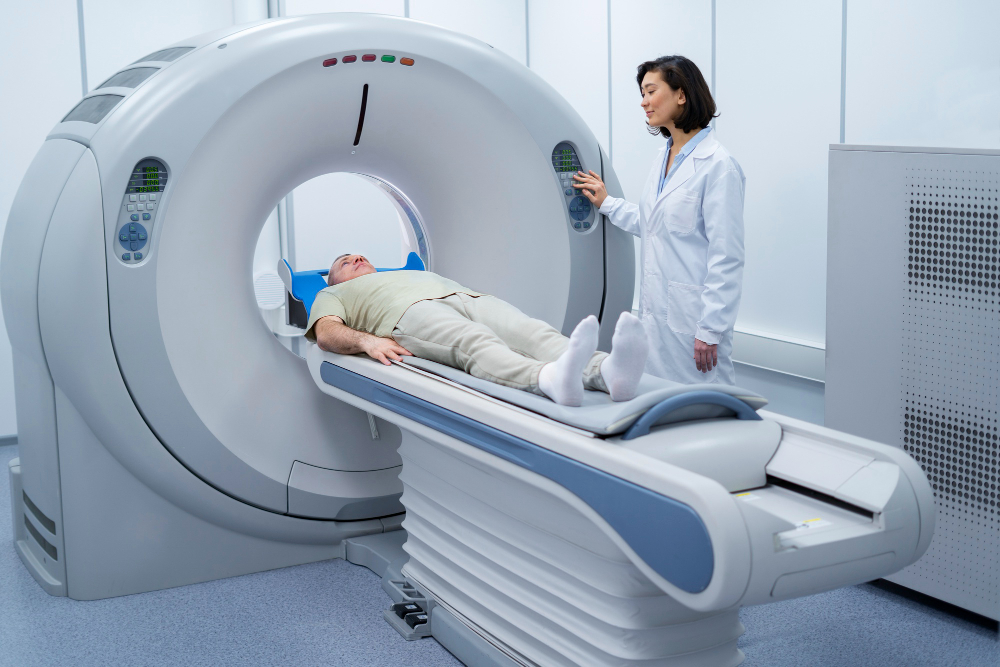
CT scans provide cross-sectional pictures of the body by combining X-ray images obtained from various angles. They are very helpful in the detection of vascular disorders, malignancies, and internal traumas.
Magnetic Resonance Imaging (MRI):
MRI uses strong magnetic fields and radio waves to generate detailed images of organs and tissues. It is highly effective for imaging the brain, spinal cord, muscles, and joints.
Ultrasound:
This technique uses high-frequency sound waves to create images of soft tissues and organs. Ultrasound is commonly used in obstetrics, cardiology, and abdominal imaging.
PET (positron emission tomography) scans:
PET scans employ radioactive tracers to monitor the body’s metabolic activities. In oncology, they are frequently employed to identify malignant tissues.
The Process: From Referral to Diagnosis
The journey at a scan center typically begins with a referral from a physician. This referral outlines the specific imaging test required based on the patient’s symptoms and medical history.
Scheduling and Preparation:
Once the referral is made, the patient schedules an appointment. Preparation varies depending on the type of scan. For example, fasting may be required for certain scans, while others may need the patient to drink contrast material.
The Imaging Process:
A qualified technologist leads the patient through the imaging process after they arrive at the scan center. Depending on the type of scan, the process might take anywhere from a few minutes to more than an hour.
Image Interpretation:
After the imaging is completed, radiologists, who are specialized doctors in interpreting medical images, analyze the results. They provide a detailed report that is sent to the referring physician.
Follow-Up:
The referring physician reviews the imaging results with the patient to discuss the findings and outline the next steps in diagnosis or treatment.
Advancements and Future Trends
Diagnostic imaging is continually being revolutionized by technological developments. The accuracy, effectiveness, and accessibility of imaging services are being improved by innovations including 3D imaging, portable imaging equipment, and artificial intelligence (AI) in image processing. AI in particular has the potential to revolutionize the discipline by helping radiologists identify anomalies more precisely.
Conclusion
Scan centers are indispensable to modern healthcare, providing critical diagnostic information that shapes patient care. As technology continues to advance, the capabilities and efficiency of these centers will only improve, leading to better patient outcomes and a deeper understanding of various medical conditions. Whether for routine check-ups or complex diagnostic evaluations, scan centers remain at the forefront of medical innovation and patient care.