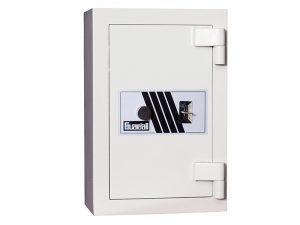
Choosing the right security safe is crucial for ensuring the protection of your valuables, documents, and other important items. Here’s the ultimate guide to help you select the perfect security safe tailored to your needs:
1. Determine Your Security Needs
- Type of Items: Identify what you need to store. Are they documents, jewellery, firearms, or a combination?
- Risk Assessment: Evaluate the potential risks such as theft, fire, or water damage to determine the level of protection required.
2. Choose the Right Type of Safe
- Fireproof Safes: Designed to protect contents from high temperatures and fire damage. Ideal for important documents and valuables.
- Burglary Safes: Built to resist forced entry and theft. Look for safes with high security ratings and robust locking mechanisms.
- Waterproof Safes: Offer protection against water damage from floods or leaks. Suitable if you’re concerned about water exposure.
- Combination Safes: Combine features like fireproof and burglary resistance for comprehensive protection.
3. Size and Capacity
- Space Requirements: Consider the size of the items you plan to store. Make sure there is enough room in the safe for them to feel comfortable.
- Available Space: Measure the area where you plan to place the safe to ensure it fits properly.
4. Locking Mechanisms
- Electronic Locks: Offer quick access and are often programmable for multiple users. Ideal for frequent use.
- Mechanical Locks: Traditional combination dials that are reliable and don’t require batteries.
- Biometric Locks: Use fingerprint recognition for advanced security and quick access.
5. Construction and Material
- Steel Thickness: Choose safes with thick steel walls for enhanced durability and resistance to break-ins.
- Bolt Down Features: Look for safes that can be bolted to the floor or wall to prevent removal.
6. Fire and Water Ratings
- Fire Rating: Check the safe’s fire rating to ensure it can withstand high temperatures for the desired duration.
- Water Rating: Verify the water resistance rating to protect against floods or spills.
7. Additional Features
- Interior Organisation: Shelves, drawers, or compartments help in organising and protecting items within the safe.
- Alarm Systems: Some safes come with integrated alarms for added security.
8. Budget Considerations
- Cost vs. Features: Make sure your needs and your budget are in balance. Investing in a high-quality safe can provide long-term benefits.
- Value of Contents: Consider the value of the items you are protecting to justify the expense.
9. Brand and Warranty
- Reputable Brands: Choose safes from well-known manufacturers with a reputation for quality and reliability.
- Warranty: Check for a warranty to cover any defects or issues with the safe.
10. Installation
- Professional Installation: Consider hiring professionals for installation, especially for larger or heavier safes, to ensure proper placement and security.
By following this guide, you can make an informed decision and select a security safe that meets your specific needs, offering you peace of mind and protection for your valuable possessions.