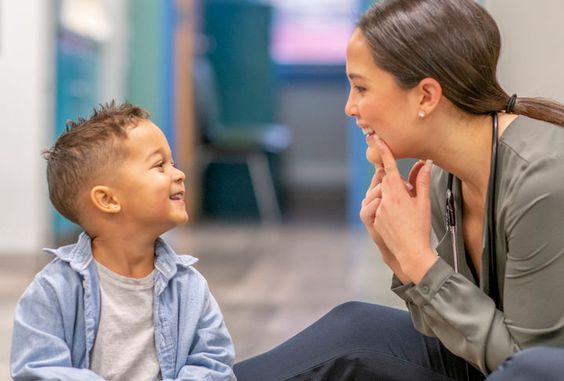
Unlocking Academic and Social Potential through Speech Therapy
In the bustling halls and classrooms of our schools, a quiet but essential service often goes unnoticed: speech therapy. Yet, its impact resonates deeply across the academic and social landscapes of our students’ lives. Today, we delve into the world of speech therapy in schools, exploring how it supports not only language development but also crucial facets of personal growth and academic success.

Understanding Speech Therapy
Speech therapy in schools is a specialized service aimed at assessing and treating communication disorders that may impede a student’s ability to speak, understand, read, write, or socialize effectively. These disorders can vary widely, from articulation disorders that affect pronunciation to language disorders affecting comprehension and expression.
The Role of Speech Therapists
At the heart of every successful speech therapy program is a dedicated speech-language pathologist (SLP). These highly trained professionals work tirelessly to identify speech and language challenges, develop personalized treatment plans, and empower students to overcome communication barriers.
Academic Benefits
The impact of speech therapy on academic performance is profound. By addressing speech and language disorders early on, students can improve their ability to follow instructions, comprehend classroom material, and express ideas coherently. This, in turn, enhances their overall academic achievement and confidence in learning.
Social and Emotional Growth
Communication is not just about words—it forms the bedrock of social interaction. For many students, speech therapy is a gateway to developing meaningful relationships, navigating social cues, and building self-esteem. By fostering clear and effective communication skills, speech therapists empower students to participate more fully in social activities and forge connections with peers and teachers alike.

Collaboration with Educators and Families
Successful speech therapy programs thrive on collaboration. Speech therapists work closely with educators to integrate strategies that support classroom learning. They also engage families in the therapeutic process, offering guidance and tools to reinforce progress outside of school hours.
Inclusive and Supportive Environments
In recent years, there has been a growing recognition of the importance of inclusive education. Speech therapy plays a pivotal role in creating supportive environments where all students—regardless of their communication abilities—can thrive. By promoting understanding and acceptance, speech therapists contribute to the creation of inclusive school communities where every voice is heard and valued.
Looking Ahead
As we look to the future, the role of speech therapy in schools will continue to evolve. Advances in technology, such as speech recognition software and teletherapy platforms, offer new avenues for delivering services more efficiently and reaching students in remote or underserved areas.
At the heart of it all, however, remains the unwavering commitment of speech therapists to empower students with the skills they need to succeed academically, socially, and beyond. Through their dedication and expertise, they ensure that every student has the opportunity to find their voice and reach their full potential.
In our next posts, we’ll dive deeper into specific techniques and success stories that highlight the transformative power of speech therapy in schools. Until then, remember that communication is more than just a means of expression—it’s a gateway to a world of possibilities.