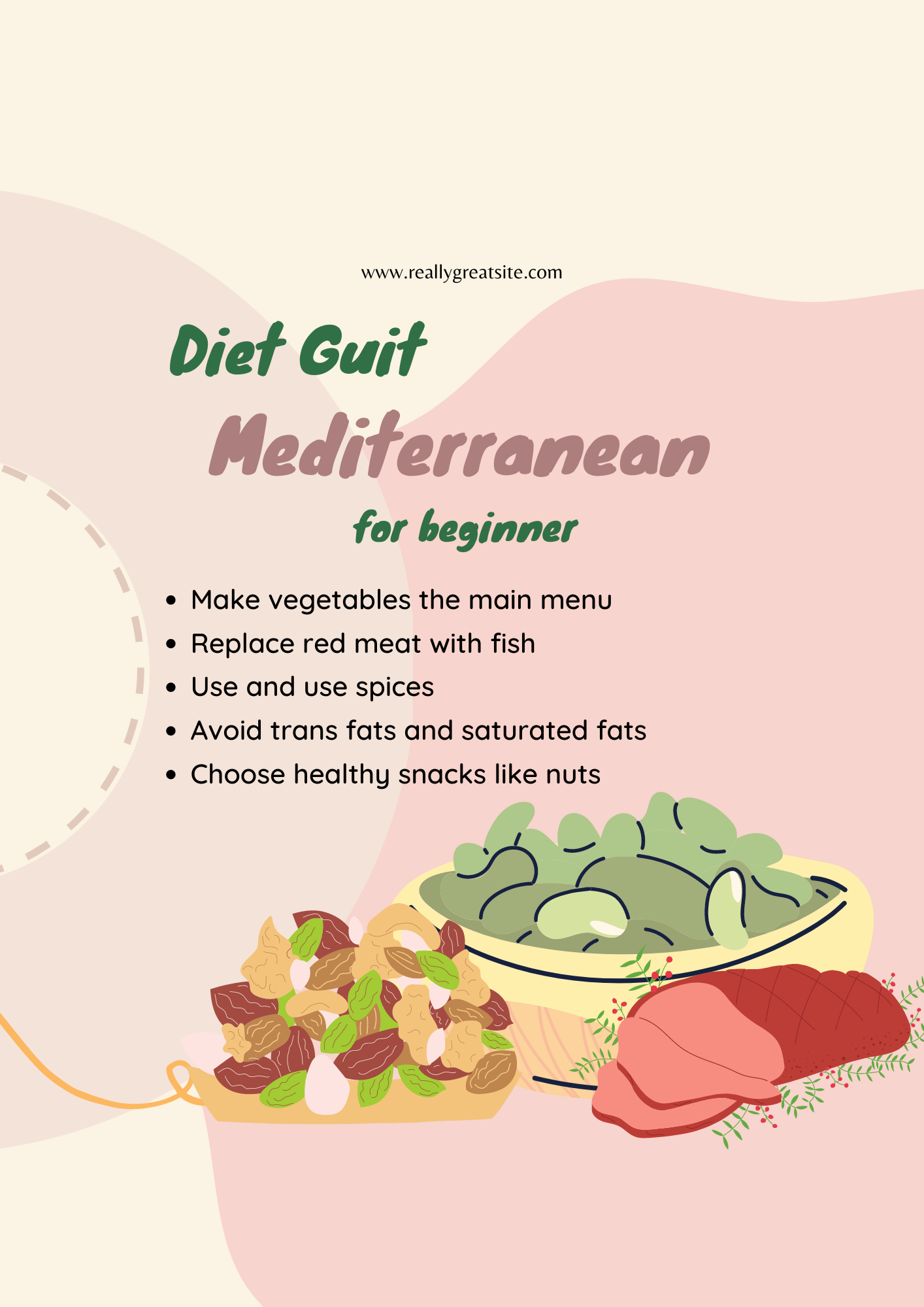
The Mediterranean diet is more than just a way of eating; it’s a lifestyle rooted in the culinary traditions of countries bordering the Mediterranean Sea. Renowned for its numerous health benefits and vibrant flavors, this diet is often celebrated as one of the healthiest eating patterns in the world. But what exactly makes the Mediterranean diet so special, and how can you incorporate it into your life?
What is the Mediterranean Diet?
The Mediterranean diet is based on the traditional eating habits of countries like Greece, Italy, and Spain. It emphasizes fresh, seasonal, and locally-sourced foods, focusing on the following key components:
- Fruits and Vegetables: A cornerstone of the diet, these foods provide essential vitamins, minerals, and antioxidants. Aim to include a variety of colors on your plate for a wide range of nutrients.
- Whole Grains: Foods such as whole wheat bread, brown rice, and quinoa offer fiber and complex carbohydrates that help keep you full and satisfied.
- Healthy Fats: Olive oil is the primary source of fat in the Mediterranean diet, known for its monounsaturated fats and antioxidants. Nuts, seeds, and avocados also contribute healthy fats to your diet.
- Lean Proteins: Fish and seafood are prominent sources of protein, offering omega-3 fatty acids that support heart health. Poultry and legumes are also included, while red meat is consumed in moderation.
- Dairy: Moderate amounts of dairy, particularly yogurt and cheese, are included, providing calcium and probiotics.
- Herbs and Spices: Flavor is enhanced with a variety of herbs and spices, such as basil, oregano, garlic, and rosemary, reducing the need for salt and adding additional health benefits.
- Wine: In moderation, particularly red wine, is a common feature, often enjoyed with meals. It’s believed to have cardiovascular benefits, though it’s not necessary for a healthy diet.
Health Benefits of the Mediterranean Diet
- Cardiovascular Health: Numerous studies have linked the Mediterranean diet to a reduced risk of heart disease. The emphasis on healthy fats from olive oil and fish, combined with a high intake of fruits and vegetables, supports heart health by reducing inflammation and lowering bad cholesterol levels.
- Weight Management: The Mediterranean diet is rich in fiber and healthy fats, which can help with satiety and weight management. Whole grains, fruits, and vegetables keep you full longer, reducing the likelihood of overeating.
- Diabetes Prevention and Management: The diet’s focus on whole grains and low glycemic index foods helps regulate blood sugar levels, which can be beneficial for preventing and managing type 2 diabetes.
- Improved Mental Health: Research suggests that the Mediterranean diet may support cognitive function and reduce the risk of mental decline and depression. The diet’s rich array of antioxidants and healthy fats plays a role in brain health.
- Longevity: Adhering to a Mediterranean diet has been associated with a longer lifespan. The combination of nutrient-dense foods, healthy fats, and regular physical activity contributes to overall well-being.
How to Embrace the Mediterranean Diet
- Start with Breakfast: Incorporate Greek yogurt with fresh fruit and nuts, or try a whole grain toast topped with avocado.
- Make Lunch Colorful: Opt for a salad loaded with a variety of vegetables, legumes, and a drizzle of olive oil. Add a side of whole grain bread or brown rice for extra fiber.
- Enjoy Dinner: Cook up a fish dish, such as grilled salmon, paired with a hearty serving of roasted vegetables and a side of quinoa. Use herbs and spices to add flavor without extra salt.
- Snack Wisely: Choose fresh fruit, a handful of nuts, or hummus with veggies for satisfying and nutritious snacks.
- Cook with Olive Oil: Use extra virgin olive oil as your primary cooking fat and for dressings. It enhances flavor while providing healthful fats.
- Share Meals: The Mediterranean diet values social connections, so enjoy meals with family and friends. The act of sharing food and conversation is a key component of the lifestyle.
Conclusion
The Mediterranean diet is more than a dietary regimen; it’s a celebration of fresh, flavorful foods and a balanced lifestyle. By embracing its principles, you can enjoy delicious meals while reaping a multitude of health benefits. Whether you’re looking to improve heart health, manage weight, or simply enjoy a more vibrant and varied diet, the Mediterranean diet offers a flavorful path to wellness and longevity. So, dive into the bounty of the Mediterranean and savor the many benefits it has to offer!