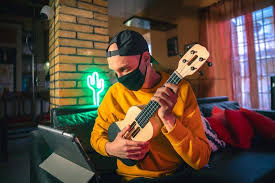
With physical venues closed due to the COVID-19 pandemic, live streaming has become a crucial way for musicians to reach their audience. This digital transformation offers new opportunities to perform and connect with fans globally. Live streaming platforms provide an immediate and interactive way for artists to maintain their presence, promote their music, and even monetize their performances during these challenging times.
Choosing the Right Platform
1.1 Popular Live Streaming Platforms: Musicians have several platforms to choose from when it comes to live streaming. Each platform offers unique features that cater to different needs:
- Facebook Live: Offers a large, built-in audience and easy sharing features. Musicians can broadcast to their followers and promote events through Facebook’s extensive network.
- Instagram Live: Great for reaching a younger audience and providing a more intimate, behind-the-scenes feel. The platform’s Stories feature also helps promote upcoming live sessions.
- YouTube Live: Ideal for high-quality streams and long-format performances. YouTube’s monetization options, such as Super Chat and membership, can provide additional income streams.
- Twitch: Originally for gamers, Twitch has become a popular platform for musicians due to its strong community engagement and monetization features like subscriptions and donations.
1.2 Evaluating Platform Features: When choosing a platform, musicians should consider factors such as audience size, engagement tools, and monetization options. For example, Facebook Live and YouTube Live offer extensive reach, while Twitch provides robust community interaction and support for long-form content.
Setting Up a Successful Live Stream
2.1 Technical Setup: A successful live stream requires the right equipment and setup:
- Cameras: Using a high-quality camera or even a good smartphone can make a significant difference. Multiple camera angles can add a professional touch.
- Microphones: Quality audio is crucial. Investing in a good microphone ensures clear and crisp sound.
- Lighting: Proper lighting enhances video quality. Soft, diffused lighting can create a professional look.
- Software: Tools like OBS Studio or Streamlabs OBS help manage multiple input sources and enhance the streaming experience with overlays and transitions.
2.2 Optimizing Sound Quality: Sound quality is paramount in live streaming music. Musicians should use external microphones and audio interfaces to capture sound accurately. Positioning microphones correctly and using soundproofing techniques can also improve audio quality. Testing the sound setup before going live can help identify and fix potential issues.
2.3 Internet Connection: A stable internet connection is essential for a smooth live stream. Musicians should use a wired connection if possible and ensure their upload speed is sufficient for streaming. Tools like Speedtest can help check connection stability and speed.
Promoting Your Live Stream
3.1 Building Hype Before the Event: Promoting a live stream is crucial for attracting viewers. Musicians should start promoting their event well in advance through social media, email newsletters, and their websites. Creating engaging promotional content, such as teaser videos and countdown posts, can build anticipation.
3.2 Utilizing Social Media: Social media platforms are powerful tools for promoting live streams. Musicians can use Instagram Stories, Facebook Events, and Twitter to keep their audience informed. Collaborating with influencers or other artists can also extend reach.
3.3 Engaging with Fans Pre-Stream: Engaging with fans before the live stream helps build a connection. Musicians can host Q&A sessions, share behind-the-scenes content, and ask fans for song requests. Creating interactive posts encourages fans to participate and look forward to the event.
Engaging with the Audience During the Live Stream
4.1 Real-Time Interaction: One of the biggest advantages of live streaming is real-time interaction with the audience. Musicians should actively engage with viewers by reading comments, answering questions, and acknowledging shout-outs. This interaction makes the audience feel valued and connected.
4.2 Incorporating Interactive Elements: Incorporating interactive elements like polls, Q&A sessions, and song requests can make the live stream more engaging. Platforms like Instagram Live and Twitch offer built-in features for interaction, enhancing the viewer experience.
4.3 Creating a Community Feel: Creating a sense of community during the live stream encourages viewer retention. Musicians can foster this by addressing viewers by name, sharing personal stories, and encouraging viewers to interact with each other in the chat.
Monetizing Your Live Stream
5.1 Exploring Monetization Options: Live streaming platforms offer various monetization options:
- YouTube: Musicians can enable Super Chat, where viewers pay to have their messages highlighted, and memberships, which offer exclusive content to subscribers.
- Twitch: Offers subscriptions, Bits (virtual currency for donations), and sponsorship opportunities.
- Facebook: Allows stars (virtual gifts that translate to money) and fan subscriptions.
- PayPal/Patreon: Musicians can also use third-party services like PayPal or Patreon to accept donations and offer exclusive content.
5.2 Offering Exclusive Content: Offering exclusive content during live streams can incentivize viewers to support the artist. This could include behind-the-scenes access, early releases, or special performances.
5.3 Selling Merchandise: Live streams provide a platform to promote and sell merchandise. Musicians can showcase their products during the stream and provide direct links for purchase.
Analyzing and Improving Future Streams
6.1 Gathering Feedback: After the live stream, gathering feedback is essential for improvement. Musicians can use surveys, social media polls, and direct messages to collect viewer opinions.
6.2 Analyzing Metrics: Analyzing metrics such as viewer count, engagement rate, and audience retention can provide insights into what worked and what didn’t. Platforms like YouTube and Facebook offer detailed analytics to help with this.
6.3 Implementing Changes: Based on feedback and metrics, musicians can make adjustments to improve future live streams. This might include changes in content, technical setup, or promotional strategies.
Conclusion: Live streaming is more than a temporary solution; it’s a powerful tool that can extend a musician’s reach and engagement beyond geographic boundaries. By leveraging the right platforms, optimizing technical setups, promoting effectively, and engaging with fans, musicians can create memorable live streaming