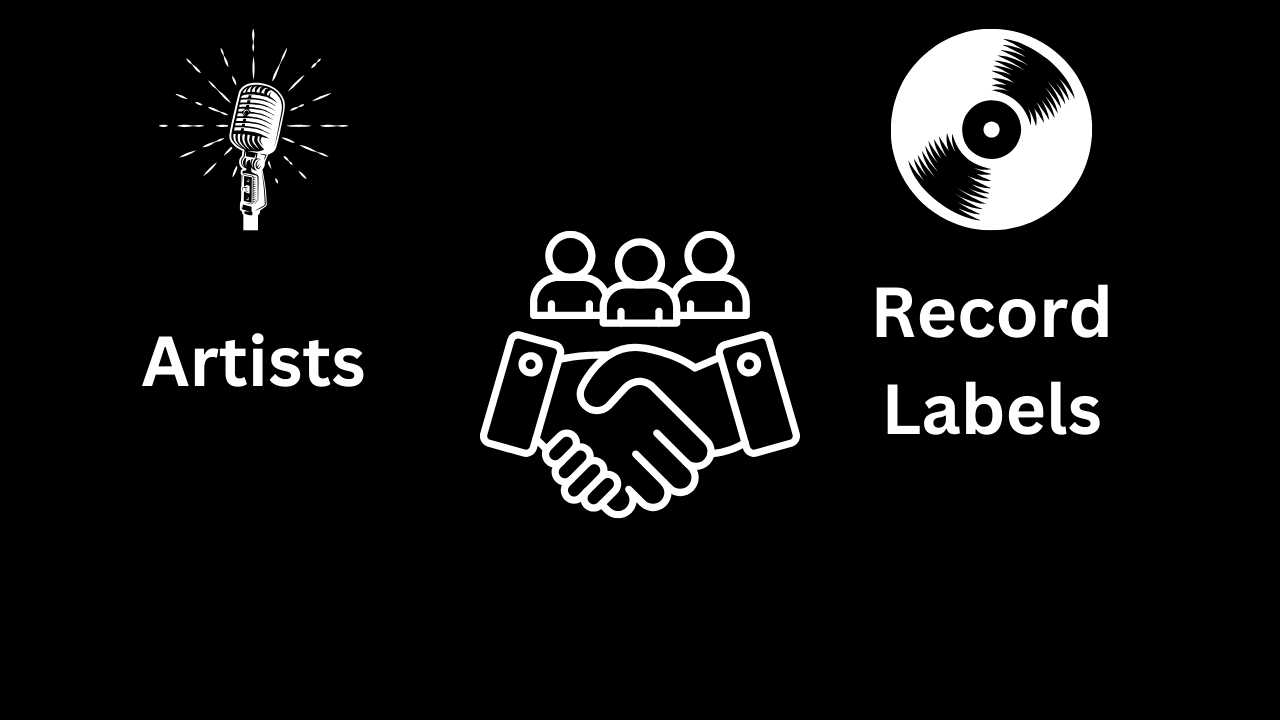
The relationship between artists and record labels has undergone significant changes over the decades. From the golden age of vinyl to the digital revolution, the dynamics between these two entities have continually evolved. Understanding this evolution provides valuable insights into the current state of the music industry and its future directions.
1. Historical Overview: The early days of record labels were marked by a dominant influence over artists. Labels were gatekeepers, discovering talent and shaping careers with significant control over the production and distribution of music.
- The Birth of Record Labels:
- In the early 20th century, record labels such as Columbia and Victor were pioneers in recording and distributing music.
- Artists had little control over their music, with labels dictating creative directions and marketing strategies.
- The Golden Age:
- The mid-20th century saw the rise of major labels like RCA, Capitol, and Motown.
- Labels invested heavily in artist development, nurturing talents like Elvis Presley, The Beatles, and Marvin Gaye.
- The focus was on creating hits, with labels providing extensive support in production, marketing, and distribution.
2. The Digital Revolution: The advent of digital technology and the internet brought seismic shifts to the music industry. The traditional model of music production and distribution was upended, leading to new opportunities and challenges.
- The Rise of Digital Platforms:
- The late 1990s and early 2000s saw the emergence of digital platforms like Napster, iTunes, and later, Spotify and Apple Music.
- These platforms democratized music distribution, allowing artists to reach global audiences without the need for major label backing.
- Decline of Physical Sales:
- The decline in physical album sales and the rise of digital downloads and streaming services reshaped revenue models.
- Record labels had to adapt to the changing landscape, finding new ways to monetize music.
- The Power of Independent Artists:
- The digital age empowered independent artists to self-produce and distribute their music.
- Platforms like Bandcamp and SoundCloud provided artists with direct access to fans, bypassing traditional label routes.
3. Current Trends: Today’s music industry is characterized by a more symbiotic relationship between artists and record labels. While labels still play a crucial role, the dynamics have shifted to accommodate new realities.
- 360 Deals:
- Also known as “multiple rights deals,” 360 deals involve labels taking a percentage of an artist’s earnings from multiple revenue streams, including touring, merchandise, and endorsements.
- These deals provide artists with comprehensive support while allowing labels to benefit from the artist’s overall success.
- Social Media and Direct Engagement:
- Social media platforms like Instagram, TikTok, and Twitter have become essential tools for artist promotion and fan engagement.
- Artists can build and maintain their own fan bases, creating a direct line of communication with their audience.
- Data-Driven Decision Making:
- Record labels increasingly rely on data analytics to make informed decisions about signing and promoting artists.
- Data from streaming services, social media, and other platforms help labels understand audience preferences and trends.
Conclusion: The artist-record label relationship has transformed from one of dependency to a more symbiotic partnership. While the digital revolution has empowered artists, labels continue to provide valuable resources and support. As the industry continues to evolve, both parties must adapt to new trends and technologies to thrive.