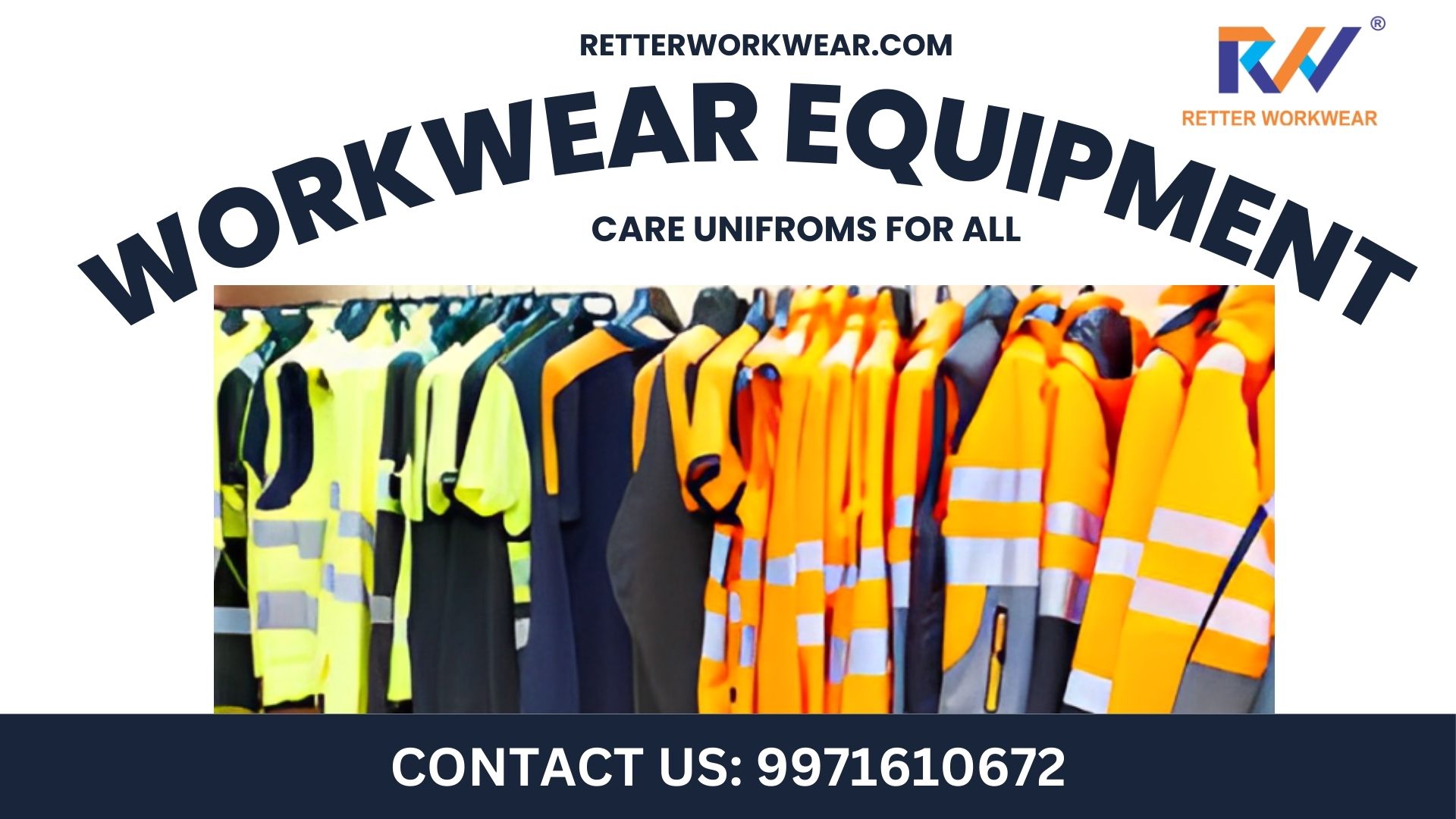
Workwear has come a long way from its modest start as tough basic clothes designed to withstand the challenges of manual work. These days, workwear makers are at the forefront of new ideas blending style, protection, and practicality to meet the needs of many different industries. Now, workwear plays a key role in today’s workplace showing both what workers need and what the company stands for, from construction areas to office buildings.
The History of Workwear
Workwear started during the industrial revolution when people realized workers needed safe and long-lasting clothes. Early workwear protected workers from tough conditions in factories, mines, and on building sites. It was made of heavy strong fabrics like wool, canvas, and denim. These clothes were built to last and do the job. They had stronger seams, lots of pockets, and buttons that could handle the daily grind of hard work. This gear wasn’t just tough – it was practical too.
Workwear changed as industries grew. In the early 1900s, companies that made special work clothes started to appear. They focused on specific jobs. Take the United States, for example. Businesses like Carhartt and Dickies began to make work clothes for people who did manual labor worked on farms, or worked on railroads. These companies knew that workers needed clothes that could stand up to tough jobs. So, they created work clothes for specific industries. People still use these types of work clothes today.
The Current Workwear Scene
Companies that make workwear now cater to a wide range of industries, from office settings to factories, hospitals, and building sites. Workwear has become a worldwide business. Today’s workwear market has seen several big shifts that have changed the field:
Innovation in Materials and Technology: To create clothes that offer comfort, function, and durability modern workwear makers are using advanced materials and tech. More and more, workwear uses fabrics that boost airflow, handle sweat, and last longer, like ripstop, Cordura, and sweat-wicking materials. What’s more, to meet the special safety and health needs of many fields, tech such as fire-resistant fabrics high-visibility materials, and germ-fighting treatments have become usual in lots of workwear lines.
Comfort and Fit in Work Clothes: You can’t stress enough how important comfort and fit are for work clothes. Clothing makers now focus more on designs that help workers move and reduce physical stress. This includes adding stretch panels extra room in the crotch, and bendy knees to give workers more comfort and flexibility. Work clothes companies also offer more sizes and fits knowing that workers come in all shapes and sizes.
Sustainability and Ethical Manufacturing: As people become more aware of environmental and social issues, workwear manufacturers face pressure to use more sustainable and ethical practices. This means they need to find eco-friendly materials, cut down on waste when making clothes, and make sure workers are treated . Some companies are also looking into circular economy models. These models focus on designing clothes that can be recycled or reused in new ways when they’re no longer wearable.
Customization and Branding: In today’s tough business world, companies are using workwear more and more to brand themselves and get employees involved. Workwear makers offer lots of ways to customize letting businesses add logos, company colors, and other brand stuff to their uniforms.
This helps to strengthen brand identity and also makes employees feel like they belong and are proud.
Notable Workwear Manufacturers Several companies have made big contributions to the workwear field, each with its own unique approach and specialty.
Carhartt: Founded in 1889, Carhartt ranks as one of the most well-known workwear brands across the globe. The company has built a name for itself by making tough durable workwear. Its famous duck canvas coats and bib overalls stand out as products designed to stand up to the harshest conditions. Carhartt has grown into a favorite brand loved by both fashion enthusiasts and workers, thanks to its move into outdoor and casual gear.
Dickies: This American workwear brand kicked off in 1922 and has since become a giant in the industry. The company stands out for its durable clothing, with its signature coveralls and work pants. Dickies has built a name for itself by offering long-lasting, budget-friendly products. It’s a big player in fields like manufacturing, auto repair, and construction.
Hansen: Based in Norway Hansen makes tough workwear for oil and sea jobs. The company began in 1877 creating waterproof clothes for fishermen. Today Hansen is known for its top-notch work gear. This includes warm clothes, fire-resistant stuff, and jackets that keep water out but let air in. People recognize Hansen for making gear that holds up in harsh conditions.
Red Kap: This company ranks among the leading providers of industrial workwear in the United States. Red Kap came into existence in 1923. People know the company well for its extensive range of uniforms. These include options for the automotive, food service, and medical fields. Red Kap’s clothes are made of materials that fight wrinkles and have treatments to release soil making them last longer.
Blaklader, a Swedish workwear company, has made a name for itself by creating top-notch innovative products for the construction and industrial sectors.
The business adds features like stronger pockets, spaces for kneepads, and loops for tools to make its designs more useful. Also, Blaklader offers a wide range of workwear for women to meet the growing demand for clothes with clear gender roles in the industry.
The Future of Workwear
Workwear will change in the years ahead because of some new trends and advances in technology. One such trend is the mix of smart materials and wearable tech with work clothes. To create clothing that can keep an eye on a wearer’s health, track movements, and even give updates on the surroundings in real-time, makers are looking into sensors, materials that conduct electricity, and other tech. This could lead to big jumps in how much work gets done and how safe workers are.
workwear needs will change. People want clothes that fit all body types, genders, and cultures. This comes from a push for more inclusive and diverse workplaces. We’ll see more flexible and customizable workwear options to meet each worker’s needs.
Conclusion
Retter Workwear makers have an important part in today’s job scene. They supply clothes that meet the needs of workers and industries around the world. To keep up, makers must welcome fresh ideas green practices, and variety as the field grows.